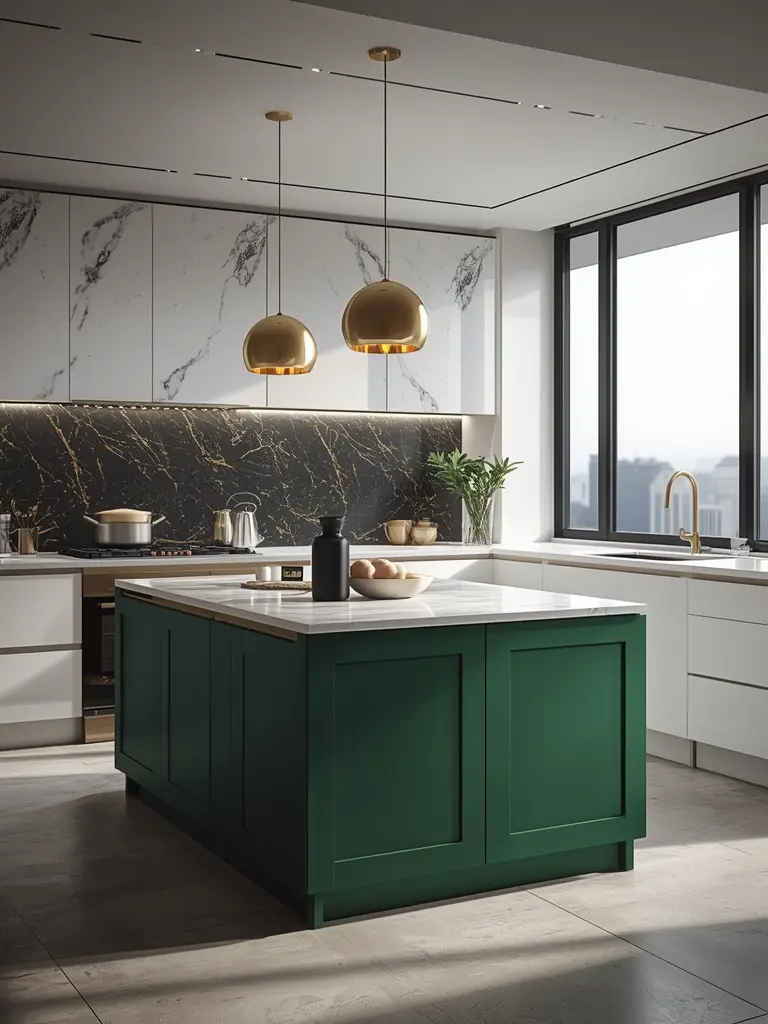

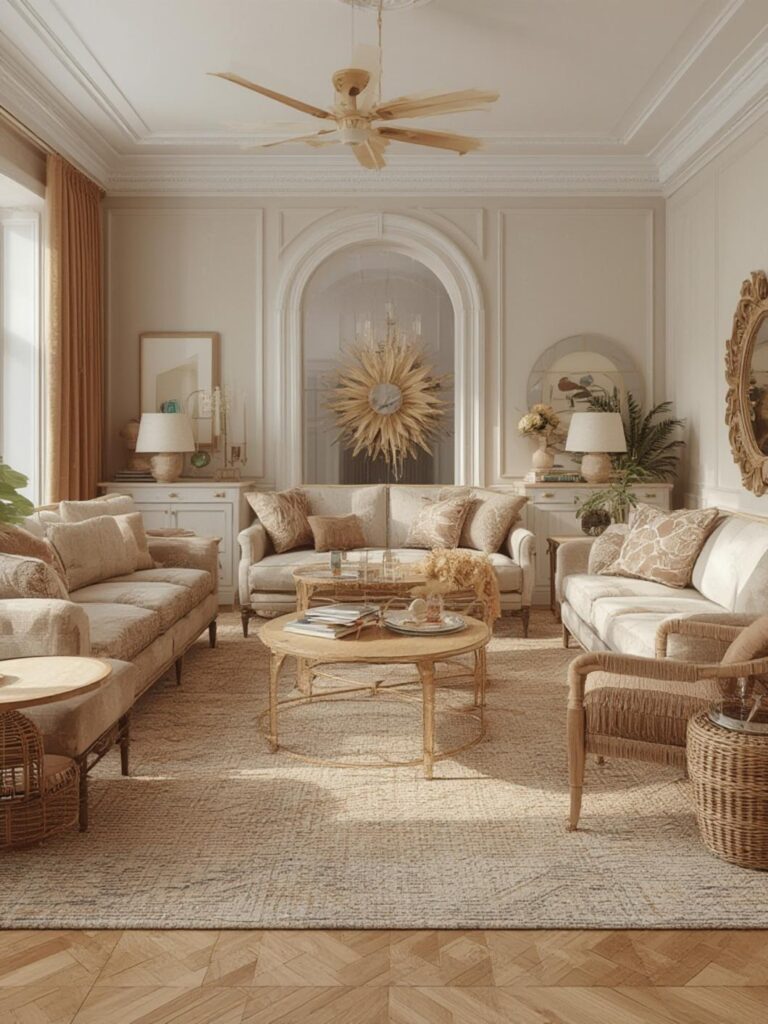
Does your Small Living Room feel more like a narrow passage than a place to relax? You are not alone. Many homeowners struggle to make the most of limited space, but a small footprint does not have to mean limited style. With smart furniture choices, thoughtful layouts, and light-enhancing color palettes, even the most compact Small Living Room can feel open, comfortable, and welcoming. Whether you live in a city apartment or are updating a cozy corner at home, a well-designed Small Living Room can deliver both function and personality no extra square footage required.
Today, we are diving deep into the art of maximizing space without sacrificing personality. From the essential rules of lighting to the transformative power of textures and wall decor, this guide covers everything you need. To kickstart your journey, we recommend exploring specialized resources like these small living room ideas for inspiration. Furthermore, if you are navigating the unique constraints of rental units, you should definitely check out these small living room ideas for apartments. Let’s unlock the potential of your home together.
Materials & Decor Items
To achieve a cohesive and elevated look, you will need to gather specific items that balance functionality with aesthetics. Here is a curated list of materials and decor essentials:
- Multi-Functional Furniture: A sofa with slim arms and exposed legs (to show floor space), nesting coffee tables, or a storage ottoman.
- Area Rug: A 5×7 or 6×9 rug that fits under the front legs of your furniture to anchor the space without overwhelming it.
- Lighting: A mix of ambient (ceiling), task (floor lamps), and accent (table lamps) lighting. Mirrors are non-negotiable for reflecting light.
- Wall Decor: Vertical shelving units, large-scale art pieces, or a gallery wall to draw the eye upward.
- Textiles: Light-colored throws, velvet or linen cushion covers, and sheer curtains to let natural light filter through.
- Paint/Paper: Light neutral tones (off-white, soft gray) or an accent wall with removable wallpaper for depth.
- Accessories: Trays for organization, trailing plants (like Pothos), and decorative bowls.
Affordable Alternatives: Use contact paper to mimic expensive wood textures, thrift vintage side tables, and utilize stackable crates as shelving.
Planning & Styling Timeline
Transforming a room takes time. Below is a realistic timeline based on the scope of your project.
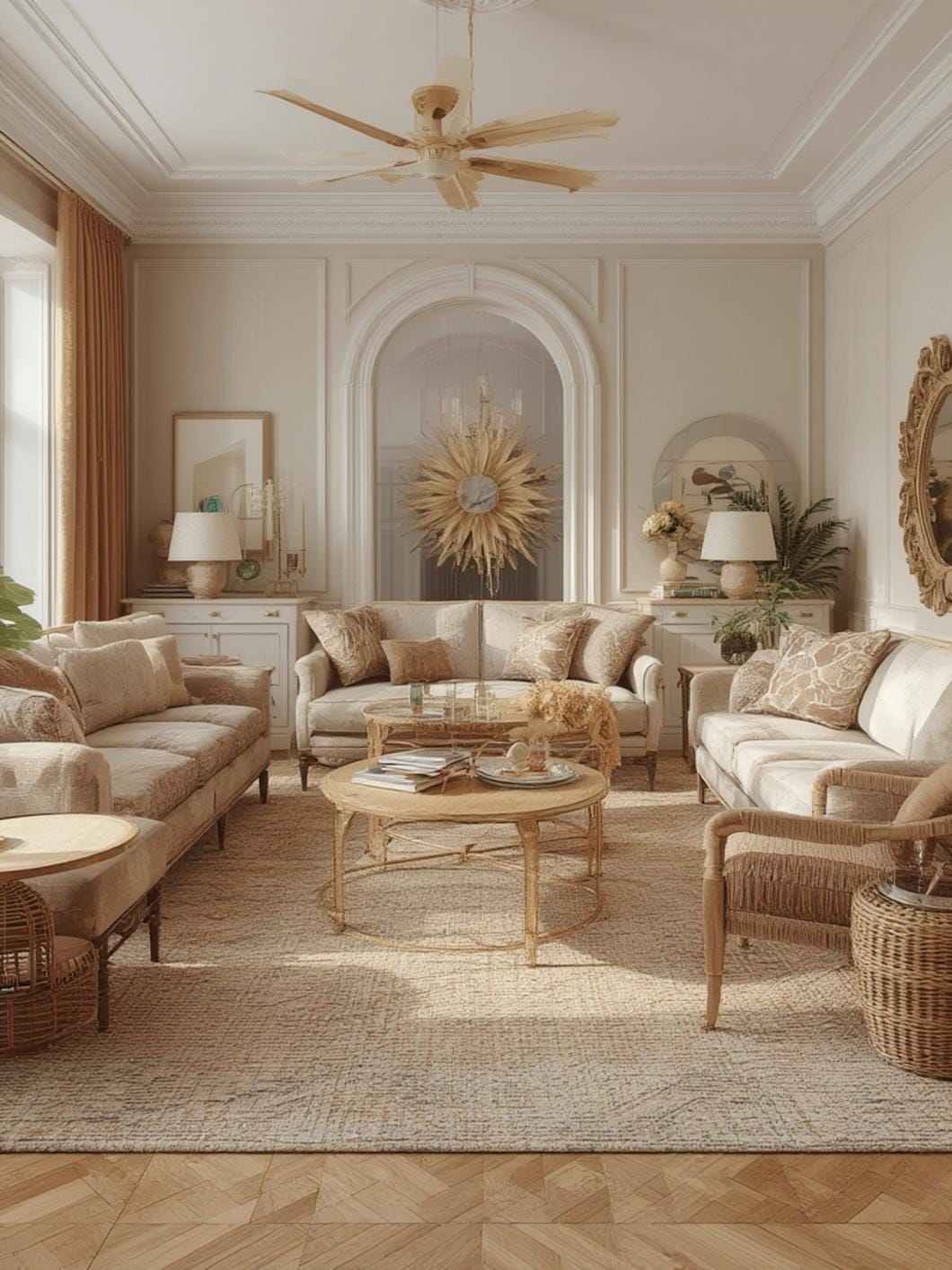
Quick Refresh (1 Weekend):
- Preparation (Friday Evening): decluttering, measuring space, and creating a mood board.
- Shopping (Saturday): Purchasing key textiles (rugs, pillows) and paint.
- Styling (Sunday): Painting, hanging curtains, and arranging furniture.
Full Makeover (2 Weeks):
- Week 1: Deep cleaning, ordering furniture (lead times apply), painting walls and trim.
- Week 2: Furniture assembly, installing wall decor, layering lighting, and final styling touches.
Step-by-Step Instructions
Follow these steps to execute your design plan efficiently. Remember, the goal is to balance interior styling with practicality.
1. The Great Purge: Before bringing anything in, take everything out. Small spaces suffer instantly from clutter. Donate items that don’t serve a function or bring you joy.
2. Map Your Layout: Use painter’s tape on the floor to outline where your sofa and rug will go. The golden rule: Leave 30 inches of walkway between furniture pieces to maintain flow.
3. Establish a Color Palette: Stick to 3-4 colors. Use a dominant neutral for walls, a secondary color for upholstery, and accents for decor. Light colors recede, making walls feel further away.
4. Install “High and Wide”: Hang curtains as close to the ceiling as possible and let them kiss the floor. This vertical trick draws the eye up, making ceilings feel higher.
5. Scale Your Furniture: Avoid bulky recliners. Opt for mid-century modern silhouettes with legs. This allows light to pass underneath, creating an airy feel.
6. Layer Your Lighting: Never rely on a single overhead fixture. Place a floor lamp in a dark corner and a table lamp on a side table to create a warm glow.
7. Accessorize with Intent: Use the “Rule of Three” for vignettes on tables. Group items in odd numbers to create visual interest. Add greenery to bring life to the room design.
For more inspiration on maximizing square footage, look at these small living room ideas. If you are dealing with specific apartment constraints, these small living room ideas for apartments offer excellent workarounds.
Benefits & Advantages
Adopting a strategic approach to your living room design yields significant returns:
- Mental Clarity: An organized, visually balanced space reduces cortisol levels and promotes relaxation.
- Space Optimization: You gain usable floor space, making the room more functional for daily activities.
- Increased Home Value: A well-styled room photographs better and appeals to potential buyers or renters.
- Aesthetic Cohesion: By sticking to a curated plan, the room looks professionally designed rather than accidental.
Tips, Alternative Styles, or Styling Advice
Every home is different. Here are variations to suit your specific needs:
- Minimalist: If you hate clutter, go for a monochromatic scheme with hidden storage. Focus on negative space.
- Modern Boho: Use rattan furniture, macramé wall hangings, and warm terracotta tones. This is great for adding personality to rentals.
- For Dark Apartments: Mirror the wall opposite the window. Use glossy paint finishes and glass furniture to bounce light around.
Common Decorating Mistakes to Avoid
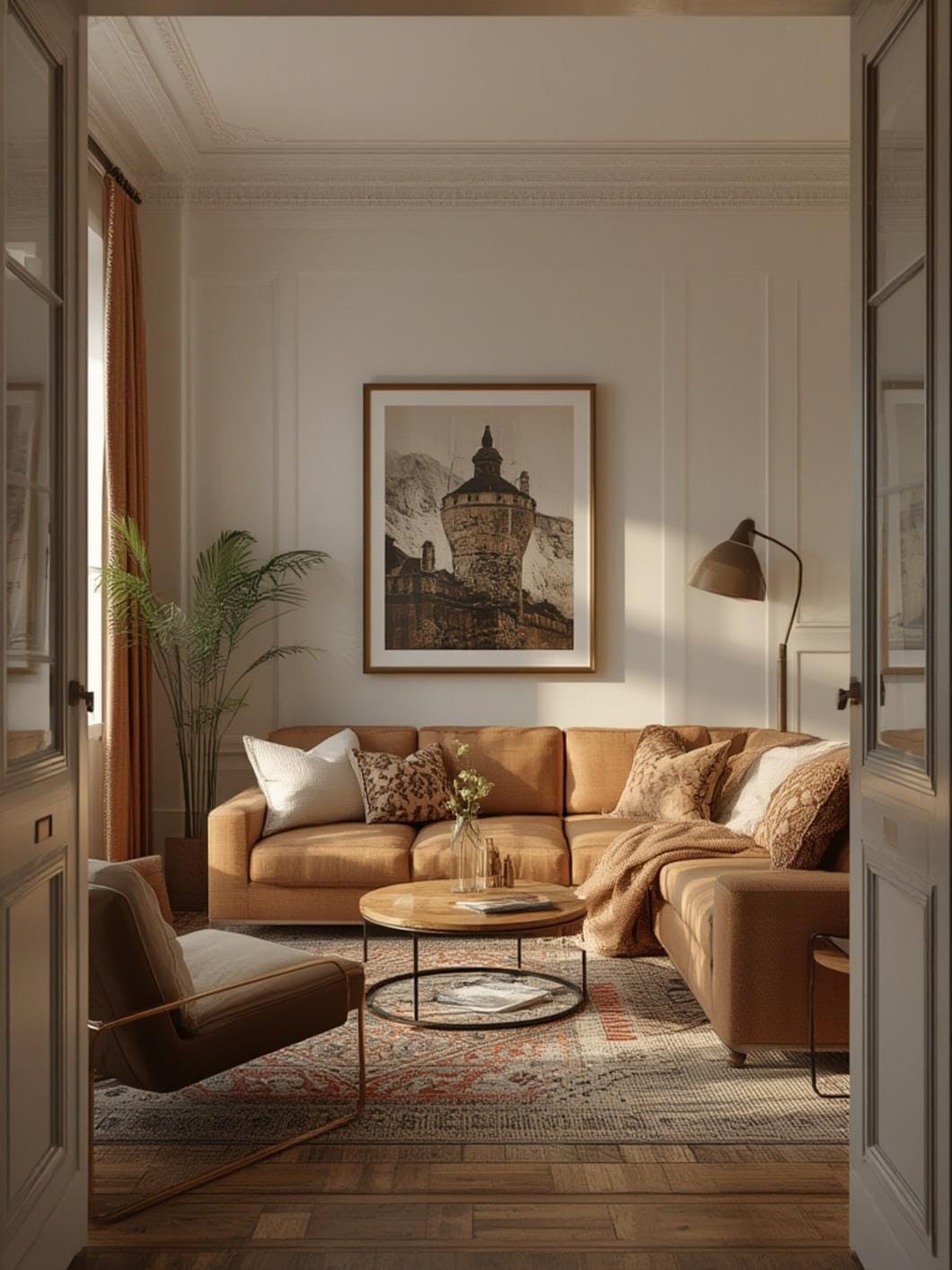
1. Buying Oversized Sectionals: A massive sofa will swallow a small room. Solution: Choose a loveseat or a modular sofa with thin arms.
2. The “Floating” Rug: Placing a small rug in the middle of the floor with no furniture on it chops up the room. Solution: Ensure at least the front legs of your furniture sit on the rug.
3. Ignoring Vertical Space: Focusing only on floor-level storage. Solution: Use tall, narrow bookcases or floating shelves to draw the eye up.
4. Using Only Overhead Lighting: This creates harsh shadows and makes the room feel like a waiting room. Solution: Turn off the big light and use lamps!
Maintenance & Upkeep Tips
A styled room requires maintenance to stay beautiful:
- Weekly Reset: Spend 10 minutes decluttering surfaces and fluffing pillows.
- Fabric Care: Vacuum upholstery monthly to remove dust. Spot clean spills immediately to prevent staining.
- Seasonal Updates: Swap out heavy throws for lighter linen in summer, or change cushion covers to match the season.
- Lighting Check: Dust lampshades regularly to ensure maximum brightness.
Conclusion
Transforming a compact space is less about square footage and more about smart choices in furniture layout and color palettes. By utilizing vertical space, choosing the right scale furniture, and layering your lighting, you can create a home that feels expansive and welcoming. We hope these small living room ideas inspire you to take action this weekend. Remember, the best design is one that works for your lifestyle.
Ready to start? Pick one step from our guide today and watch your space transform. Don’t forget to share your before-and-after photos with us! For those seeking a specific vibe, explore our curated collections of small living room ideas and find your perfect match. If you are looking for rental-friendly hacks, check out these small living room ideas for apartments to get started.
FAQs
Q: How can I make my small living room look bigger on a budget?
A: The most effective budget hack is painting walls a light color and adding a large mirror. Decluttering is free and instantly creates the illusion of space. Thrift furniture with legs rather than heavy bases.
Q: What furniture should I avoid in a small living room?
A: Avoid oversized recliners, dark heavy leather sofas, and bulky bookcases that sit directly on the floor. These items visually weigh down the room.
Q: How do I choose the right rug size?
A: Ideally, the rug should be large enough that the front legs of your sofa and armchairs sit on it. This anchors the “floating” furniture and ties the room together.
Q: Can I use dark colors in a small room?
A: Yes, but use them strategically. A dark accent wall can add depth and drama, making the room feel like a cozy jewel box. Balance it with light floors and ample lighting.
Q: Is it okay to push furniture against the walls?
A: Not always. “Floating” your sofa in the middle of the room (even a few inches away from the wall) can actually make the space feel larger by creating a walkway behind it.