
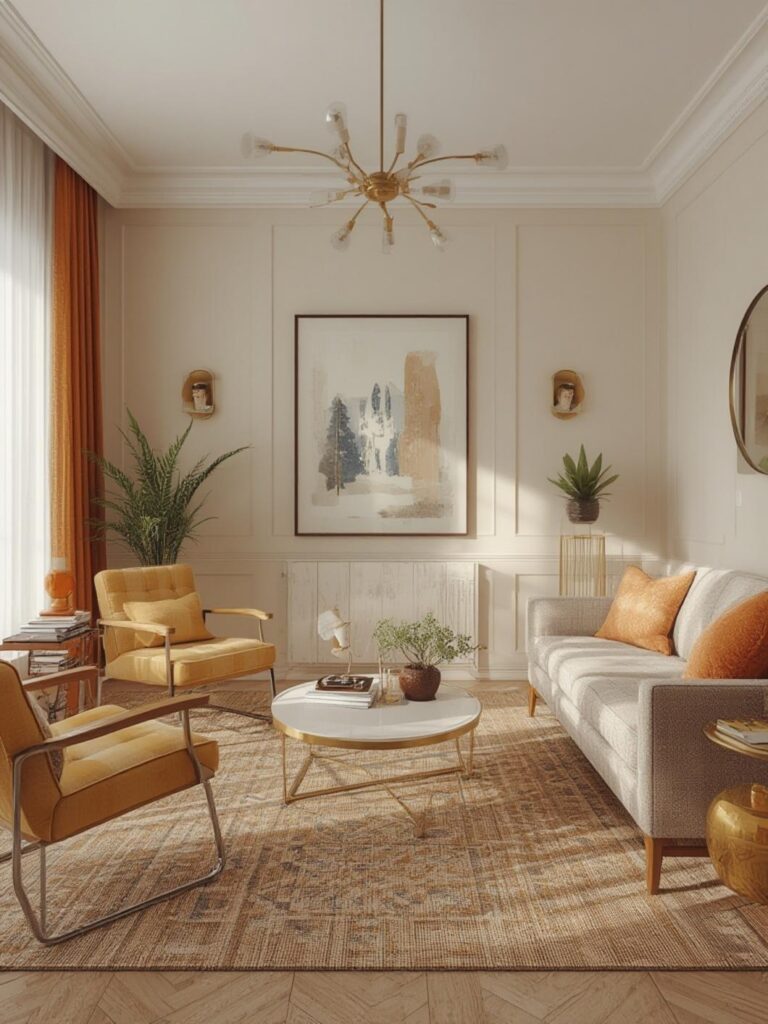
Is your living room a functional sanctuary, or just a space where clutter accumulates? For many, the living room is the heart of the home a place for relaxation, entertainment, and connection. Yet, achieving a look that feels both curated and comfortable often feels daunting. The solution lies in mastering the art of modern living room decor, a style that balances clean lines with personal warmth.
Investing time in your interior styling isn’t just about aesthetics; it improves mental well-being, maximizes functionality, and increases the overall value of your home. Whether you are starting from scratch or revamping an existing space, finding the right modern living room inspiration is the first step toward a transformative room design.
Materials & Decor Items
To achieve this specific aesthetic, you need to curate a selection of items that work in harmony. Here is a breakdown of the essentials:
- Furniture:
* Low-profile Sofa: Look for clean lines, neutral fabrics (linen or cotton blend), and tapered legs.
* Geometric Coffee Table: Glass, metal, or light wood with interesting shapes.
* Accent Chair: A statement piece, perhaps a boucle or leather armchair.
* Media Console: Sleek, floating, or matte black finishes.
- Textiles & Rugs:
* Area Rug: A large jute, wool, or patterned rug to anchor the space.
* Throw Pillows: Mix textures (velvet, knit) but keep color palettes cohesive.
* Curtains: Sheer linen or heavy velvet depending on light needs.
- Lighting:
* Floor Lamp: Arc or tripod style for ambient lighting.
* Table Lamps: Ceramic or metallic bases for task lighting.
- Wall Decor & Accessories:
* Large Mirror: To reflect light and expand the room visually.
* Abstract Art: Large-scale prints or canvas.
* Greenery: Potted plants like Fiddle Leaf Figs or Snake Plants.
* Storage Baskets: Woven baskets for a touch of texture and organization.
Optional/Affordable Alternatives: Use thrift store finds for unique wooden accessories, peel-and-stick wallpaper for an accent wall, or DIY concrete painting on vases for a modern industrial vibe.
Planning & Styling Timeline
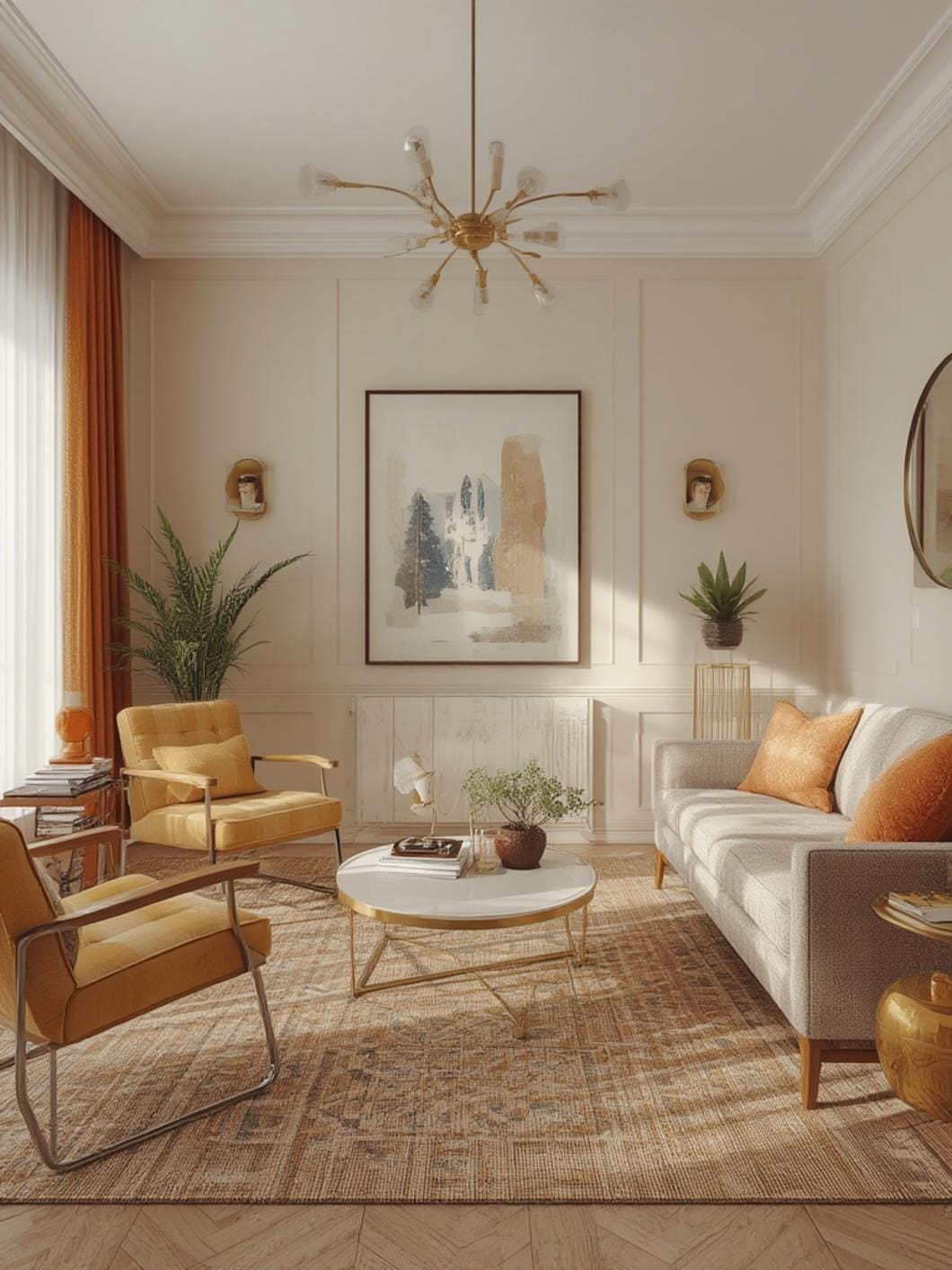
Planning is the backbone of successful furniture layout and styling. Here is a realistic timeline:
1. Preparation & Planning (1–2 Days): Measure your room, sketch a layout, and create a mood board (Pinterest is excellent for this). Decide on your non-negotiables.
2. Shopping (3–7 Days): This varies heavily. Sourcing major furniture pieces can take weeks if ordering online. For a quick refresh, shop local or thrift.
3. Styling Duration (4–6 Hours): Once the big items are in place, the actual styling (placing decor, hanging art, adjusting lighting) takes an afternoon.
Comparison:
- Quick Refresh (Weekend): New paint, rearranging existing furniture, new pillows, and decluttering.
- Full Makeover (2–4 Weeks): Buying new furniture, painting walls/trim, installing lighting fixtures, and extensive accessory sourcing.
Step-by-Step Instructions
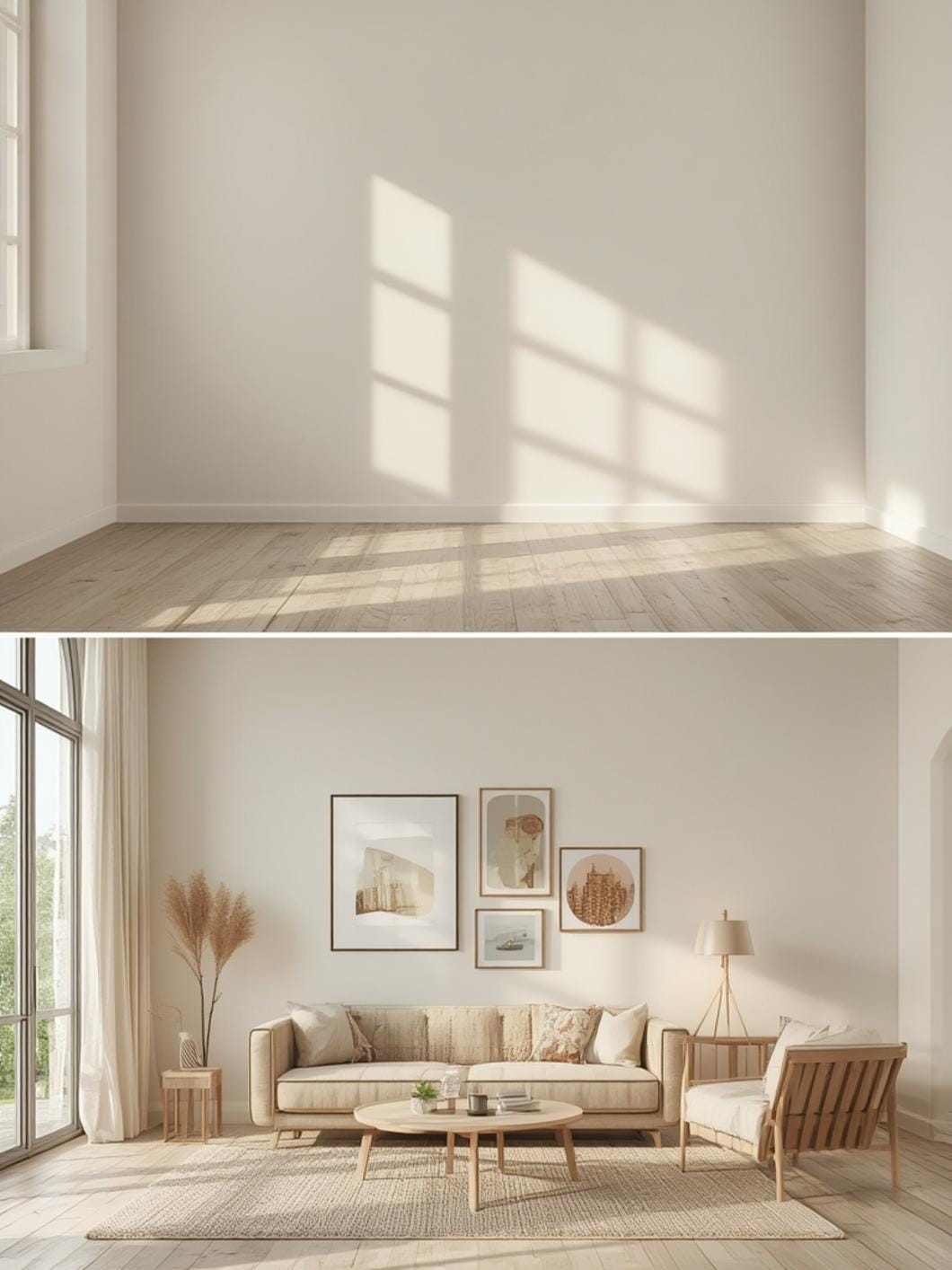
Follow these steps to curate a cohesive look:
1. Clear the Canvas: Remove everything from the room. Deep clean floors and windows. This allows you to visualize the space without bias.
2. Establish the Anchor (Furniture Layout): Place your largest sofa against the longest wall or floating in the center if space allows. Ensure there is a clear traffic path (usually 30-36 inches wide).
3. Ground the Space: Lay down your area rug. A common mistake is a rug that is too small; the front legs of all furniture should sit on the rug.
4. Layer Your Lighting: Modern design relies on layers. Place your floor lamp in a dark corner, table lamps on side tables, and ensure overhead lighting is on a dimmer.
5. Curate the Color Palette: Introduce your main color (walls/large furniture) and secondary color (rug/curtains). Add pops of accent color through small decor items.
6. Style Surfaces: Use the rule of threes on tables. Group objects by height and texture. This is where you bring in those specific textures that define modern styling.
7. Add Vertical Interest: Hang art at eye level (57-60 inches from the floor). Use mirrors to bounce light.
8. Final Greenery: Place plants last. They soften the hard lines often found in modern design.
Benefits & Advantages
Why go through this effort? A well-styled modern living room offers:
- Mood Enhancement: Clutter-free spaces reduce cortisol levels. Clean lines and good lighting promote relaxation.
- Space Optimization: Strategic furniture layout makes even small rooms feel larger and more open.
- Functionality: A room designed with intent allows for better flow and usage, whether for hosting or quiet reading.
- Increased Home Value: Updated, cohesive design is a major selling point for potential buyers.
Tips, Alternative Styles, or Styling Advice
While the modern aesthetic is popular, feel free to adapt it:
- Modern Boho: Incorporate macramé, rattan, and warm terracotta tones to soften the modern edge.
- Scandinavian: Focus on lighter woods, whites, and hygge elements like wool throws.
- For Small Spaces: Use leggy furniture (exposed legs) to show more floor space. Choose nesting tables instead of a large coffee table.
- For Rentals: Use removable wallpaper on one wall for texture. Focus on “soft” decor rugs, curtains, and furniture to change the feel without permanent changes.
Common Decorating Mistakes to Avoid
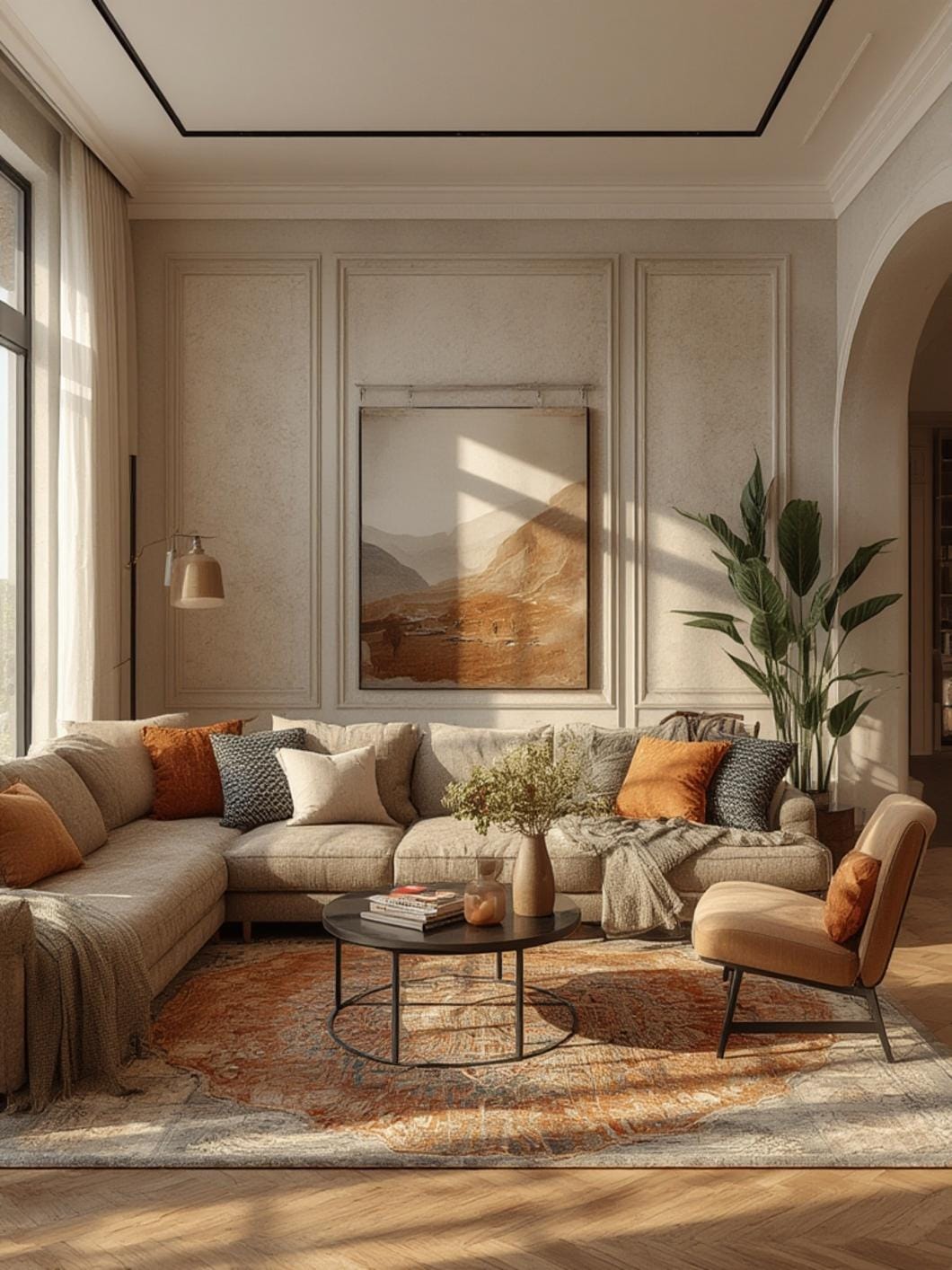
Avoid these pitfalls to ensure a professional finish:
1. Buying a “Matching Set”: Interior styling looks best when items are collected over time. Mix wood tones and metals.
2. Ignoring Scale: A massive sectional in a tiny room kills flow. Always measure your space and tape out the footprint before buying.
3. Poor Lighting: Relying solely on overhead lighting creates harsh shadows. Always mix ambient, task, and accent lighting.
4. The “Floating” Rug: A rug that sits in the middle of the room without touching any furniture looks disconnected. Anchor it!
Maintenance & Upkeep Tips
To keep your space looking fresh:
- The 15-Minute Reset: Spend 15 minutes every evening putting items back in their “homes.”
- Fabric Care: Vacuum upholstery weekly. Use a lint roller on dark fabrics.
- Seasonal Updates: Swap out throw pillow covers or blankets seasonally to update the look without spending much money.
- Plant Care: Dust leaves weekly to keep them photosynthesizing effectively and looking vibrant.
Conclusion
Creating a stunning living room doesn’t require a professional interior designer, just a clear vision and a bit of patience. By focusing on a cohesive color palette, strategic lighting, and intentional furniture layout, you can craft a space that reflects your personality while maximizing comfort.
Whether you lean toward a sleek minimalist vibe or a cozy modern boho look, the principles of good design remain the same. We hope this guide on modern living room decor gives you the confidence to start your project. If you found this helpful, share your before-and-after photos with us or check out our other guides for more modern living room inspiration!
FAQs
1. How can I achieve this look on a tight budget?
Focus on the “soft” elements first: paint, rugs, curtains, and throw pillows. You can modernize existing furniture with new legs or slipcovers. Thrift stores are goldmines for unique decor items that just need a coat of paint.
2. My living room is very small. Will modern decor make it look cold?
Not if you choose the right elements. Opt for a lighter color palette to open up the space. Use mirrors to bounce light and choose furniture with exposed legs to create a sense of airiness. Adding texture (wool rugs, knit throws) prevents the “cold” feeling.
3. What is the difference between modern and contemporary decor?
“Modern” typically refers to a specific design era (mid-century) with rigid rules (clean lines, minimalism). “Contemporary” is fluid and changes with current trends, often borrowing from modern, industrial, and boho styles.
4. How do I choose the right size rug?
In a standard living room, the rug should be large enough that the front legs of your sofa and any accent chairs sit firmly on it. In a small room, a rug that touches the wall (but leaves a 2-3 inch gap) helps the room feel larger.
5. How often should I update my living room decor?
You don’t need a full overhaul often. A “refresh” every 1-2 years (changing accessories, art, or paint) keeps the space feeling current. Major furniture pieces can last 5-10 years if chosen wisely.