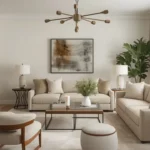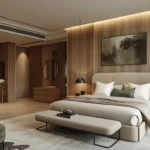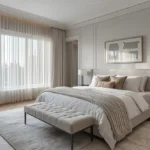

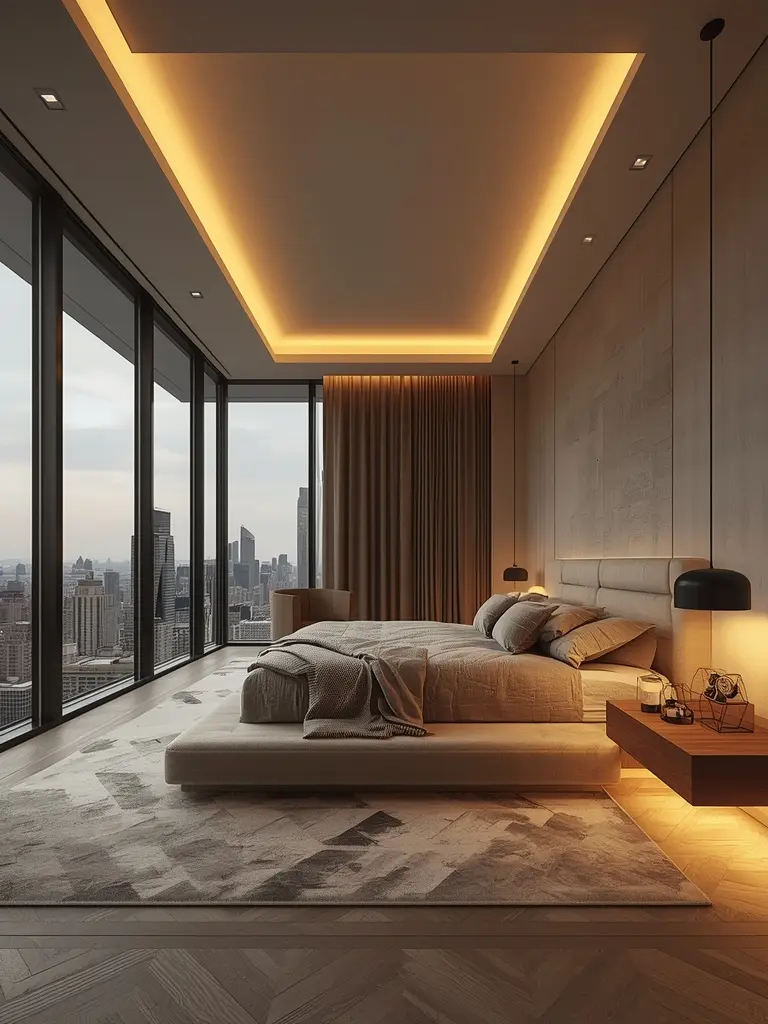
The Modern Bedroom has evolved far beyond mere functionality, transforming into a sanctuary of sophisticated design that balances tranquility with contemporary aesthetics. Today’s sleep spaces are reimagined as multi-sensory retreats where innovative materials, intelligent lighting, and thoughtful spatial planning converge to create environments that nurture both rest and rejuvenation.
As we explore the latest design trends shaping modern bedroom ideas, discover how forward-thinking approaches are redefining luxury living spaces with an emphasis on comfort, sustainability, and technological integration. These twelve cutting-edge concepts represent the pinnacle of contemporary bedroom design, offering inspiration for creating spaces that feel both timeless and distinctly modern.
Biophilic Bedrooms: Bringing Nature Indoors
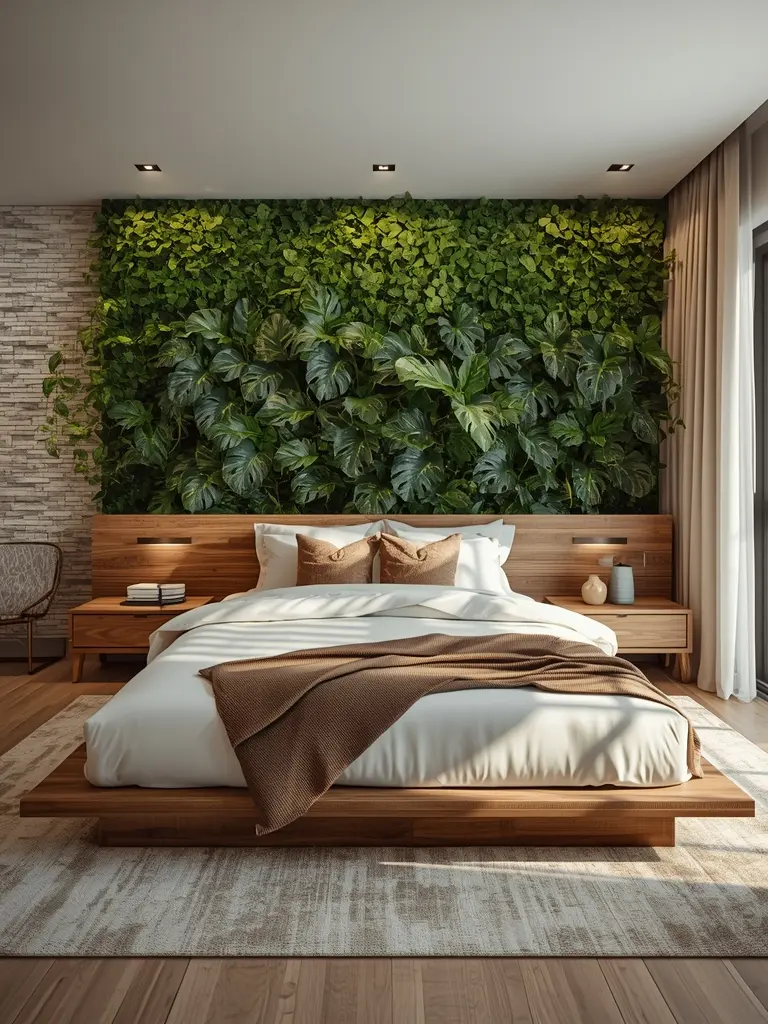
The biophilic movement has fundamentally transformed modern bedroom design, creating spaces that foster deep connections with the natural world. This trend emphasizes the integration of living plants, natural materials, and organic forms to reduce stress and improve sleep quality. Bedrooms now feature living green walls that purify the air while adding dramatic visual interest, complemented by strategically placed potted plants that bring life to every corner.
The use of natural materials such as reclaimed wood, stone, and bamboo creates textures that echo outdoor environments, while earth-toned color palettes ranging from warm terracottas to soft greens establish a sense of calm and tranquility. These natural elements work in harmony with the architecture, creating bedrooms that feel like peaceful extensions of the landscape beyond the windows.
Minimalist Sanctuary: The Art of Less
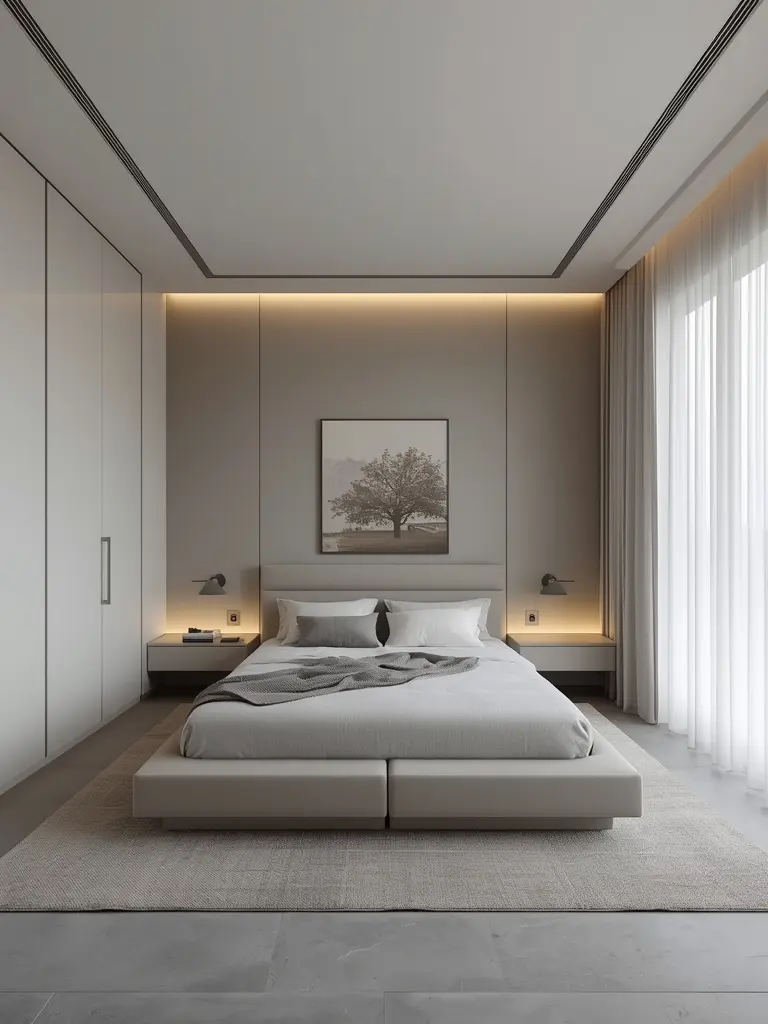
Minimalism continues to reign supreme in modern bedroom design, evolving beyond simple austerity to embrace the art of intentional living. Today’s minimalist bedrooms focus on creating serene, uncluttered spaces that promote mental clarity and peaceful rest. This design philosophy emphasizes clean architectural lines, hidden storage solutions, and a restrained color palette where every element serves a purpose. Platform beds often merge seamlessly with built-in storage systems, creating floating furniture that maximizes floor space.
The absence of unnecessary decoration allows the quality of materials to take center stage, from textured concrete floors to polished concrete walls. Strategic lighting design becomes essential, with hidden LED strips and recessed fixtures creating ambient illumination that enhances the room’s spaciousness without disrupting its tranquil atmosphere.
Smart Bedroom Technology: Intelligent Living
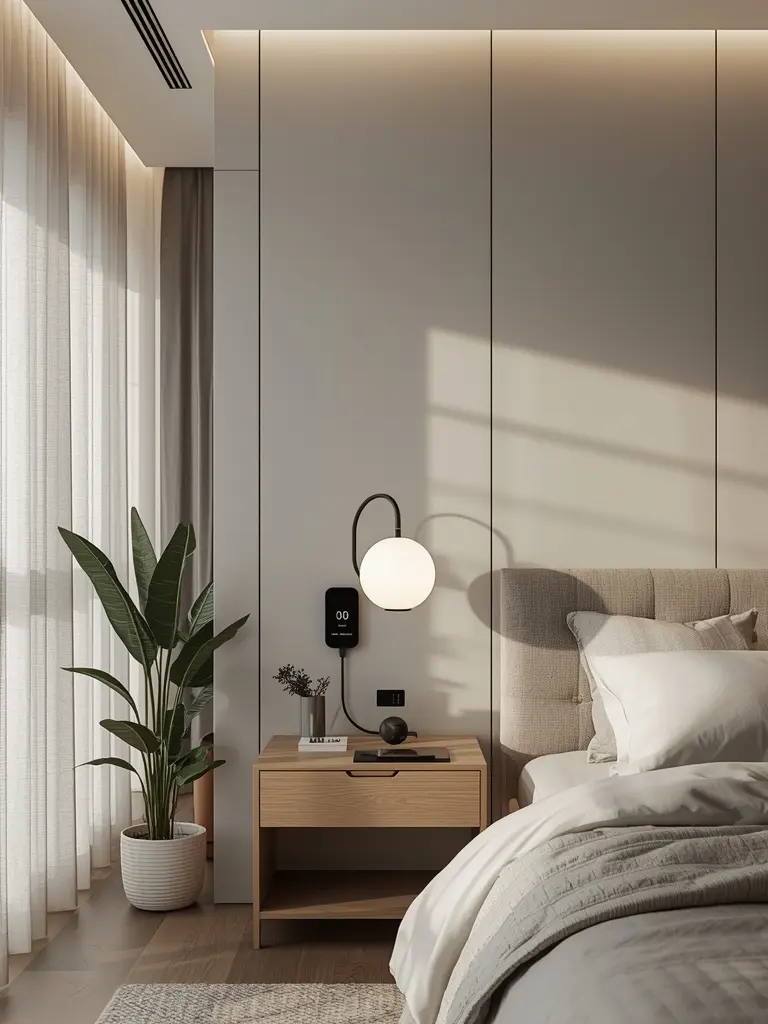
Technology has seamlessly integrated into modern bedroom design, creating spaces that are both sophisticated and intelligent. The smart bedroom focuses on enhancing comfort and convenience through thoughtful technological integration without compromising aesthetic appeal. Wireless charging stations are elegantly built into nightstands and headboards, eliminating the need for visible cords and clutter.
Motorized window treatments allow for precise control of natural light, while programmable LED lighting systems can simulate sunrise and sunset rhythms to support natural sleep patterns. These technological elements are carefully concealed within the architecture and furnishings, maintaining the room’s clean, uncluttered appearance. The result is a bedroom that responds intuitively to the occupant’s needs, creating an environment where technology serves as an invisible partner in achieving optimal rest and relaxation.
Textural Luxury: Layering Sensory Experiences
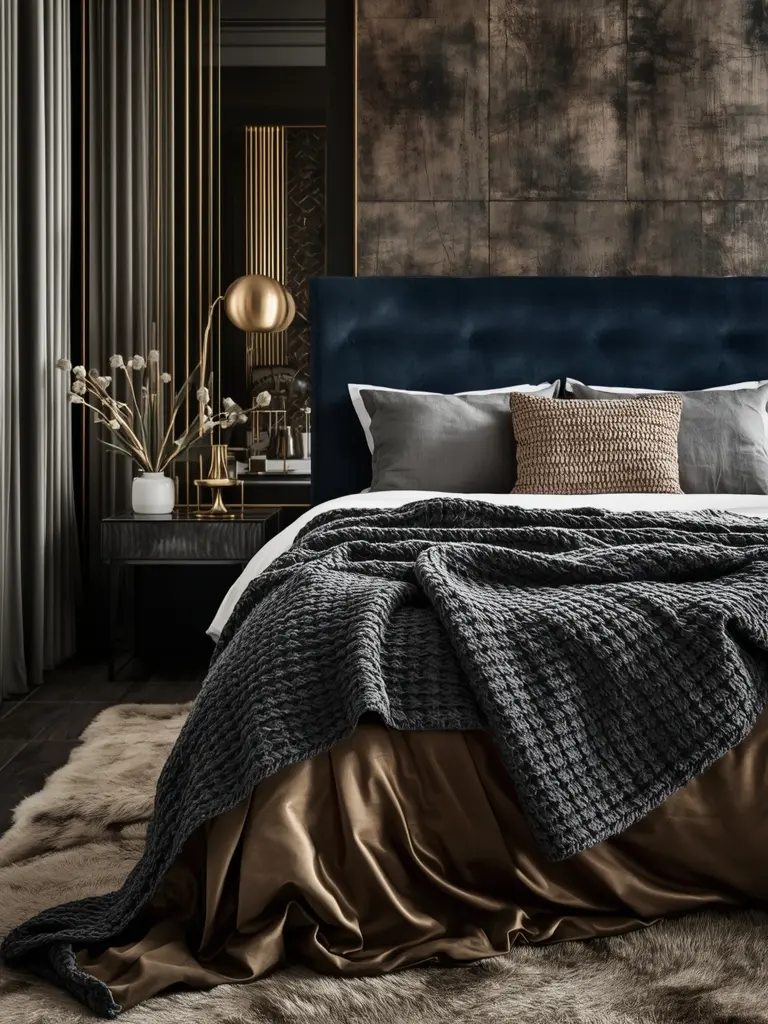
Modern bedroom design has embraced the power of texture to create spaces that engage multiple senses simultaneously. This trend focuses on layering different materials to create rich, tactile experiences that elevate the room from visually appealing to emotionally resonant. Velvet headboards provide sumptuous softness against the wall, while chunky knit throws add casual warmth to the bed. Silk pillowcases offer luxurious smoothness against the skin, complemented by faux fur rugs that create soft, inviting underfoot surfaces.
These textural elements are carefully balanced with architectural materials like polished concrete or warm wood paneling, creating a harmonious interplay between soft and hard surfaces. The thoughtful layering of textures not only adds visual depth but also creates a multisensory environment that encourages deep relaxation and comfort.
Monochromatic Mastery: Sophisticated Simplicity
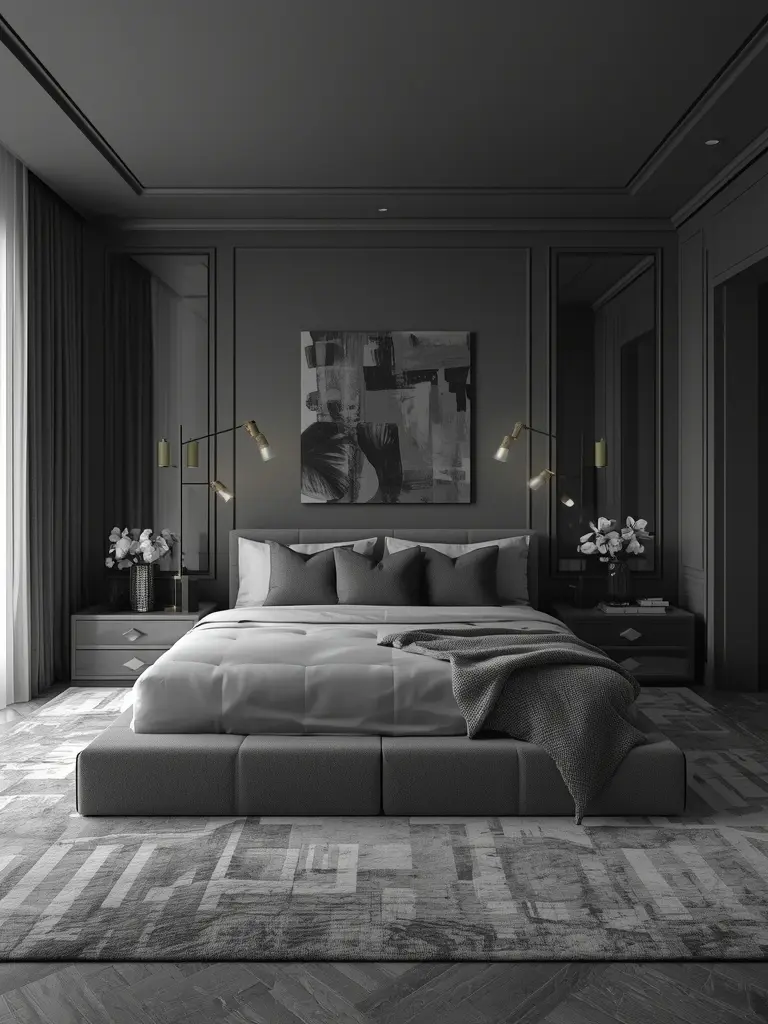
The monochromatic approach has found new expression in modern bedroom design, moving beyond simple black and white to explore sophisticated palettes built around a single hue in its many variations. This design strategy creates spaces that feel both expansive and intimately cohesive, with different tones and textures working together to add visual interest without disrupting the room’s calm atmosphere.
Bedrooms feature walls in deeper charcoal tones that ground the space, while lighter grays in bedding and accessories create a sense of airiness. Metallic accents in silver or chrome add subtle reflective qualities, while geometric rugs and textured fabrics provide the necessary tactile variation. The result is a bedroom that feels both contemporary and timeless, offering a sophisticated backdrop for rest and relaxation that never feels sterile or impersonal.
Curved Elements: Softening Modern Spaces
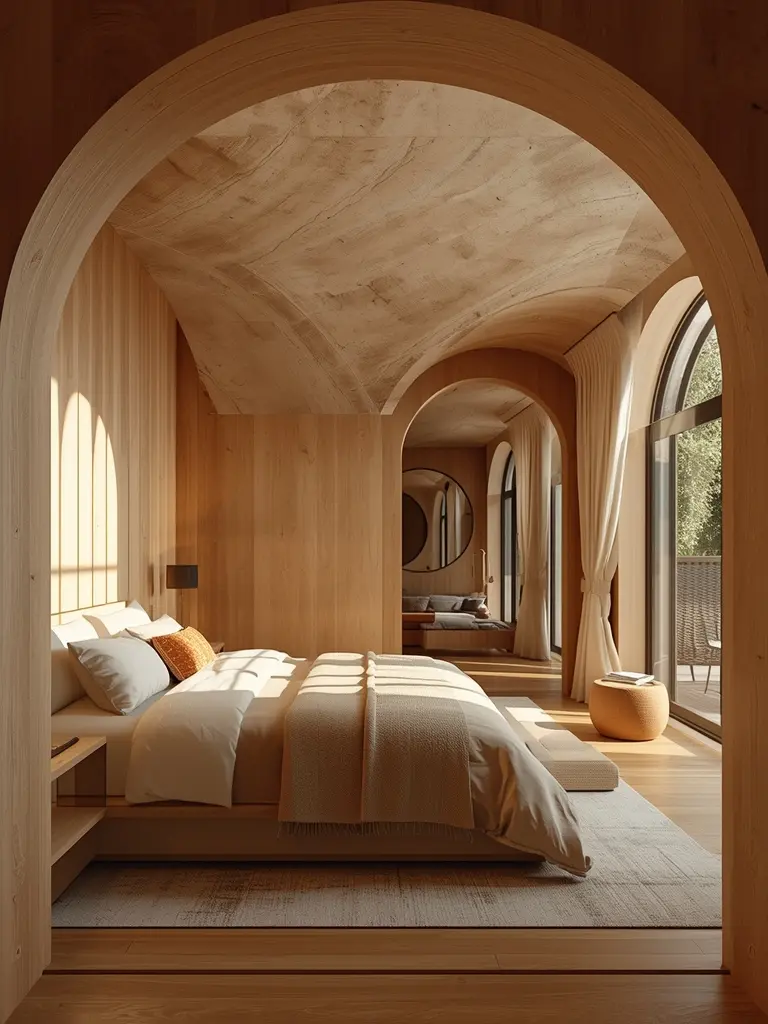
As modern design continues to evolve, the incorporation of curved elements has emerged as a powerful trend in bedroom design. These organic shapes soften the often rigid geometry of contemporary spaces, creating environments that feel more welcoming and nurturing. Rounded headboards with generous padding create intimate cocoons for sleep, while arched doorways and windows add architectural interest without sacrificing structural integrity.
Circular mirrors and floating nightstands with curved edges provide functional elements that break up the room’s linear composition. These soft, organic forms work in harmony with the more structured elements of the space, creating a balanced environment that feels both modern and comforting. The result is a bedroom that embraces the human tendency toward curved forms in nature, creating spaces that feel intuitively right and deeply relaxing.
Dark Academia: Moody Sophistication
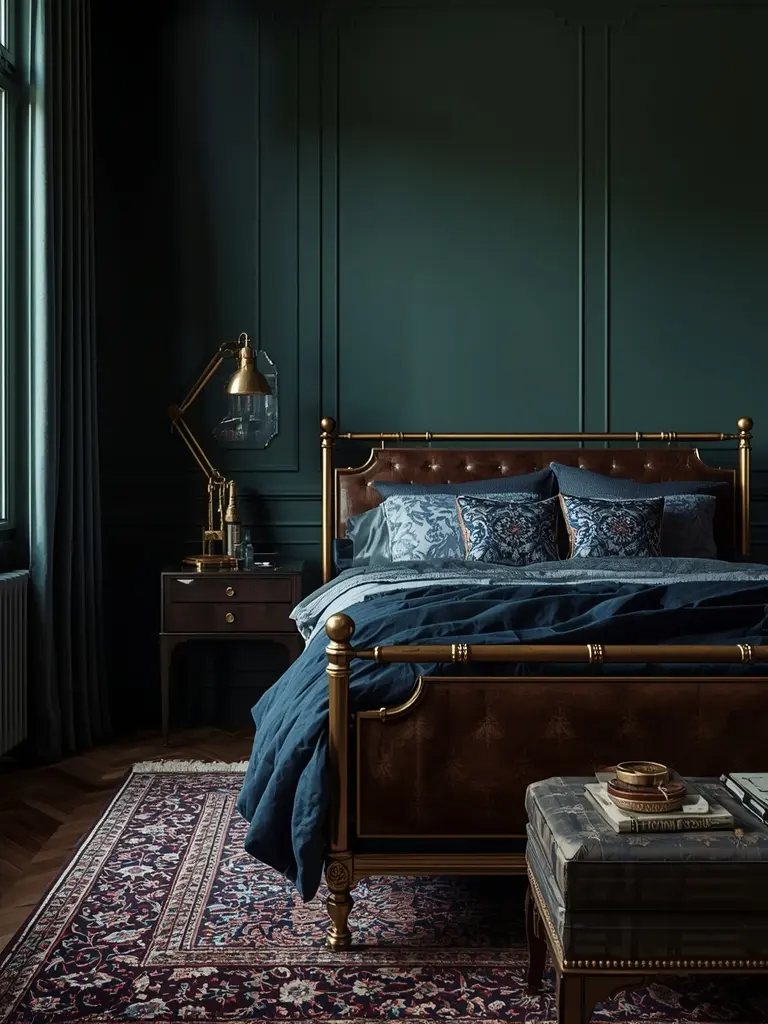
The dark academia aesthetic has found compelling expression in modern bedroom design, creating spaces that exude intellectual sophistication and cozy intimacy. This trend embraces rich, moody color palettes featuring deep greens, blues, and charcoals that create enveloping environments perfect for contemplation and rest. Brass bed frames with intricate detailing serve as architectural focal points, complemented by leather-bound books displayed on floating shelves that suggest a life of learning and refinement.
Persian rugs add rich texture and historical context, while vintage-style desk lamps provide warm, focused illumination. These elements combine to create bedrooms that feel like private studies or libraries, spaces that encourage both intellectual engagement and restful slumber. The dark academia bedroom represents a sophisticated departure from minimalist trends, offering spaces that embrace history, literature, and the pleasures of deep, restful sleep.
Maximalist Expression: Bold Statements
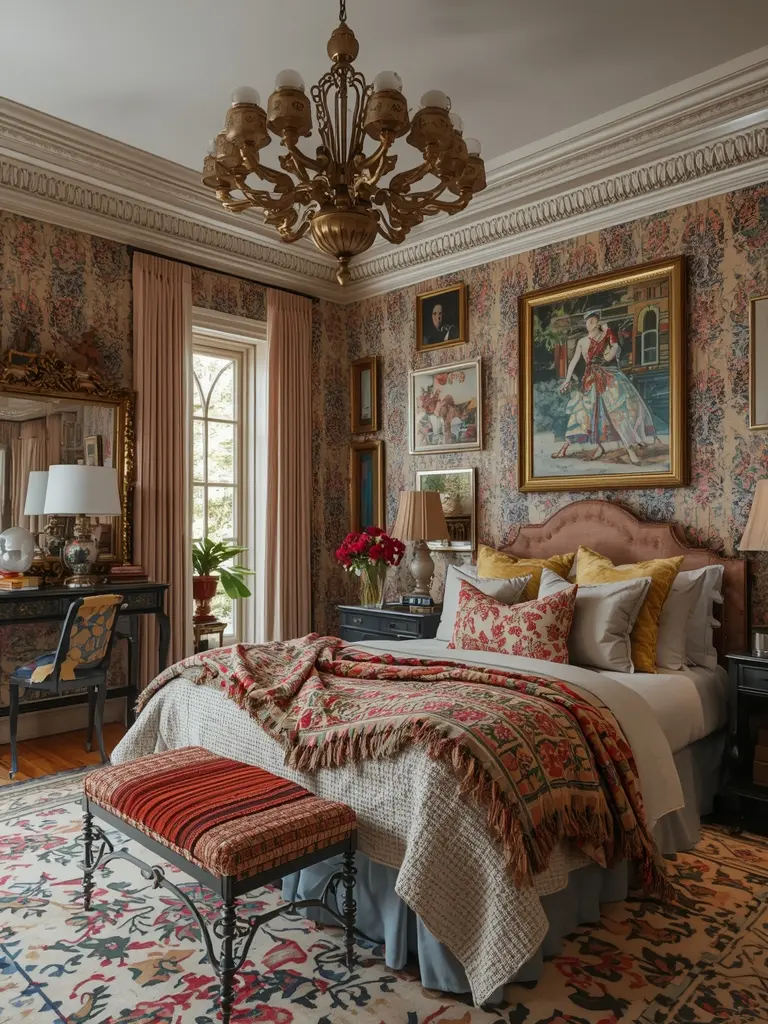
In response to minimalism’s dominance, maximalism has emerged as a powerful trend in modern bedroom design, creating spaces that celebrate personal expression and visual abundance. This approach embraces layering, mixing patterns, and incorporating diverse textures to create environments that feel richly individual and deeply personal. Bedrooms feature bold patterned wallpapers that serve as dramatic backdrops for curated collections of art and objects.
Textiles are layered generously, from luxurious duvets to embroidered pillows and throws, creating tactile environments that invite exploration. Metallic accents in gold, brass, and chrome add reflective sparkle, while carefully chosen lighting fixtures create dramatic focal points. The key to successful maximalism lies in thoughtful curation, where every element has purpose and meaning, creating bedrooms that feel like personal galleries celebrating the owner’s unique tastes and passions.
Sustainable Sanctuaries: Eco-Conscious Design
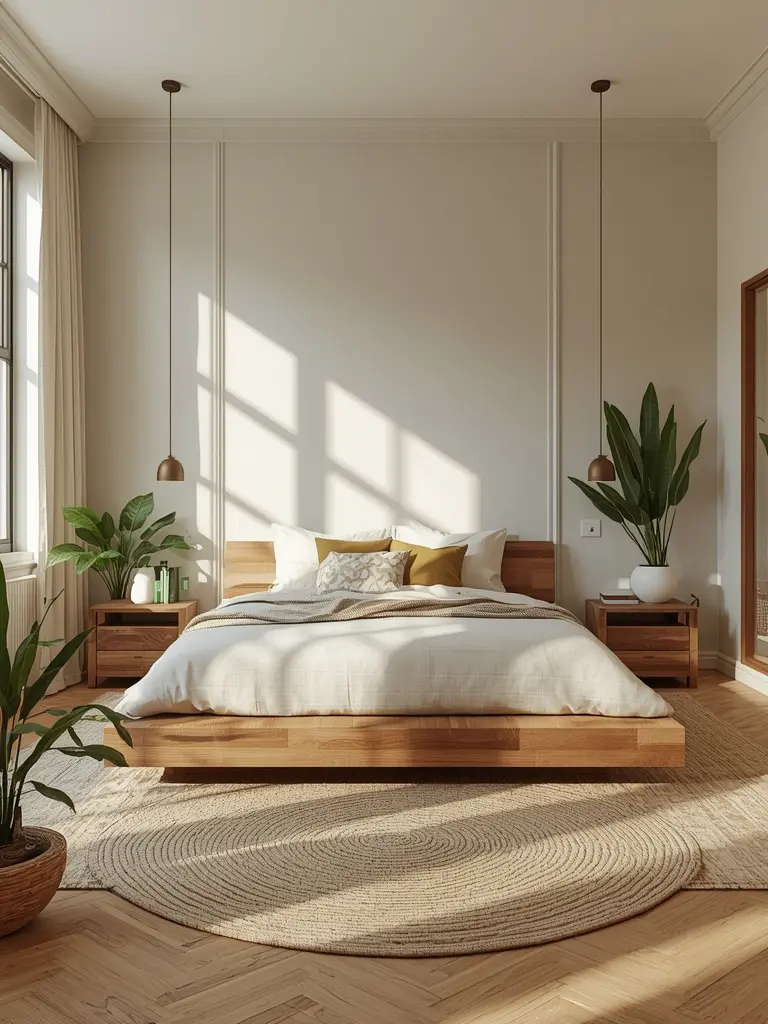
Sustainability has become a cornerstone of modern bedroom design, creating spaces that are both beautiful and environmentally responsible. This trend focuses on the use of natural, renewable materials and eco-conscious practices that minimize environmental impact while maximizing comfort and health. Bedrooms feature reclaimed wood platform beds that tell stories of previous lives, complemented by organic linens and natural fiber textiles that are free from harmful chemicals.
Low-VOC paint finishes ensure clean indoor air quality, while strategically placed plants not only add beauty but also naturally purify the air. Energy-efficient LED lighting systems reduce consumption without compromising ambiance. These sustainable choices extend beyond aesthetics to encompass the entire lifecycle of materials, creating bedrooms that contribute to a healthier planet while providing serene, restful environments for their occupants.
Industrial Chic: Raw Materials Refined
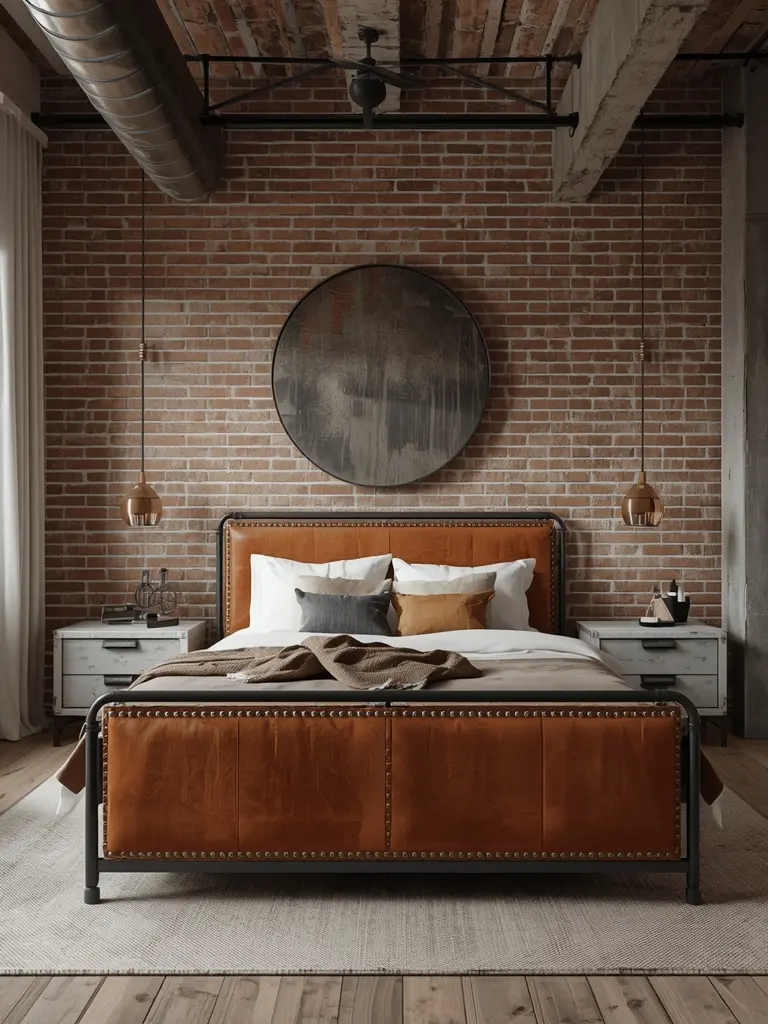
The industrial aesthetic continues to captivate with its celebration of raw, unfinished materials transformed into sophisticated living spaces. Modern industrial bedrooms balance the ruggedness of exposed materials with refined details that create environments that feel both authentic and luxurious. Exposed brick walls provide textural warmth, complemented by steel bed frames with leather detailing that adds softness and comfort.
Concrete nightstands and architectural elements showcase the beauty of materials in their natural state, while vintage-inspired lighting fixtures add industrial character. Distressed wood accents soften the harder elements, creating a harmonious balance between rough and refined. This approach celebrates the patina that comes with time, creating bedrooms that feel grounded in authenticity while maintaining the sophisticated elegance expected in contemporary design.
Cultural Fusion: Global Inspirations
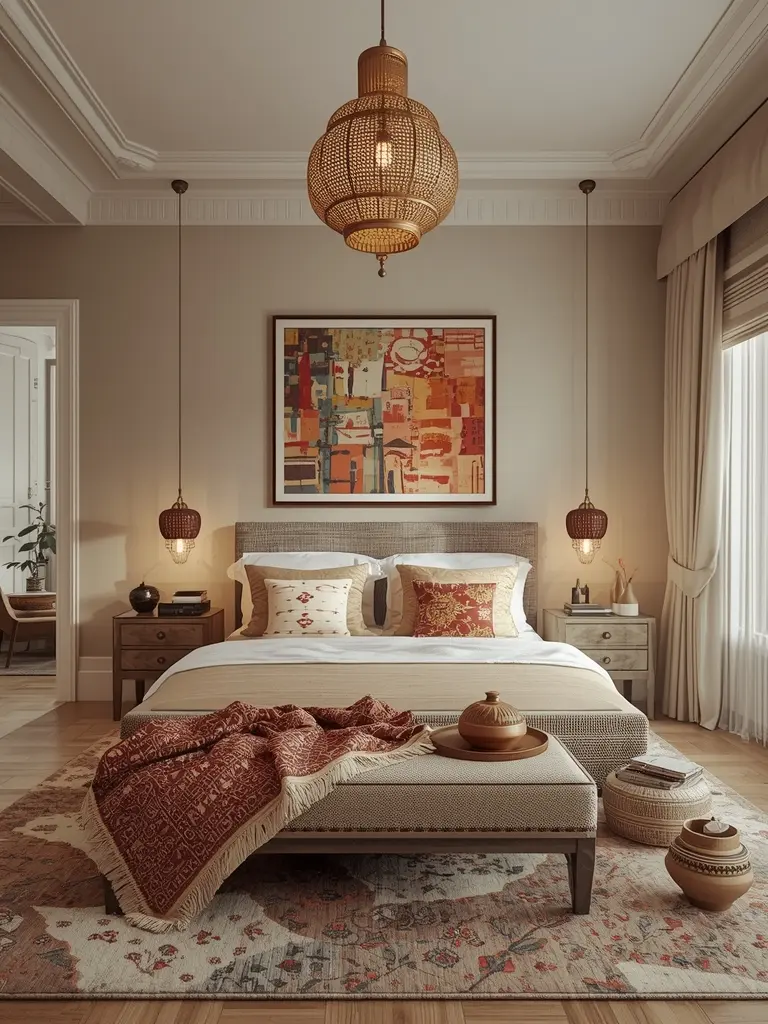
Modern bedroom design increasingly embraces cultural fusion, creating spaces that draw inspiration from diverse global traditions while maintaining cohesive, sophisticated aesthetics. This trend celebrates the beauty of cross-cultural influences, thoughtfully blending elements from different design philosophies to create unique, personalized environments. Bedrooms might feature Moroccan-inspired pendant lights that cast intricate patterns on the ceiling, complemented by Japanese shoji screens that provide both privacy and architectural interest.
Indian block-printed textiles add vibrant color and pattern, while Scandinavian-inspired furniture pieces ensure clean lines and functionality. The key to successful cultural fusion lies in careful curation and restraint, allowing each element space to breathe while contributing to a unified whole. These globally-inspired bedrooms create spaces that feel worldly yet intimate, offering environments that celebrate the rich tapestry of human design traditions.
Multi-Functional Retreats: Adaptable Spaces
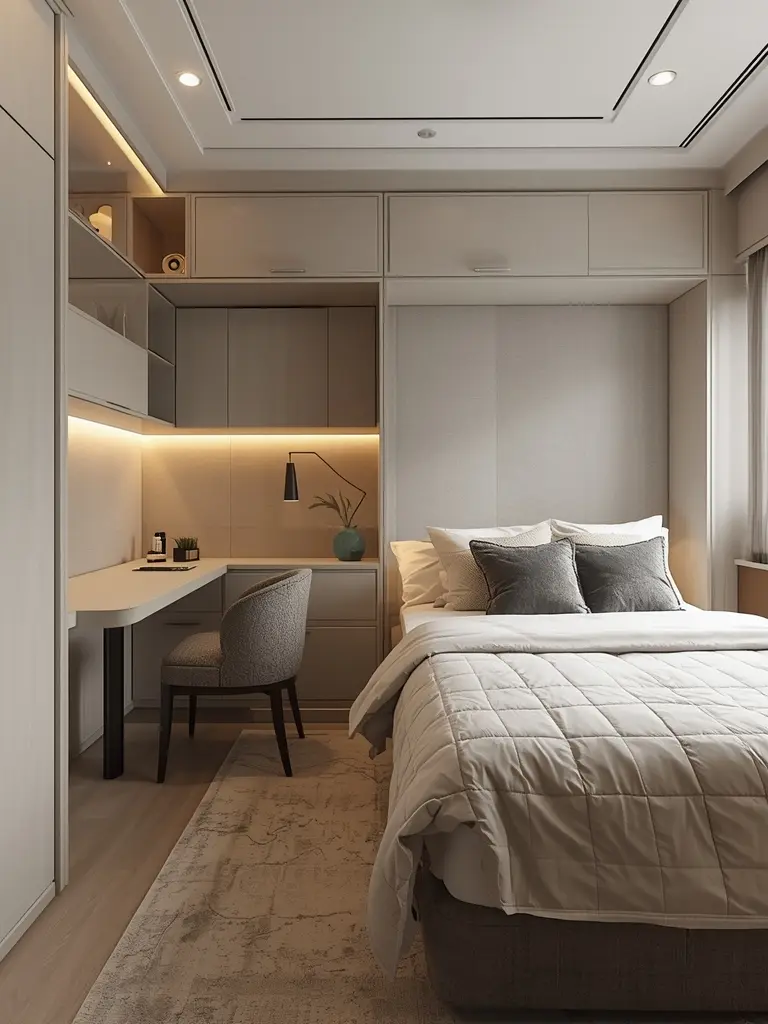
As urban living spaces continue to shrink, multi-functional bedrooms have emerged as essential design solutions that maximize utility without compromising style. These modern retreats adapt seamlessly to different needs throughout the day, transforming from peaceful sleep environments to productive workspaces or cozy reading nooks. Murphy beds that fold neatly into built-in desk systems create daytime functionality without sacrificing bedroom comfort.
Integrated storage solutions ensure that every inch serves multiple purposes, from ottomans that open to reveal hidden compartments to headboards with concealed shelving. Compact seating areas with fold-down tables provide versatile spaces for relaxation or work, while architectural elements maintain the room’s cohesive aesthetic. These adaptable bedrooms demonstrate that modern design can be both beautiful and practical, creating environments that evolve alongside the changing needs of their occupants.
Conclusion
The evolution of modern bedroom design reflects our growing understanding of how spaces directly impact our well-being, productivity, and quality of life. These twelve trends demonstrate that contemporary bedrooms have transcended their traditional role, becoming sophisticated environments that nurture both body and mind through thoughtful design, sustainable practices, and technological integration.
Whether embracing the tranquility of biophilic elements, the simplicity of minimalism, or the bold expression of maximalism, modern bedrooms offer endless possibilities for creating personalized sanctuaries that reflect individual tastes while supporting restful living. As we continue to reimagine these essential spaces, the future of bedroom design promises even greater innovation in sustainability, wellness, and the seamless integration of technology into our most intimate environments.