
Affordable living room ideas can completely change the way your space looks and feels without the stress of costly renovations. Have you ever looked around your living room and imagined a fresh new style, only to abandon the idea because of budget concerns? You are not alone. As the heart of the home, the living room is where relaxation, conversation, and everyday memories come together. Yet it often remains overlooked when it comes to design updates, simply because many people assume great style requires a big investment.
The reality is far more encouraging. You do not need a large budget to create a refined, inviting space. With thoughtful choices, balanced color palettes, and attention to small details, a high-end look is well within reach. Smart design is less about how much you spend and more about how you use what you have.
Whether your goal is to design a warm reading corner or an energetic setting for hosting friends, success comes from planning with intention. Simple changes like rearranging furniture, mixing textures, and layering lighting can instantly refresh your room. This guide focuses on affordable living room décor that blends style and practicality, helping you make confident choices that elevate your home. If you are ready to transform your space without overspending, these affordable living room ideas will set you on the right path.
Materials & Decor Items
To achieve a cohesive and stylish living room makeover, you will need to gather specific materials and decor items. The goal is to balance aesthetics with functionality while keeping costs low.
-
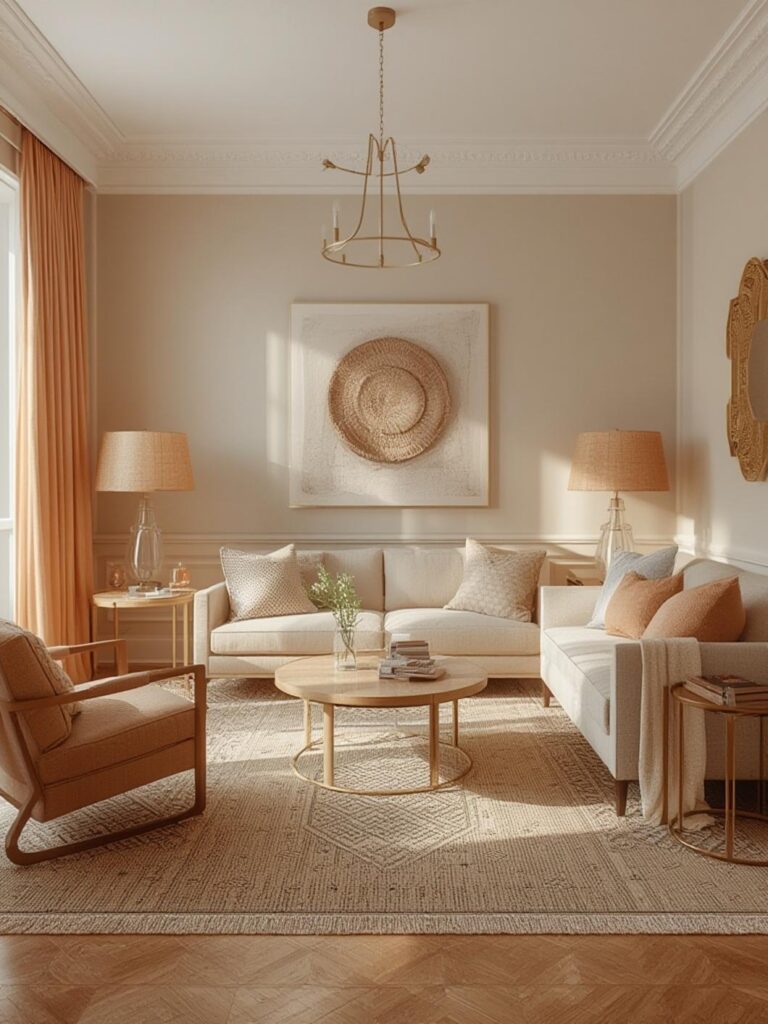
Paint and Wall Treatments: A gallon of neutral paint (beige, greige, or soft white) is essential for making the room feel larger and brighter. Consider an accent wall with peel-and-stick wallpaper for a high-impact, low-cost update.
-
Furniture: Look for a foundational piece like a clean-lined sofa. If a new one isn’t in the budget, a slipcover can work wonders. Add a coffee table; round tables often improve flow in tight spaces. Look for second-hand wooden tables that can be sanded and painted.
-
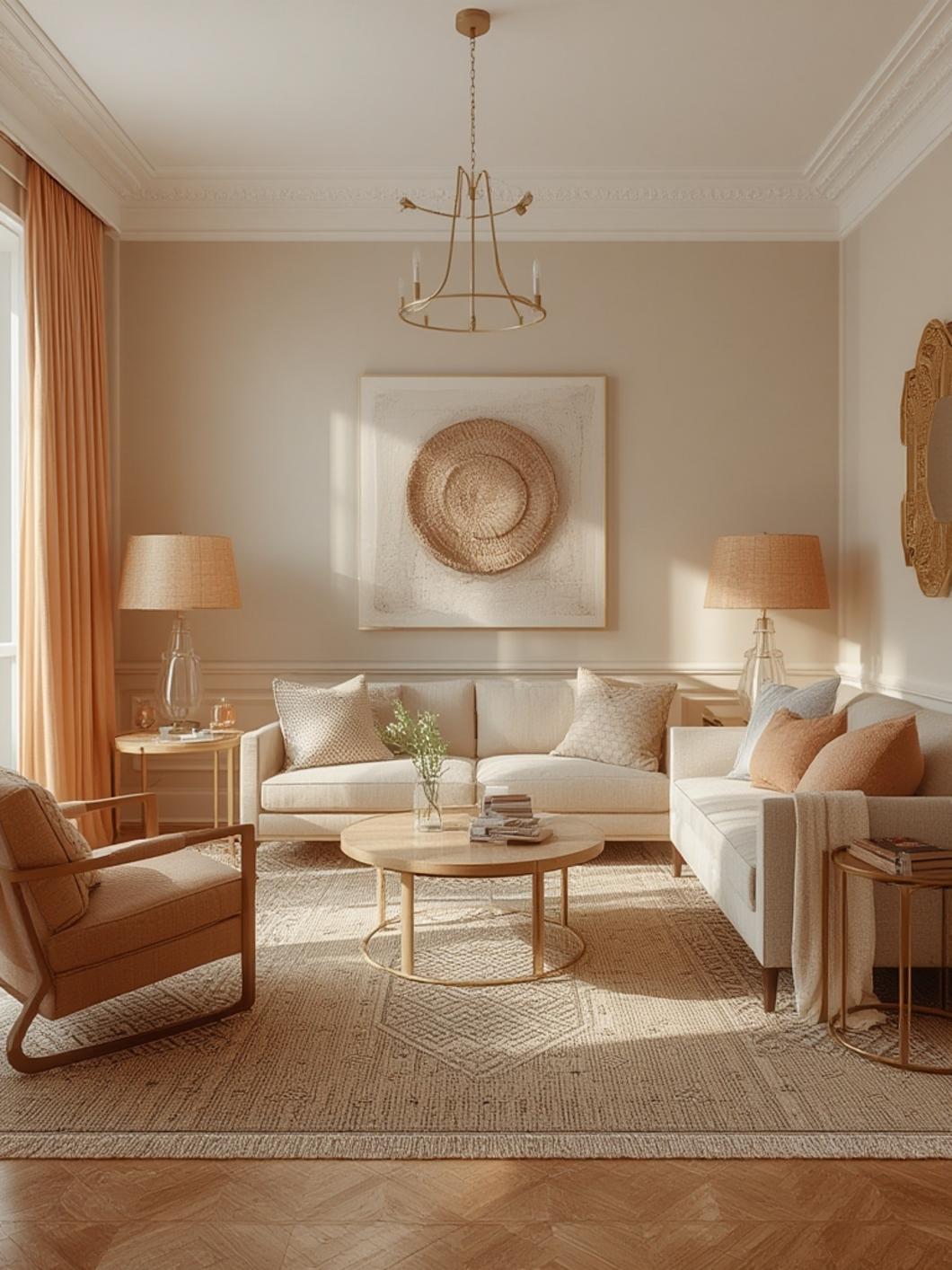
Textiles: This is where you add warmth. Invest in throw pillows in varying sizes and textures (velvet, linen, chunky knit). A medium-pile area rug helps define the seating area. Curtains should be hung high and wide to maximize natural light.
-
Lighting: Avoid relying on a single overhead light. You will need a floor lamp for ambient lighting and table lamps for task lighting. Smart bulbs allow you to change color temperatures from cool to warm.
-
Wall Decor: Large canvas art or a gallery wall of thrifted frames adds personality. Mirrors are crucial for bouncing light and making the room feel airy.
-
Accessories: Decorative trays for the coffee table, ceramic vases, and greenery (real or high-quality faux plants) add layers of life.
- Tools: Paint roller, tape, drill, stud finder, and level.
Planning & Styling Timeline
Transforming your space takes time. Rushing the process often leads to mistakes. Here is a realistic timeline breakdown:
-
Preparation & Planning (1-2 Days): This is the most critical step. Measure your room accurately and sketch a furniture layout. Browse Pinterest or decor sites for inspiration. Create a mood board to solidify your color palette. Decluttering the space is part of this phase—don’t skip it.
-
Shopping (2-3 Days to 1 Week): Do not buy everything at once. Hunt for deals. Visit thrift stores, flea markets, and discount home goods stores. Waiting for sales on key items like rugs or lamps can save you significant money.
-
Styling Duration (1 Weekend): The actual execution. Paint the walls (Friday night/Saturday morning). Assemble furniture and hang art (Saturday afternoon). Place accessories and style surfaces (Sunday).
- Quick Refresh vs. Full Makeover: A “quick refresh” (changing pillows, art, and decluttering) takes 1 day. A “full makeover” (painting, new furniture, flooring) takes 2-4 weeks depending on shipping times.
Step-by-Step Instructions
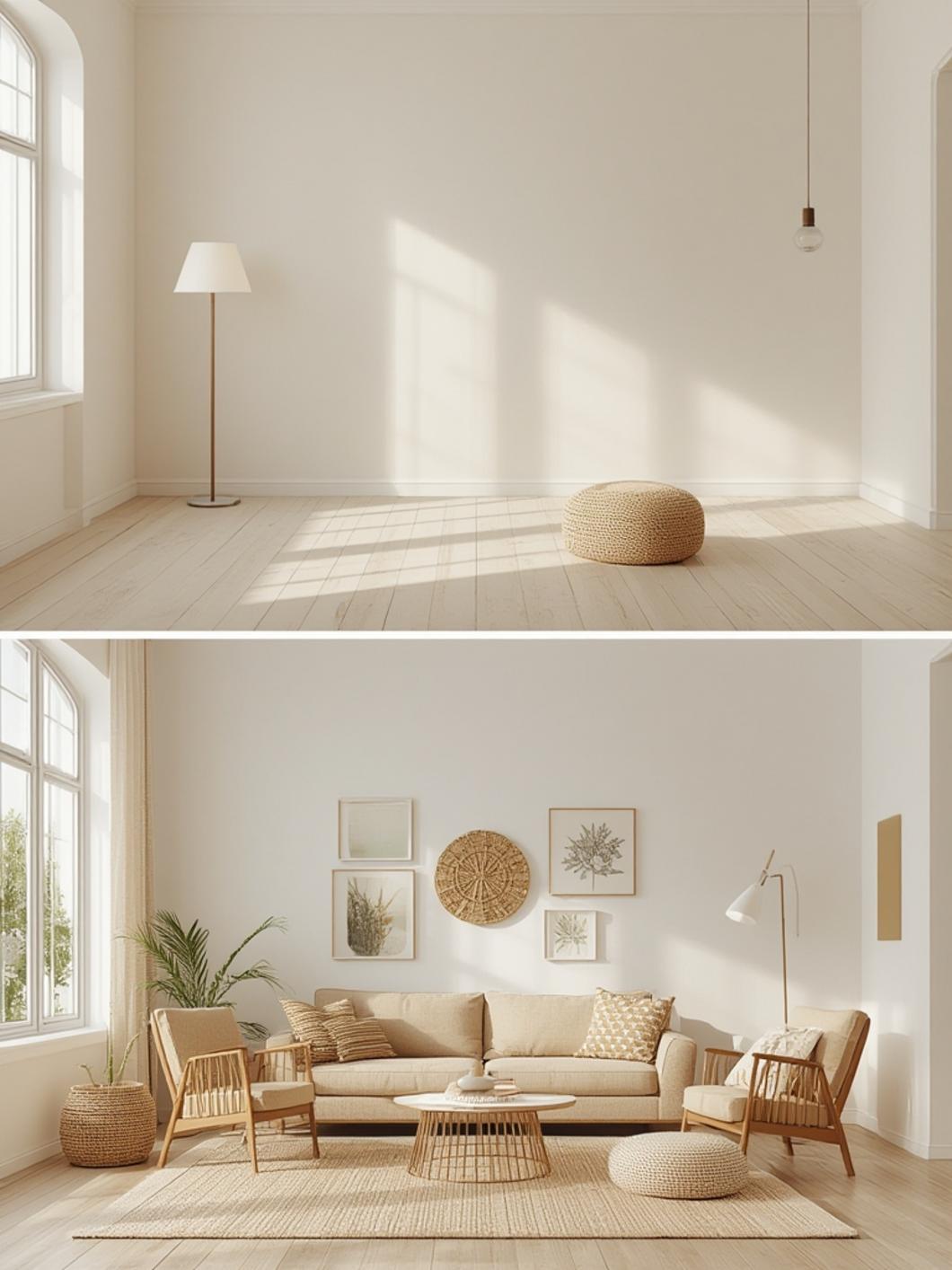
Follow these steps to ensure a professional-looking result.
1. Declutter and Deep Clean: Before bringing anything new in, strip the room back. Clean carpets, wash windows, and dust baseboards. A clean canvas makes the process much easier.
2. Establish the Focal Point: In most living rooms, this is the sofa or the fireplace. Orient your furniture layout to highlight this point. If you have a TV, ensure the seating distance is ergonomic.
3. Paint or Treat Walls: Paint is the cheapest way to change a room. Paint the walls, and if you have woodwork, paint the trim for a crisp finish.
4. Lay the Foundation (Rug): Place your area rug. The front legs of your sofa and chairs should sit on the rug to anchor the space.
5. Position the Sofa and Chairs: Pull furniture away from the walls. “Float” the arrangement to encourage conversation. Create a U-shape or L-shape arrangement.
6. Add Lighting Layers: Place your floor lamp in a dark corner to eliminate shadows. Put table lamps on side tables. Ensure the lighting temperature is consistent (all warm or all cool).
7. Install Window Treatments: Hang curtains. The rod should be 4-6 inches wider than the window frame to make the window look larger.
8. Style the Vertical Space: Hang your largest art piece first, eye-level. Fill in with smaller items. Use mirrors to reflect light sources.
9. Accessorize and Layer: This is where you bring in the personality. Place books, plants, and trays on surfaces. Use the “rule of three” when styling surfaces (group items in odd numbers).
10. Final Touches: Walk around the room. Adjust a pillow, straighten a frame. Sit on the sofa to check comfort and flow.
Benefits & Advantages
Adopting this approach to decorating offers more than just a pretty room. It enhances your daily life in tangible ways.
- Mood Enhancement: A well-styled home reduces anxiety. Biophilic design elements like plants and natural light are proven to lower stress levels.
- Space Optimization: By carefully planning furniture layout, you can make a small room feel spacious or a large room feel intimate.
- Functionality: A decluttered, organized living room makes cleaning easier and finding items faster.
- Increased Home Value: Even if you are renting, a beautiful home environment is an investment in your quality of life. If you own, updated decor increases perceived value.
- Cost Efficiency: By mixing affordable finds with investment pieces, you stretch your dollar further.
Tips, Alternative Styles, or Styling Advice
If the traditional look isn’t for you, consider these alternative interior styling approaches:
- Scandinavian: Focus on whites, light woods, and minimalism. Very airy and perfect for dark rooms.
- Modern Boho: Layer rugs, mix patterns, and use plants heavily. Great for renters who want to add personality without permanent changes.
- Industrial: Exposed brick (or faux brick panels), metal accents, and leather furniture.
- For Small Spaces: Use multifunctional furniture like ottomans with storage. Choose leggy furniture (sofas with exposed legs) to show more floor space.
- For Rentals: Use command strips for art. Use large furniture to fill space rather than lots of small clutter. Focus on removable items like rugs and curtains to add color.
Common Decorating Mistakes to Avoid
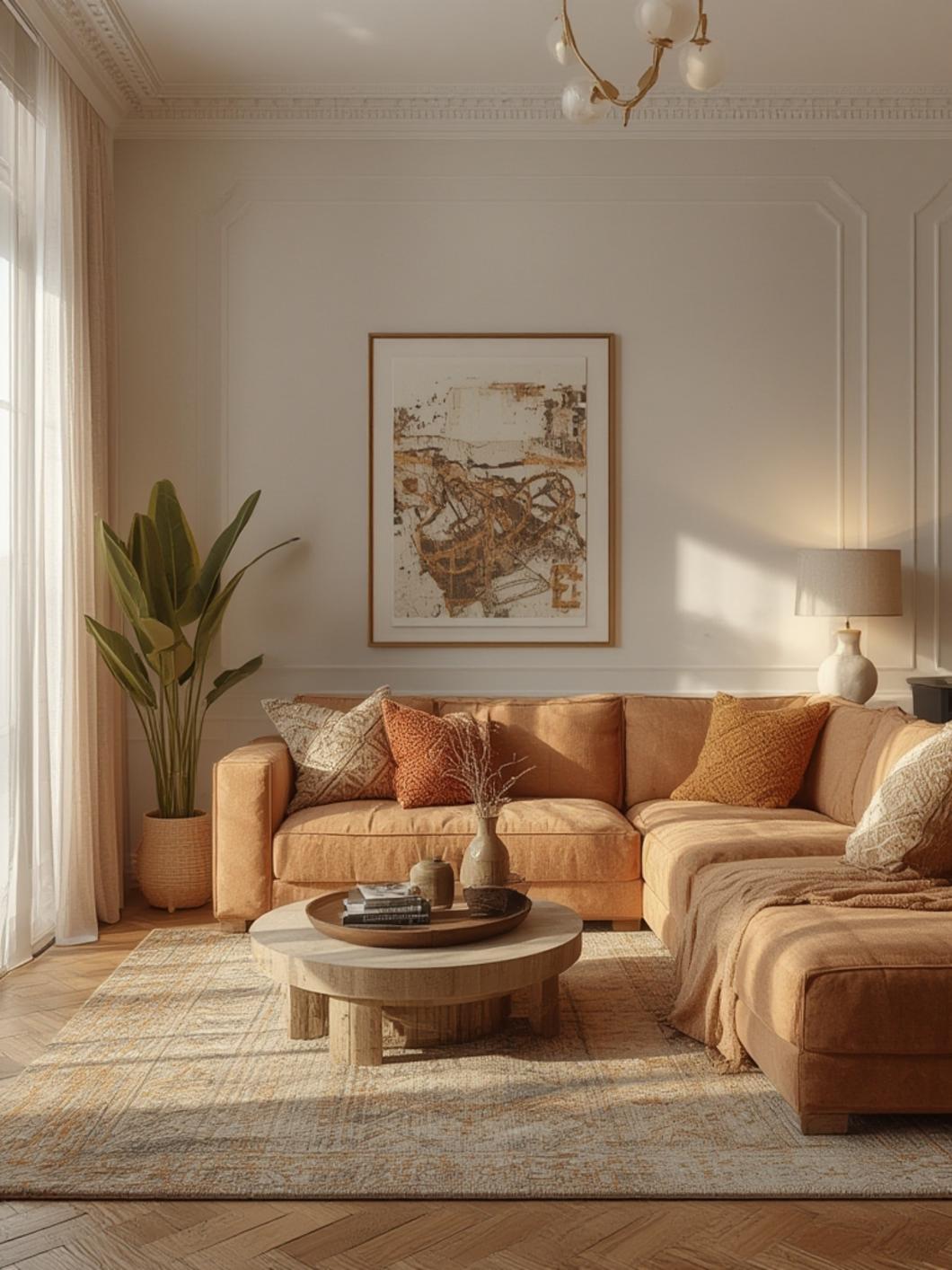
- Buying Furniture that Doesn’t Fit: Always measure your room and doorways before buying. A huge sectional in a tiny room kills flow.
- Relying on Overhead Lighting Only: This creates harsh shadows. Always use lamps to create a cozy atmosphere.
- Pushing All Furniture Against Walls: This creates a “dance floor” in the middle that feels awkward. Pull furniture in to create a conversation area.
- Hanging Art Too High: Art should be hung so the center is at eye level (approx. 57-60 inches from the floor).
- Matchy-Matchy Sets: A room full of matching furniture looks like a showroom, not a home. Mix textures, eras, and wood tones for a curated look.
Maintenance & Upkeep Tips
To keep your living room looking fresh long after the makeover:
- Weekly Dusting: Dust surfaces with a microfiber cloth. Don’t forget baseboards and tops of picture frames.
- Fabric Care: Vacuum upholstery weekly using the brush attachment. Spot clean spills immediately with a gentle solution (water and mild soap).
- Rug Rotation: Rotate your area rug every 6 months to ensure even wear from foot traffic and sunlight.
- Seasonal Updates: Swap out heavy throw blankets for lighter ones in summer. Change a few pillow covers to reflect the season.
- Refresh Plants: Dust plant leaves to help them breathe and photosynthesize. Prune dead leaves regularly.
Conclusion
Styling your home is a journey, not a destination. By focusing on high-impact changes like lighting, paint, and furniture placement, you can create a space that feels expensive and personalized. It requires patience and a bit of creativity, but the reward is a home that truly reflects who you are.
We hope these affordable living room ideas inspire you to take action. Remember, you don’t have to do everything at once. Start small, build your confidence, and enjoy the process of creating your perfect sanctuary. Start your journey with affordable living room decor today, and watch your house turn into a home.
FAQs
1. How can I decorate my living room on a very tight budget?
Focus on the “big three”: paint, lighting, and textiles. Painting walls is cheap and transformative. Thrift stores are goldmines for lamps and art. Changing pillow covers and throws is the fastest way to update a look.
2. What is the best color to paint a small living room?
Light, neutral colors like soft white, pale gray, or warm beige reflect light and make the room feel larger. However, don’t be afraid of a dark accent wall to add depth!
3. How do I arrange furniture in a rectangular living room?
Create two separate zones if the room is long, or float furniture in the center if it’s wide. Anchor the seating area with a rug and ensure there are clear walkways (at least 18 inches) around the furniture.
4. Can I mix wood tones in the living room?
Absolutely! Mixing wood tones adds depth and interest. The trick is to vary the shades (light, medium, dark) and ensure there is enough contrast so they don’t clash. Using a unifying element like a black metal frame or white painted piece can tie them together.
5. How do I choose the right rug size?
A common rule is that the rug should be large enough that the front legs of all seating pieces can sit on it. In a standard 9×12 room, an 8×10 or 9×12 rug usually works best. Avoid “postage stamp” rugs that float in the middle of the floor.