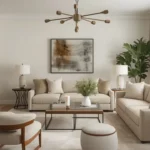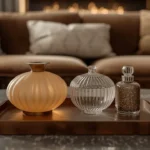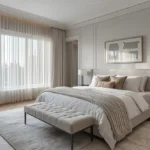

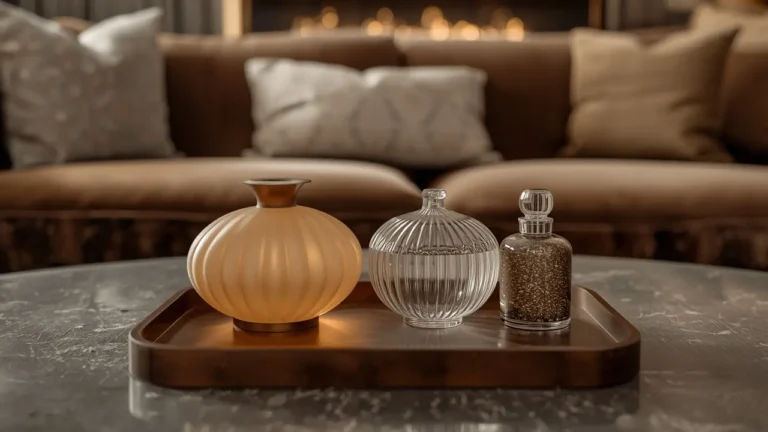
The 3-5-7 rule in decorating is a fundamental principle that transforms ordinary spaces into professionally styled interiors. This simple yet powerful guideline suggests arranging objects in odd-numbered groupings of three, five, or seven to create dynamic, visually appealing compositions that naturally draw the eye and establish focal points throughout your home.
The 3-5-7 rule in decorating is a design principle that recommends arranging objects in odd-numbered groupings of three, five, or seven. This creates more dynamic and visually interesting compositions compared to even-numbered arrangements, which tend to feel static and less engaging. The rule applies to everything from furniture placement to decorative accessories, helping create balanced yet intriguing spaces that naturally guide the eye.
The 3-5-7 rule in decorating is one of those design secrets that separates professionally styled interiors from amateur arrangements. This fundamental principle suggests that objects arranged in groups of three, five, or seven create more visually appealing and dynamic compositions than even-numbered groupings. But why does this simple mathematical concept have such a profound impact on interior design?
The Psychology Behind the 3-5-7 Rule
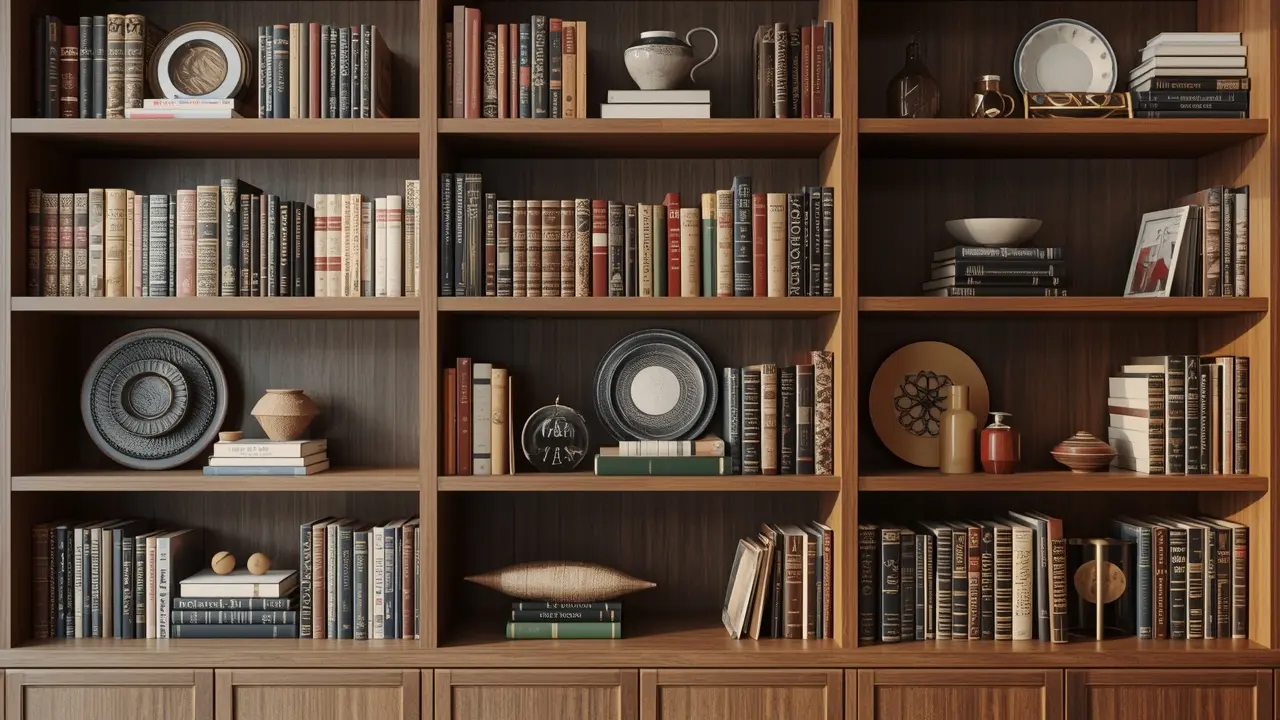
The human brain processes visual information in fascinating ways. When we encounter odd-numbered groupings, our eyes are naturally drawn to move around the arrangement, creating a sense of movement and interest. Even numbers, conversely, tend to create symmetry that can feel static and predictable. The 3-5-7 rule leverages this psychological principle to create spaces that feel both balanced and intriguing.
Think about it: when you see three vases on a shelf, your eye travels from one to the next, creating a visual journey. With four vases, your brain quickly processes the arrangement and moves on. This subtle difference is what makes the 3-5-7 rule so powerful in interior design.
Where the 3-5-7 Rule Shines
Coffee Table Styling
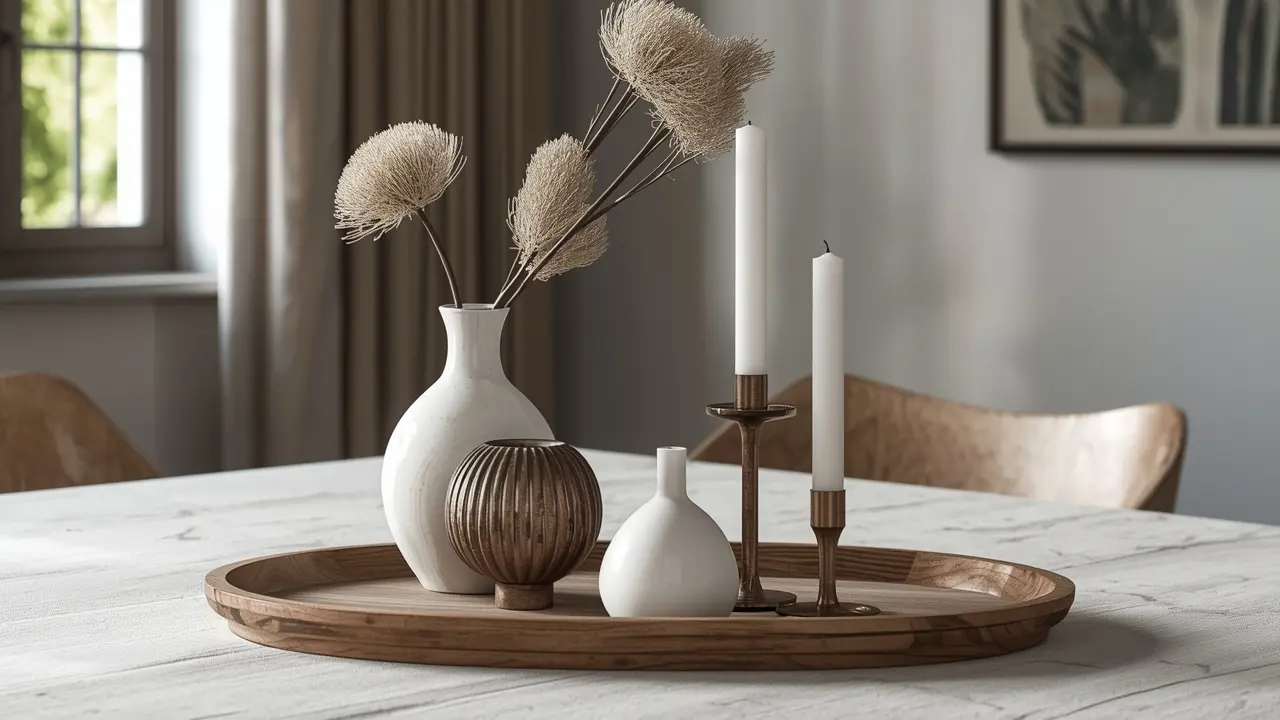
One of the most practical applications of the 3-5-7 rule is coffee table styling. A well-styled coffee table typically features three main elements: a stack of books, a decorative object, and a plant or floral arrangement. This creates a balanced yet dynamic composition that anchors your living space.
Shelving Arrangements
Bookshelves offer endless opportunities to apply the 3-5-7 rule. Group books in odd numbers, arrange decorative objects in threes, or create vignettes with five elements. The key is to vary heights and textures while maintaining the odd-number principle.
Gallery Walls
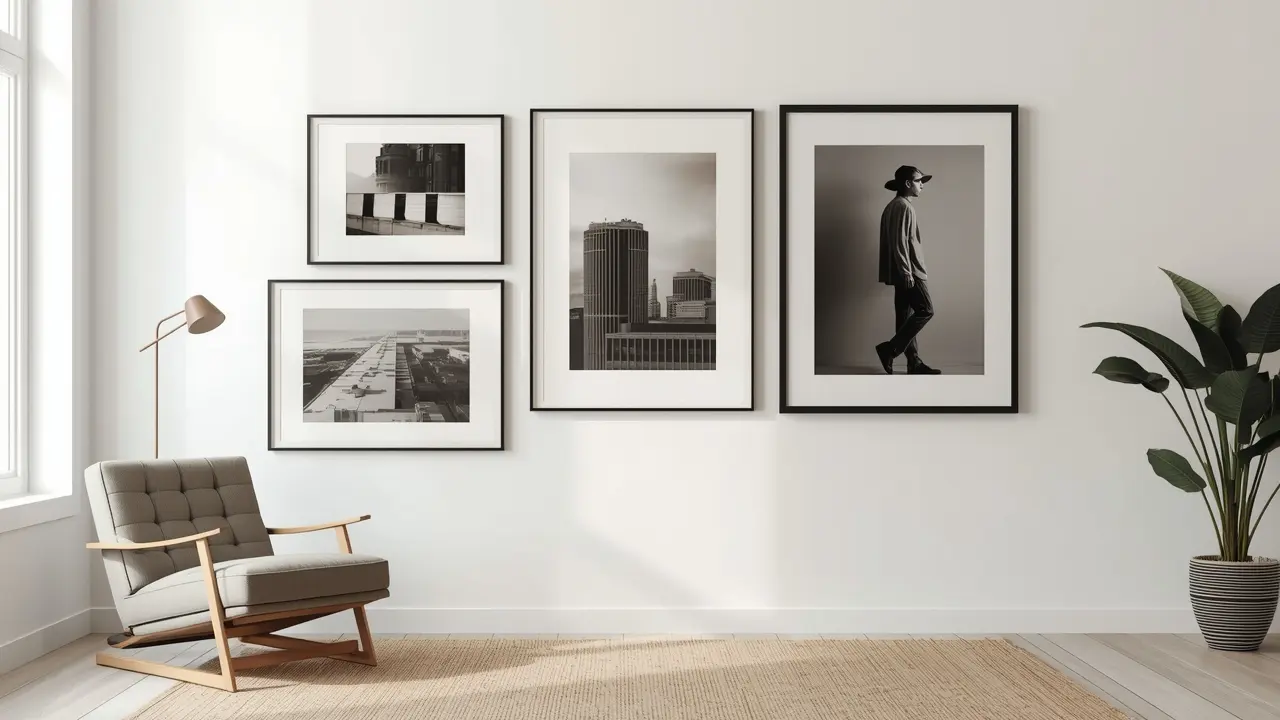
When creating a gallery wall, start with a central piece and build outward using groups of three or five frames. This approach creates a focal point while maintaining visual interest throughout the arrangement.

⭐ ⭐ ⭐ ⭐ ⭐
1,854 Reviews
Gallery Wall Frame Set for Wall or Tabletop Display, Engineered Wood and Shatter-resistant Plexiglass
- Multi Sizes Included: 10 Pack Picture Frames Set includes 2 pcs of black 8×10 picture frames, 4 pcs of black 5×7 frames, and 4 pcs of black 4×6 frames. You can decide how to arrange these different sizes of frames to create a cohesive gallery wall or use them individually in different areas of your home
- Premium Material: The Vittanly 10-Pack Picture Frames in Black are crafted from premium material engineered wood. It offers durability and longevity, making it an excellent choice for preserving valuable memories or displaying essential documents
Mantel Styling
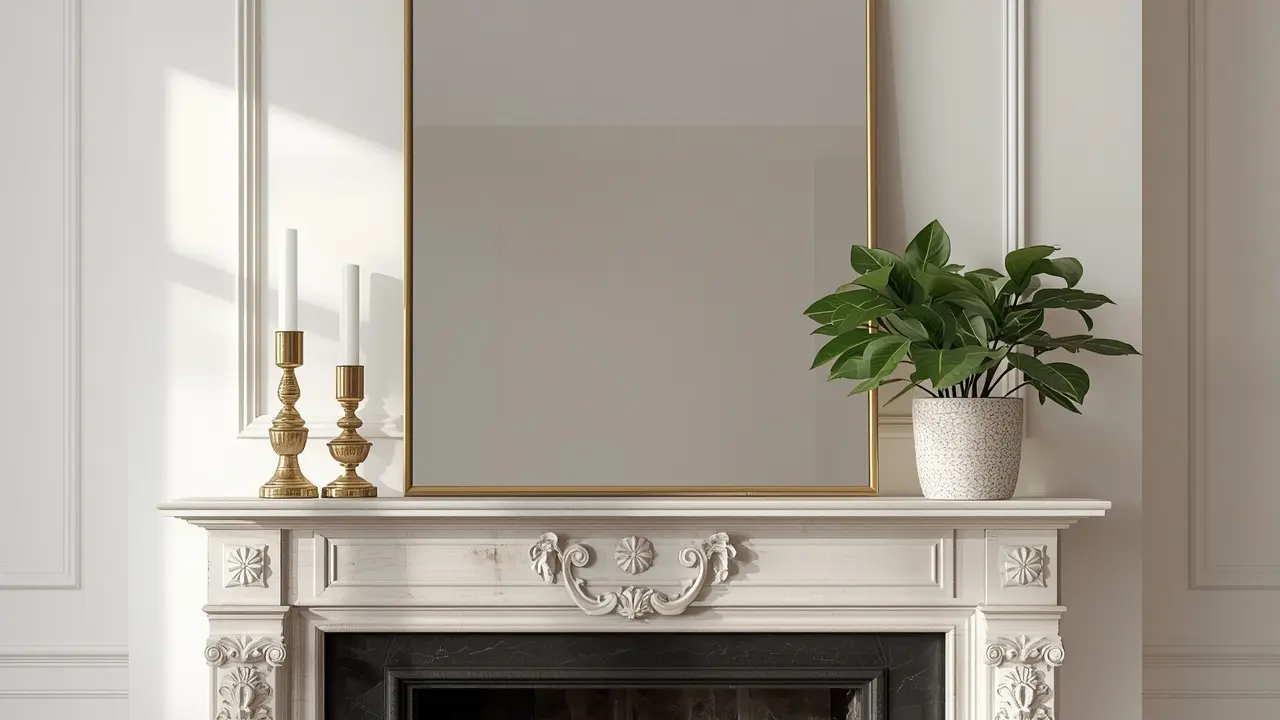
Fireplace mantels are perfect for demonstrating the 3-5-7 rule. A classic arrangement might include a mirror or artwork as the anchor, flanked by two smaller objects, creating a group of three that draws the eye upward.
Practical Applications of the 3-5-7 Rule
Furniture Placement
The 3-5-7 rule extends beyond decorative objects to furniture arrangement. In a living room, you might have a sofa (1), two armchairs (2), and an ottoman (1), creating an arrangement that feels complete without being overly symmetrical.
Lighting Design
When planning lighting, consider using three light sources in a room: perhaps a ceiling fixture, a floor lamp, and a table lamp. This creates layers of light that are both functional and aesthetically pleasing.
Plant Groupings
Houseplants arranged in odd numbers create more natural-looking displays. Three plants of varying heights on a plant stand, or five succulents in a mixed arrangement, feel more organic than even-numbered groupings.
Breaking the Rules (Strategically)
While the 3-5-7 rule is a powerful guideline, great design sometimes requires flexibility. The rule works best as a starting point rather than a rigid requirement. In some cases, breaking the rule intentionally can create striking effects, especially in minimalist or highly contemporary spaces.
Common Mistakes to Avoid
Overcrowding
More isn’t always better. Three well-chosen objects often have more impact than seven poorly selected ones. Quality always trumps quantity.
Ignoring Scale
Ensure your groupings work proportionally within your space. Three oversized objects in a small room can feel overwhelming, while tiny objects in a large space might get lost.
Forgetting Negative Space
The 3-5-7 rule doesn’t mean every surface needs to be filled. Negative space is crucial for allowing your arrangements to breathe and preventing visual clutter.
The 3-5-7 Rule in Different Design Styles
Modern Minimalist
In minimalist interiors, the 3-5-7 rule often manifests as carefully curated groupings of three high-impact objects rather than numerous smaller items.
Traditional Design
Traditional spaces might use the rule more liberally, with five or seven objects creating rich, layered arrangements that feel warm and inviting.
Bohemian Style
Bohemian interiors can embrace the 3-5-7 rule while incorporating more eclectic combinations, using the principle to create intentional-looking collected arrangements.
Quick Tips for Implementing the 3-5-7 Rule
1. Start with your largest object and build around it
2. Vary heights and textures within your groupings
3. Consider the visual weight of each object
4. Step back frequently to assess your arrangement
5. Don’t be afraid to edit and refine
Why the 3-5-7 Rule Matters
The beauty of the 3-5-7 rule lies in its simplicity and effectiveness. It’s a tool that helps create spaces that feel professionally designed without requiring years of training. By understanding and applying this principle, you can transform your home from merely furnished to thoughtfully designed.
Remember, the goal of interior design is to create spaces that feel both beautiful and functional. The 3-5-7 rule is simply a guide to help you achieve that balance, creating interiors that are as pleasing to live in as they are to look at.
Whether you’re styling a single shelf or planning an entire room, the 3-5-7 rule provides a framework for making design decisions with confidence. It’s not about rigid adherence to a formula, but rather about understanding the principles that make spaces feel harmonious and engaging.
By incorporating the 3-5-7 rule into your decorating approach, you’re tapping into fundamental design principles that have been used by professionals for decades. The result? Spaces that feel intentional, balanced, and effortlessly stylish.
Frequently Asked Questions
Can I use the 3-5-7 rule in small spaces?
Absolutely! The 3-5-7 rule works in spaces of all sizes. In small spaces, focus on fewer, well-chosen objects arranged in groups of three to avoid overcrowding while still creating visual interest.
Does the 3-5-7 rule apply to color schemes?
While primarily used for object arrangement, the principle can extend to color. Many successful color schemes use three main colors (dominant, secondary, accent) which creates a balanced yet interesting palette.
What if I have four items I want to display together?
If you have four items, consider grouping them as three plus one, or create two groups of two but vary their heights or spacing to avoid symmetry. The goal is to create visual interest, not strict adherence to numbers.
Is the 3-5-7 rule only for modern interiors?
No, the 3-5-7 rule works across all design styles. Traditional interiors might use it more liberally with seven objects, while modern spaces might stick to three for a cleaner look. The principle adapts to any aesthetic.
How do I know if I’m using the 3-5-7 rule correctly?
If your arrangement feels balanced yet dynamic, with your eye naturally moving around the composition, you’re likely using the rule effectively. Trust your instincts – if it looks right, it probably is.