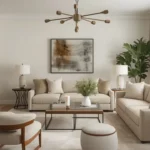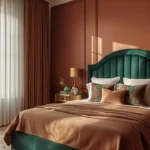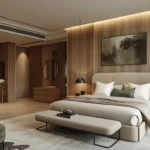

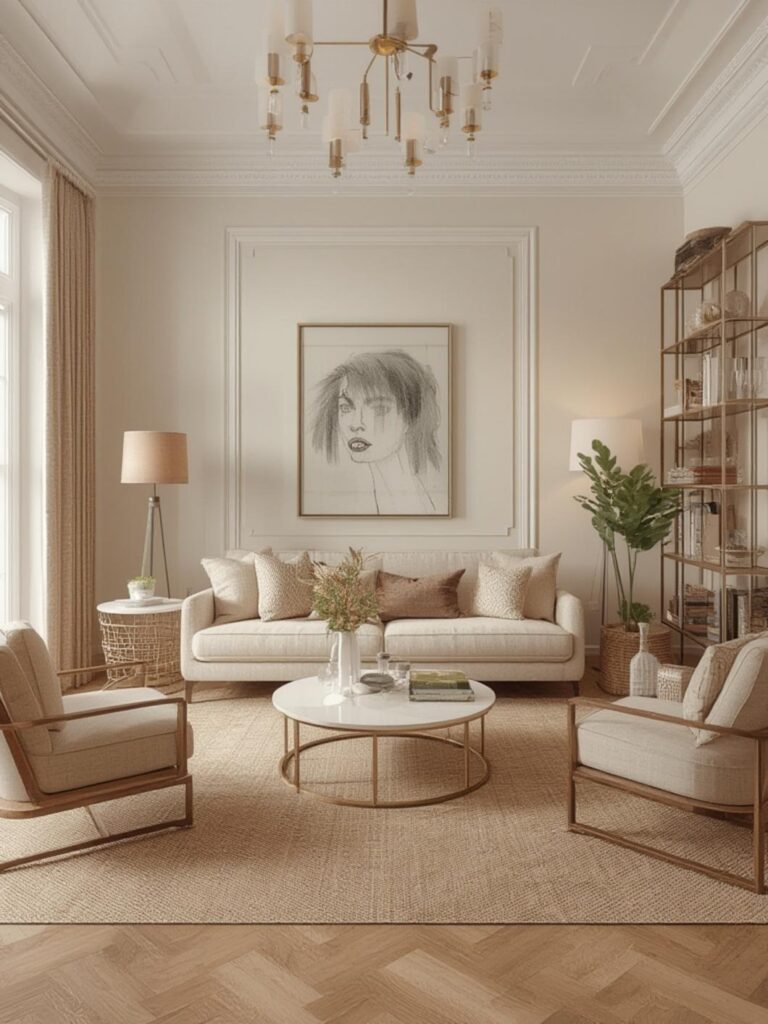
Have you ever walked into a room and felt an immediate sense of calm and belonging? That isn’t magic; it’s the psychology of living room interior design. Your living room is more than just a space with a sofa and a TV; it is the heart of your home, a sanctuary for relaxation, and the stage for your most cherished memories. According to a 2023 report by the National Center for Biotechnology Information (NCBI), the design of our immediate environment significantly impacts our mental well-being and stress levels. Investing in thoughtful living room interior design isn’t just about aesthetics it’s about curating a lifestyle that supports your mental health and daily functionality.
This comprehensive guide will walk you through creating a sophisticated, modern sanctuary. We will cover everything from the essential materials to a detailed timeline, ensuring your furniture layout maximizes space and flow. Whether you are undertaking a full renovation or a simple refresh, these data-backed strategies will help you achieve a professional look.
Materials & Decor Items
Before diving into the process, let’s gather the necessary components. A successful project relies on having the right tools and pieces. Below is a curated list focusing on a modern, neutral aesthetic that emphasizes texture and light.
Furniture Essentials:
Sofa: A 3-seater sectional or modular sofa in a durable, neutral fabric (beige, grey, or oatmeal). Alternative:* A high-quality slipcover for an existing sofa.
- Coffee Table: A round or oval table to soften the room’s lines. Materials like light oak or matte metal work best for modern room design.
- Accent Chairs: One or two armchairs in a complementary texture (velvet or leather) to create a conversational grouping.
- Media Console: A low-profile unit with closed storage to hide clutter. Open shelving can be used for display.
Textiles & Soft Goods:
- Area Rug: A large rug (8×10 or 9×12) that anchors the seating area. Look for low-pile wool or jute for durability.
- Throw Pillows: Mix 2-4 pillows in varying sizes. Use a formula: one solid, one pattern, one textured (bouclé or knitted).
- Curtains: Floor-to-ceiling sheer panels to diffuse light, paired with blackout drapes for privacy.
Lighting & Fixtures:
- Overhead Lighting: A statement pendant or modern chandelier (2700K-3000K color temperature for warmth).
- Task Lighting: A floor lamp with an adjustable arm for reading nooks.
- Ambient Lighting: Table lamps with fabric shades or smart bulbs for dimmable control.
Decor & Accessories:
- Wall Decor: Large-format art or a gallery wall. Ensure art is hung at eye level (57-60 inches from the floor).
- Greenery: Fiddle leaf fig, snake plants, or pothos to improve air quality and add life.
- Accessories: Ceramic vases, coffee table books, and woven baskets for storage.
Tools Needed:
- Tape measure
- Level
- Drill and wall anchors
- Painter’s tape (for planning)
- Virtual room planner app (e.g., Roomstyler or Planner 5D)
Planning & Styling Timeline
Proper planning prevents poor performance. Based on industry averages, here is a realistic timeline for your project.
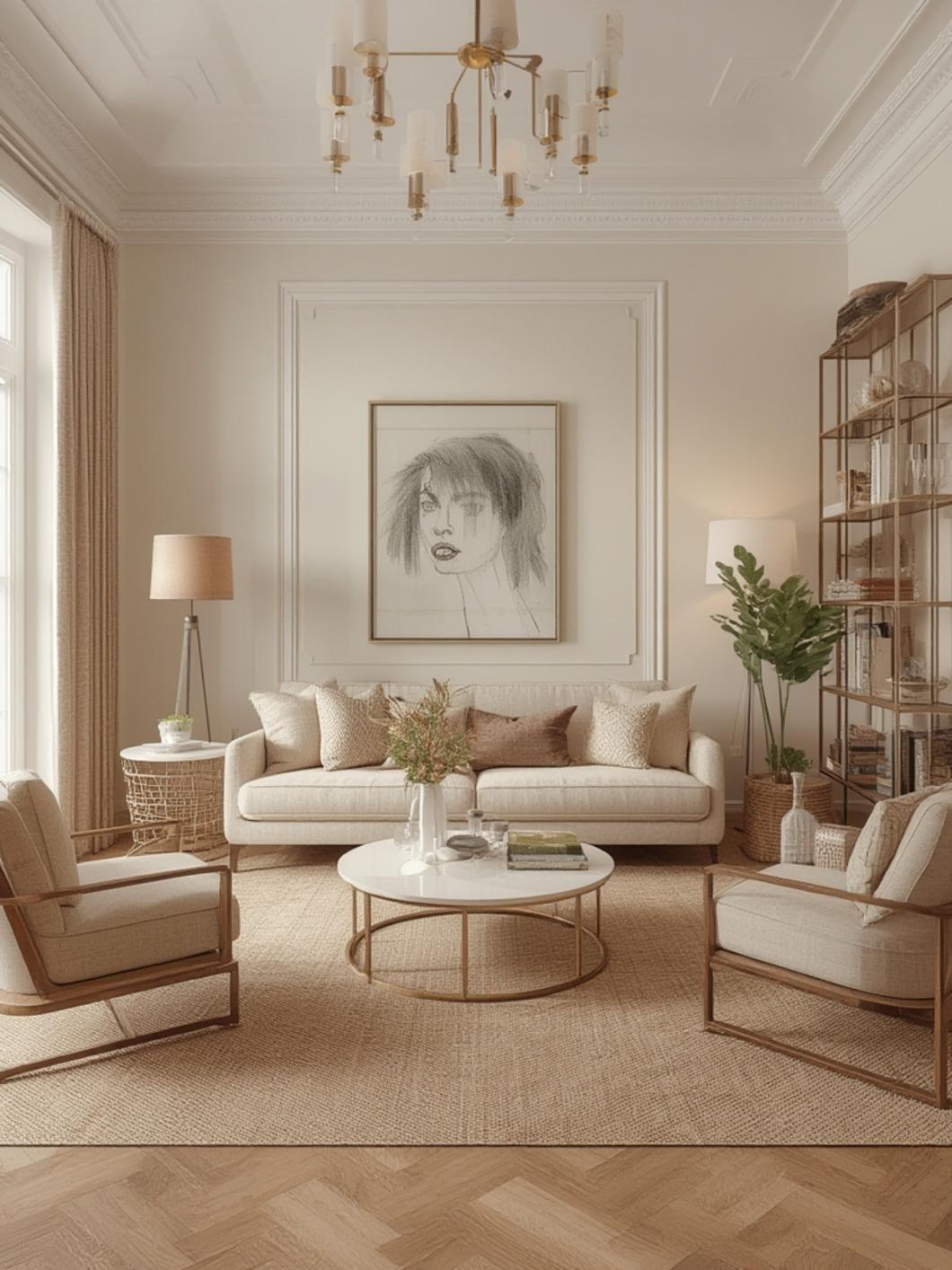
Phase 1: Assessment & Planning (1-2 Weeks)
- Preparation: Measure your space and photograph the current layout. Identify pain points (e.g., poor traffic flow, inadequate lighting).
- Mood Boarding: Spend time on Pinterest or design blogs collecting images. Define your style keywords (e.g., “organic modern,” “scandi-minimalist”).
- Budgeting: Allocate funds for furniture (50%), decor (30%), and labor/paint (20%).
Phase 2: Shopping & Procurement (2-4 Weeks)
- Shopping: Lead times for furniture can vary from immediate (in-stock) to 12 weeks (custom). Order key furniture pieces first.
- Affordable Alternatives: Scout thrift stores for solid wood pieces that can be refinished, or use online marketplaces for gently used items.
Phase 3: Execution & Styling (3-7 Days)
- Prep Work: Painting walls, installing curtains, or mounting wall decor.
- Heavy Lifting: Positioning large furniture. This requires 1-2 people for safety.
- Styling: The “finishing touches” phase. This involves arranging accessories and adjusting lighting.
Comparison:
- Quick Refresh (3-5 Days): Focus on paint, textiles, and decluttering. No new large furniture.
- Full Makeover (6-8 Weeks): Includes custom furniture, potential contractor work, and shipping delays.
Step-by-Step Instructions
Follow these steps to ensure a cohesive and functional result.
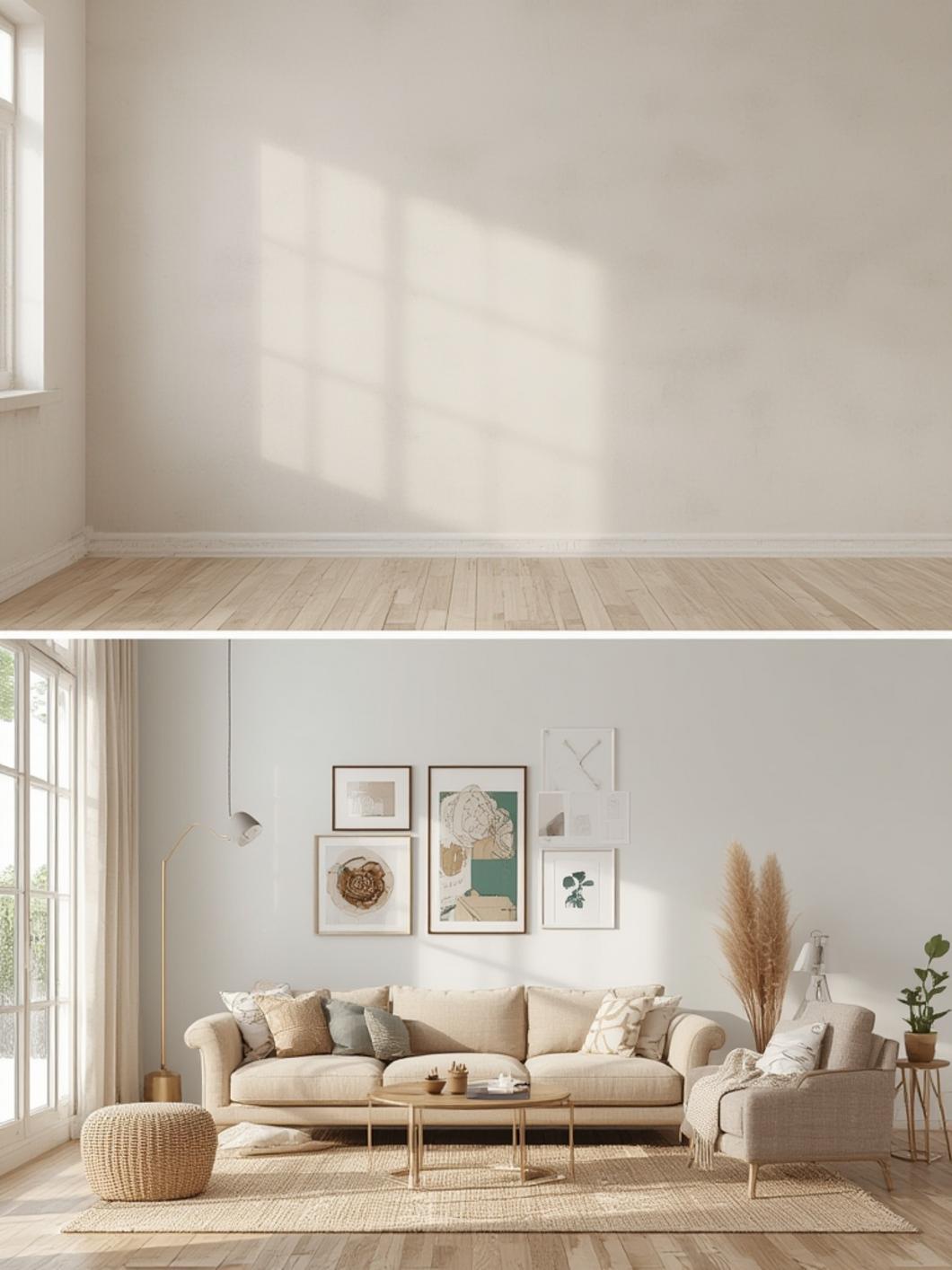
Step 1: Clear and Clean
Empty the room entirely. This forces you to evaluate every item’s necessity. Deep clean carpets, windows, and baseboards before introducing new elements.
Step 2: Establish the Anchor (Furniture Layout)
The sofa is usually the largest piece. Float it away from walls if space permits—this often makes the room feel larger. Create a “U-shape” or “L-shape” conversation zone.
Tip:* Leave 18 inches between the sofa and coffee table for legroom. Ensure walkways are at least 30-36 inches wide.
Step 3: Define the Color Palette
Select a primary color (60%—walls, large rug), secondary color (30%—sofa, curtains), and accent color (10%—pillows, art).
Tip:* If you struggle with color palettes, use the 60-30-10 rule. It creates visual balance and prevents the room from feeling chaotic.
Step 4: Layer the Lighting
Lighting is the jewelry of the room.
1. Ambient: Install dimmers on overhead lights.
2. Task: Place floor lamps next to reading chairs.
3. Accent: Use picture lights on art or LED strips behind the media console.
Tip:* Never rely on a single overhead light source. Layering creates depth and mood.
Step 5: Incorporate Texture & Greenery
A room with only flat surfaces feels cold. Add textures through a chunky knit throw, a velvet pillow, or a jute rug. Place plants in corners or on the coffee table to soften hard edges.
Step 6: Final Accessorizing
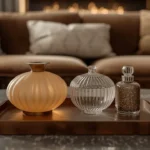
Apply the “Rule of Three” for vignettes (e.g., on the coffee table: a stack of books, a vase, and a candle). Vary heights to guide the eye. This is the final polish for your living room decor.
Benefits & Advantages
Why invest time in perfecting your living room interior design?
1. Mental Clarity & Mood Enhancement: A well-organized space reduces cortisol (stress hormone) levels. Natural light and greenery boost serotonin.
2. Optimized Functionality: Strategic furniture layout improves traffic flow, making the room easier to navigate and clean.
3. Increased Home Value: Real estate data suggests that staged homes sell 73% faster than non-staged ones. Even if you aren’t selling, a high-quality interior boosts equity.
4. Social Versatility: A well-styled room is ready for entertaining at a moment’s notice, boosting confidence in hosting.
Tips, Alternative Styles, or Styling Advice
While the modern neutral style is timeless, here are variations to suit your personality:
- Scandinavian: Focus on white walls, blonde wood, and functional furniture layout. Keep clutter to a minimum.
- Bohemian (Boho): Layer rugs, mix patterns, and use eclectic wall decor. Plants are essential here.
- Mid-Century Modern: Prioritize clean lines, tapered legs on furniture, and geometric color palettes (mustard, teal, walnut).
- Small Spaces/Apartments: Use mirrors to reflect light and create the illusion of depth. Choose leggy furniture (raised on legs) to expose more floor space.
Common Decorating Mistakes to Avoid
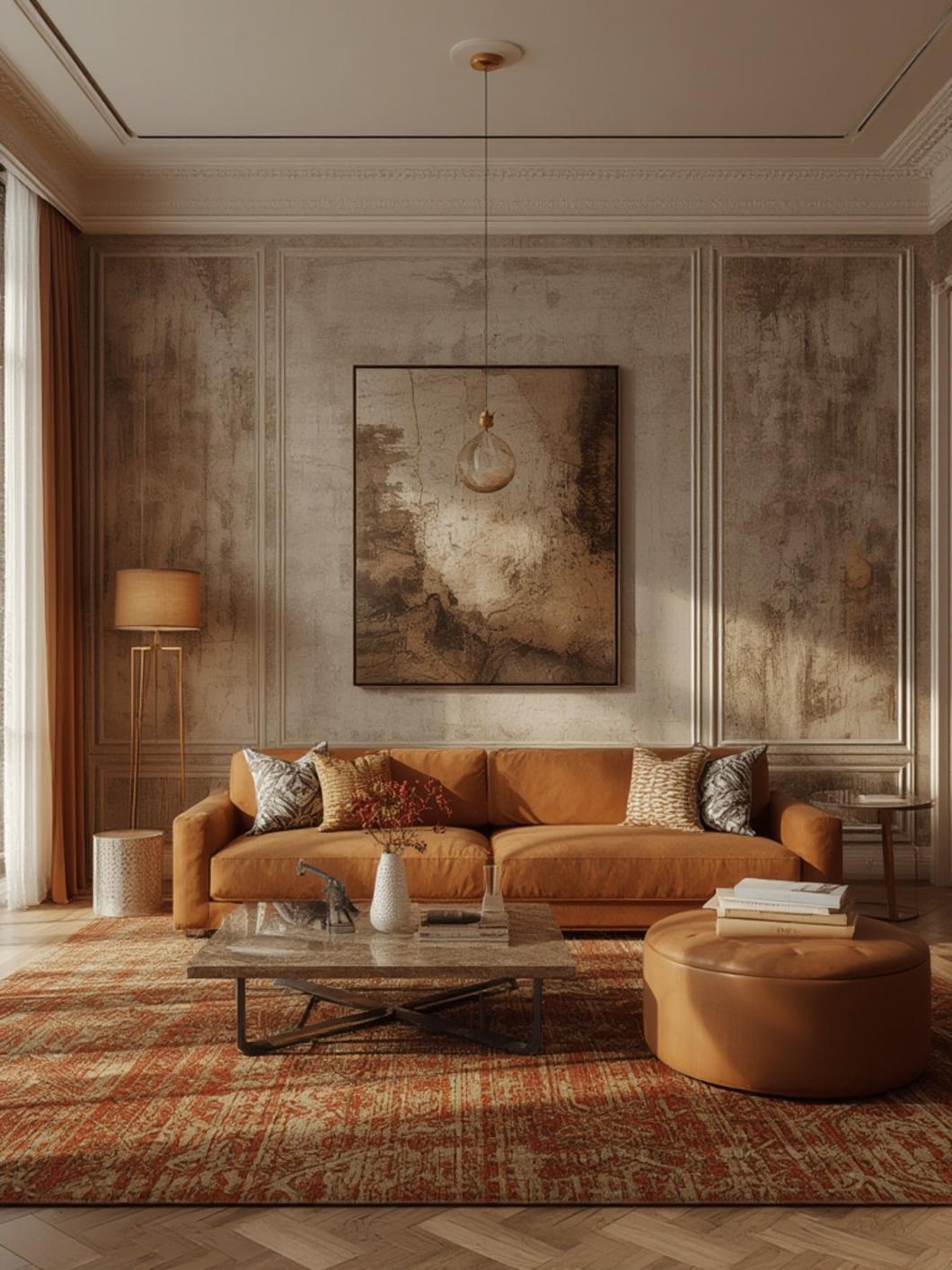
Even the best plans can go wrong. Here are common pitfalls and how to fix them:
1. The “Float” Failure: Pushing all furniture against the walls creates a “dance floor” in the middle.
Solution:* Pull the sofa off the wall. It instantly adds a designer touch and improves conversation flow.
2. Incorrect Rug Size: A rug that is too small makes the room feel disjointed.
Solution:* At least the front legs of all furniture in a grouping should sit on the rug.
3. Poor Lighting: Relying on a single overhead fixture creates harsh shadows.
Solution:* Turn on every light source you have during the evening. If a corner is dark, add a lamp.
4. Hanging Art Too High: Art floating near the ceiling disconnects it from the room.
Solution:* Center art at 57-60 inches from the floor to the center of the artwork.*
Maintenance & Upkeep Tips
To keep your living room decor looking fresh:
- Weekly: Vacuum rugs and upholstery. Dust surfaces with a microfiber cloth to capture allergens.
- Monthly: Rotate throw pillows and fluff cushions to maintain shape. Wipe down lighting fixtures.
- Seasonal: Swap out heavy throws for lighter textures in summer. Update wall decor or coffee table books to reflect the season.
- Annual: Deep clean curtains and rugs. Check the furniture layout—sometimes a simple rearrangement can refresh the energy without spending money.
Conclusion
Mastering living room interior design is a journey of balancing aesthetics with practicality. By following a structured timeline, avoiding common mistakes like the “small rug” trap, and focusing on layering textures and lighting, you can transform a generic box into a personalized haven.
Remember, the goal isn’t perfection but creating a space that tells your story. We encourage you to start with one corner of your room today. Share your before-and-after photos with us, or explore our other guides on room design for more inspiration!
FAQs
1. How can I update my living room decor on a tight budget?
Focus on high-impact, low-cost changes: painting walls, swapping out throw pillows, adding plants, and rearranging existing furniture for a new layout. Thrifting accessories is also a great way to find unique pieces.
2. What is the best color palette for a small living room?
Light, monochromatic color palettes (whites, creams, soft greys) tend to make a room feel larger and airier. Using mirrors and glass furniture can also enhance the sense of space.
3. How do I choose the right size rug?
Measure your seating area. A standard rule is that the rug should be large enough to have at least the front legs of your sofa and chairs on it. Typically, an 8×10 or 9×12 rug works for most medium-sized living rooms.
4. How important is lighting in interior styling?
Lighting is crucial. It affects the mood, perceived size of the room, and functionality. Always aim for three layers: ambient (overhead), task (lamps for reading), and accent (spotlights on art).
5. Can I mix different furniture styles?
Yes! Mixing styles adds character. The key is to maintain consistency through color, material, or shape. For example, if you have a modern sofa, you can pair it with a vintage coffee table if the wood tone matches other elements in the room.