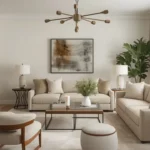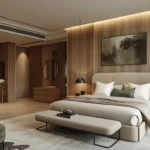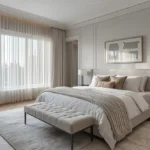

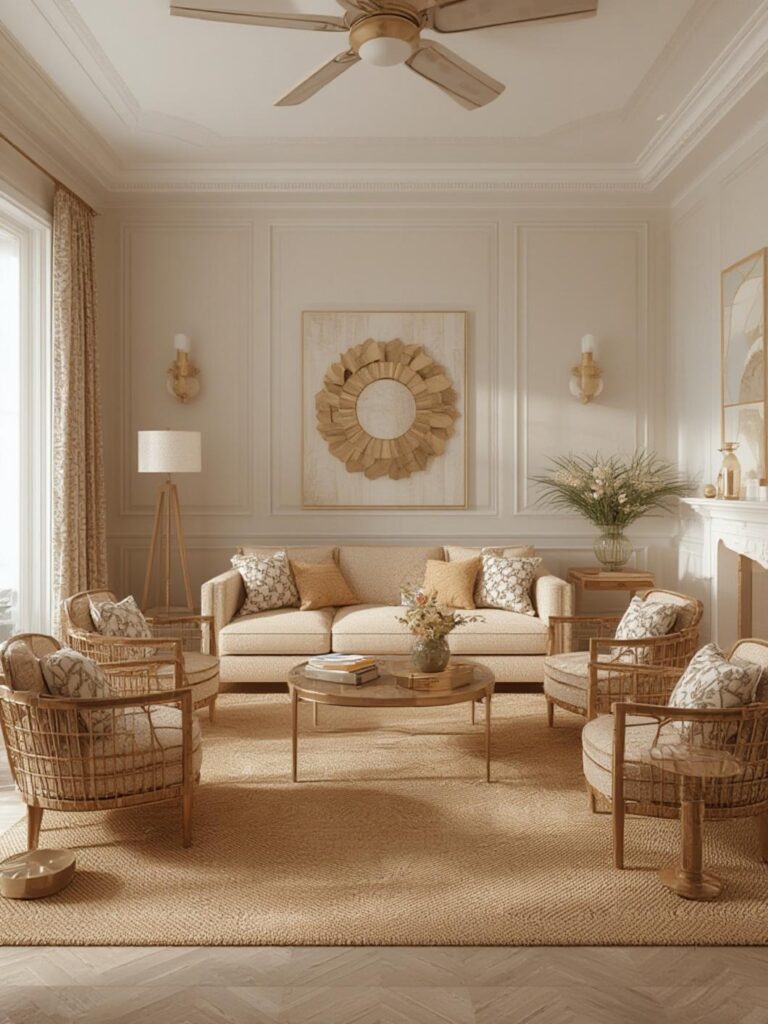
Have you ever walked into a room and immediately felt a sense of calm and warmth, only to realize it wasn’t the furniture, but the way the light danced off the walls? Many homeowners underestimate the power of interior styling and the profound impact of a well-thought-out lighting plan. But why is mastering the art of lighting so crucial? It’s not just about visibility; it’s about mood, functionality, and highlighting your favorite home decor pieces.
This comprehensive guide is designed to help you navigate the world of living room lighting ideas, transforming your space from ordinary to extraordinary. Whether you are refreshing your current setup or starting from scratch, understanding how to layer your illumination effectively is the secret to a cohesive and inviting atmosphere.
Materials & Decor Items
Before diving into the setup, it’s essential to gather the right tools and furniture layout accessories. Achieving a professional look doesn’t always require a massive budget, but it does require strategic selection.
Essential Lighting Fixtures:
- Ambient Lighting: A central ceiling fixture (chandelier, flush mount, or semi-flush mount) to provide general illumination.
- Task Lighting: Table lamps or floor lamps with adjustable heads for reading corners or workspaces.
- Accent Lighting: LED strip lights for shelving or picture lights to highlight wall decor.
- Dimmers: Essential for all switches to control the intensity and lighting mood.
Furniture & Layout:
- Sofa & Seating: Choose pieces that fit your room’s scale. An oversized sectional dictates a different furniture layout than a loveseat and armchairs.
- Side Tables: Necessary for placing lamps and holding beverages.
- Rug: A large area rug (at least 8-12 inches wider than your sofa on all sides) to anchor the space.
Decor & Textiles:
- Curtains: Sheer panels to diffuse natural light or heavy drapes for privacy and drama.
- Throw Pillows: Mix textures (velvet, linen, knit) to add depth.
- Wall Art/Mirrors: Mirrors bounce light around the room, making it feel larger.
- Accessories: Vases, books, and trays for styling surfaces.
Tools:
- Tape measure
- Painter’s tape (for mapping out furniture placement)
- Screwdriver set
- Level
Optional/Affordable Alternatives: Instead of buying new, consider painting old lamp bases for a fresh look. Thrift stores are goldmines for unique fixtures that just need a little TLC.
Planning & Styling Timeline
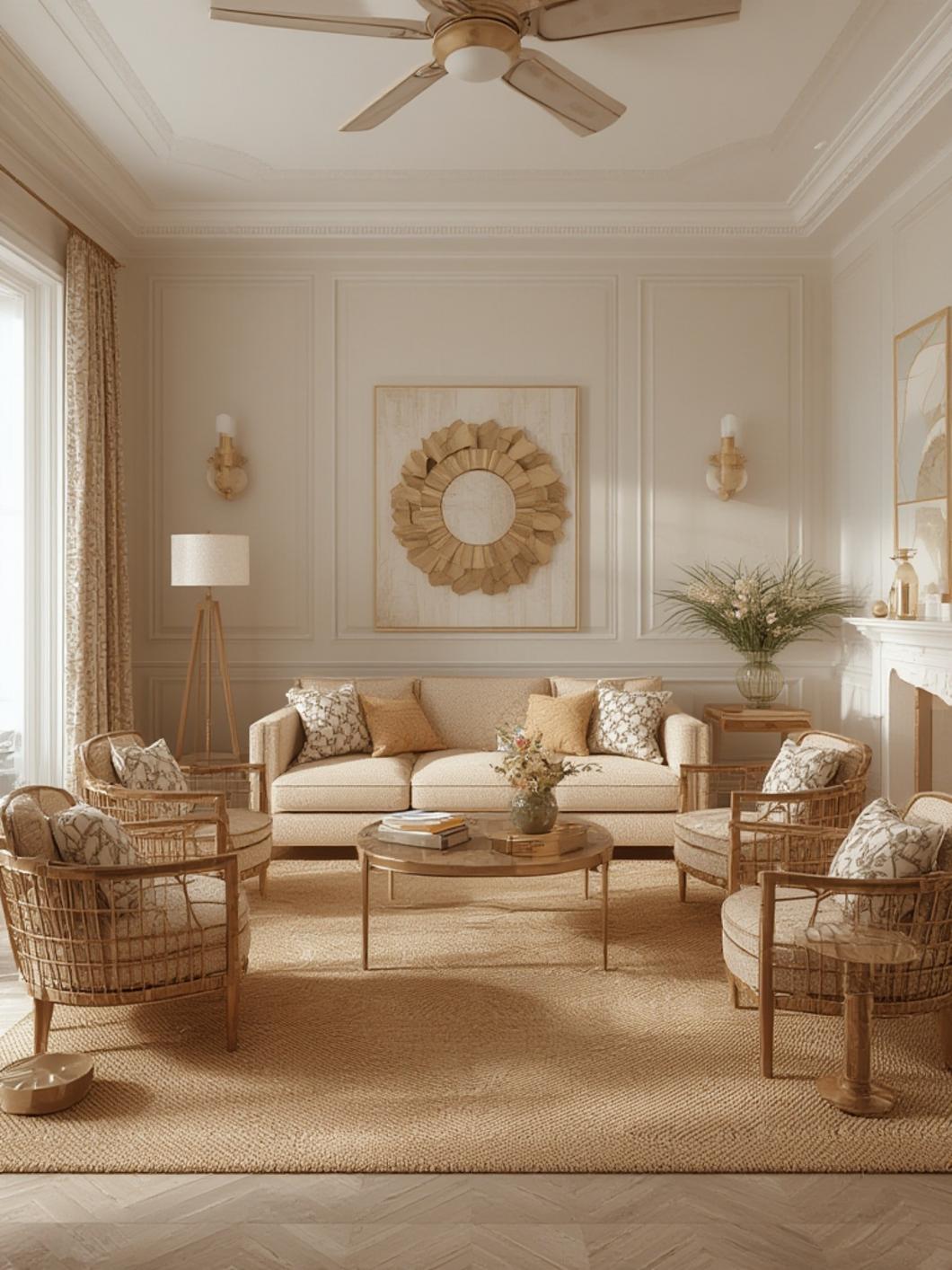
Planning your room design is just as important as the execution. Here is a realistic timeline to keep you on track:
Preparation & Planning (1-2 Days):
- Assessment: Identify the room’s focal point (fireplace, large window, entertainment center).
- Sketching: Measure your room and sketch a rough furniture layout. Determine where outlets are located to plan your lighting zones.
- Mood Board: Create a digital or physical board with your chosen color palettes and textures.
Shopping (1-3 Weeks):
- Ordering: Lighting fixtures and furniture often have long lead times. Order these first.
- Sourcing: Visit local stores for rugs and decor to see textures and colors in person.
Styling Duration (1-2 Days):
- Installation: Hanging fixtures and mounting wall decor.
- Arrangement: Moving furniture and layering textiles.
- Finishing Touches: Placing accessories and adjusting lighting levels.
Quick Refresh vs. Full Makeover:
Quick Refresh (Weekend Project):* Swapping out lampshades, adding dimmer switches, rearranging furniture layout, and updating throw pillows.
Full Makeover (1 Month+):* Painting walls, installing new fixtures, buying new furniture, and major renovations.
Step-by-Step Instructions
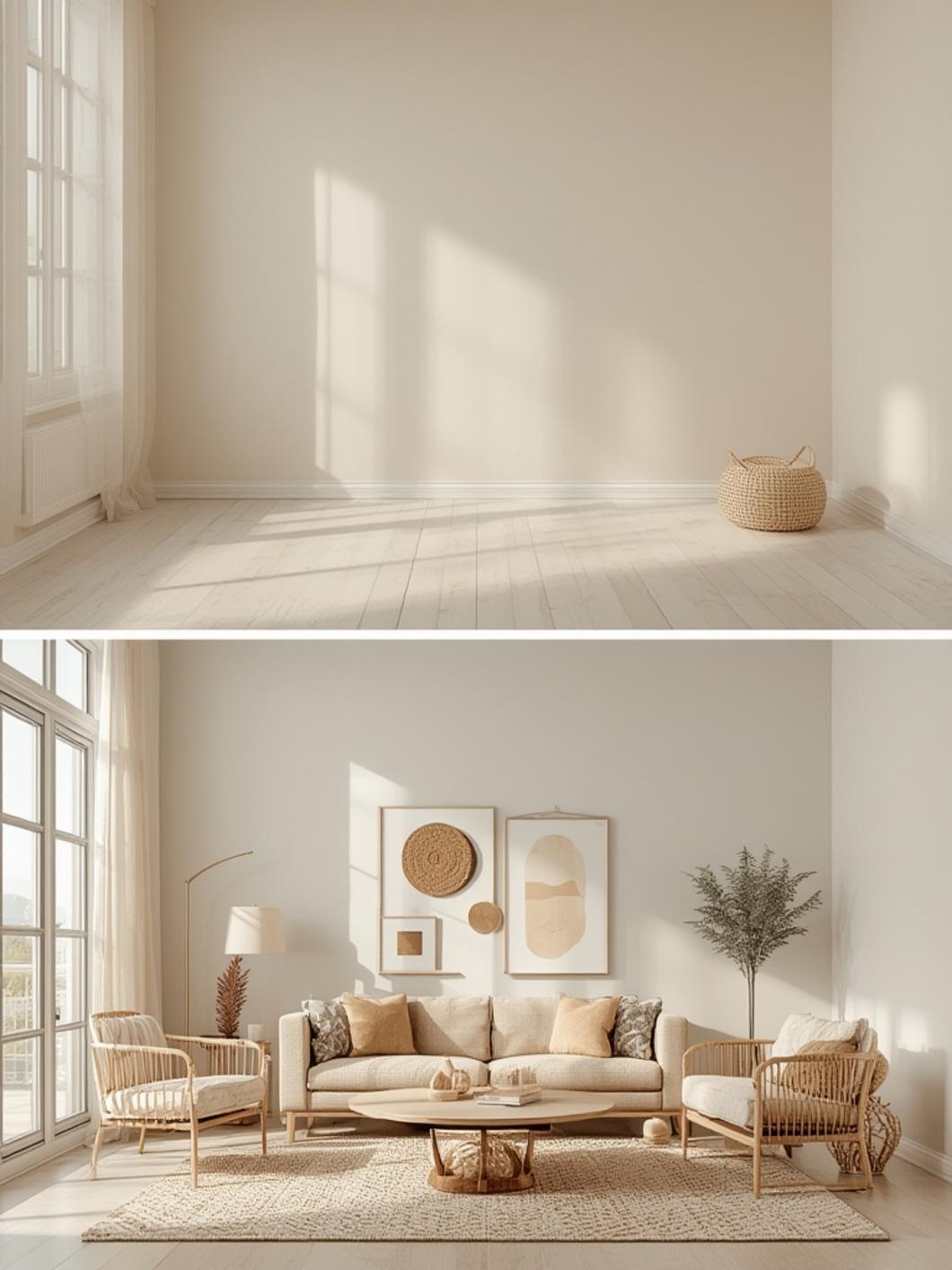
Ready to style? Follow these steps to integrate your living room lighting design seamlessly.
Step 1: Map Your Zones
Start by defining zones in your interior styling plan. Are you creating a conversation area, a reading nook, or a media zone? Use painter’s tape on the floor to outline where large pieces like the sofa and rug will go.
Step 2: Layer Your Light
A professional living room lighting design relies on three layers:
1. Ambient: Install your main ceiling fixture. If you have low ceilings, opt for a flush mount to keep the room design open.
2. Task: Place floor lamps next to reading chairs or table lamps on side tables. Ensure the bottom of the lampshade is at eye level when seated to prevent glare.
3. Accent: Use picture lights over artwork or LED tape under shelves. This adds drama and draws the eye to specific home decor elements.
Step 3: The 60-30-10 Rule
Apply this classic rule for color palettes:
- 60% Dominant Color: Walls, large rug, sofa.
- 30% Secondary Color: Curtains, accent chairs, smaller textiles.
- 10% Accent Color: Throw pillows, wall decor, accessories.
Step 4: Furniture Placement
Float your furniture away from the walls if space allows (even 2-3 inches creates a softer look). Anchor the conversation area with the rug. Ensure pathways are clear (at least 30 inches wide) for easy flow.
Step 5: Final Styling & Texture
Layer your textures. Place a throw blanket on the sofa, stack books on the coffee table, and add a plant for life. Finally, install dimmer switches on your main circuits. This is the most impactful upgrade for adjusting the mood instantly.
Benefits & Advantages
Why invest time in refining your living room lighting ideas?
- Mood Enhancement: Properly dimmed, warm lighting (2700K-3000K temperature) reduces stress and promotes relaxation.
- Visual Space: Layered lighting eliminates dark corners, making the room feel larger and more welcoming.
- Functionality: specific task lighting reduces eye strain during reading or hobbies.
- Highlighting Assets: Directional accent lighting draws attention to architectural features or expensive wall decor, increasing the perceived value of your room design.
Tips, Alternative Styles, or Styling Advice
Adapting your interior styling to fit your lifestyle is key.
- Small Spaces/Apartments: Use vertical lighting (sconces) to free up floor space. Mirrors are your best friend—hang them opposite windows to double natural light. Choose multi-functional furniture (e.g., an ottoman with storage).
- Boho Style: Incorporate mismatched lamps, woven pendant lights, and plenty of plants. Layer rugs and use rich, earthy color palettes.
- Minimalist/Scandinavian: Focus on clean lines. Use white and neutral tones to reflect light. Opt for pendant lights with simple geometric shapes and keep furniture layout sparse and functional.
- Budget-Friendly: DIY your wall decor by framing fabric scraps or printing high-quality royalty-free art. Swap out standard ceiling fans for a stylish fixture found at discount home stores.
Common Decorating Mistakes to Avoid
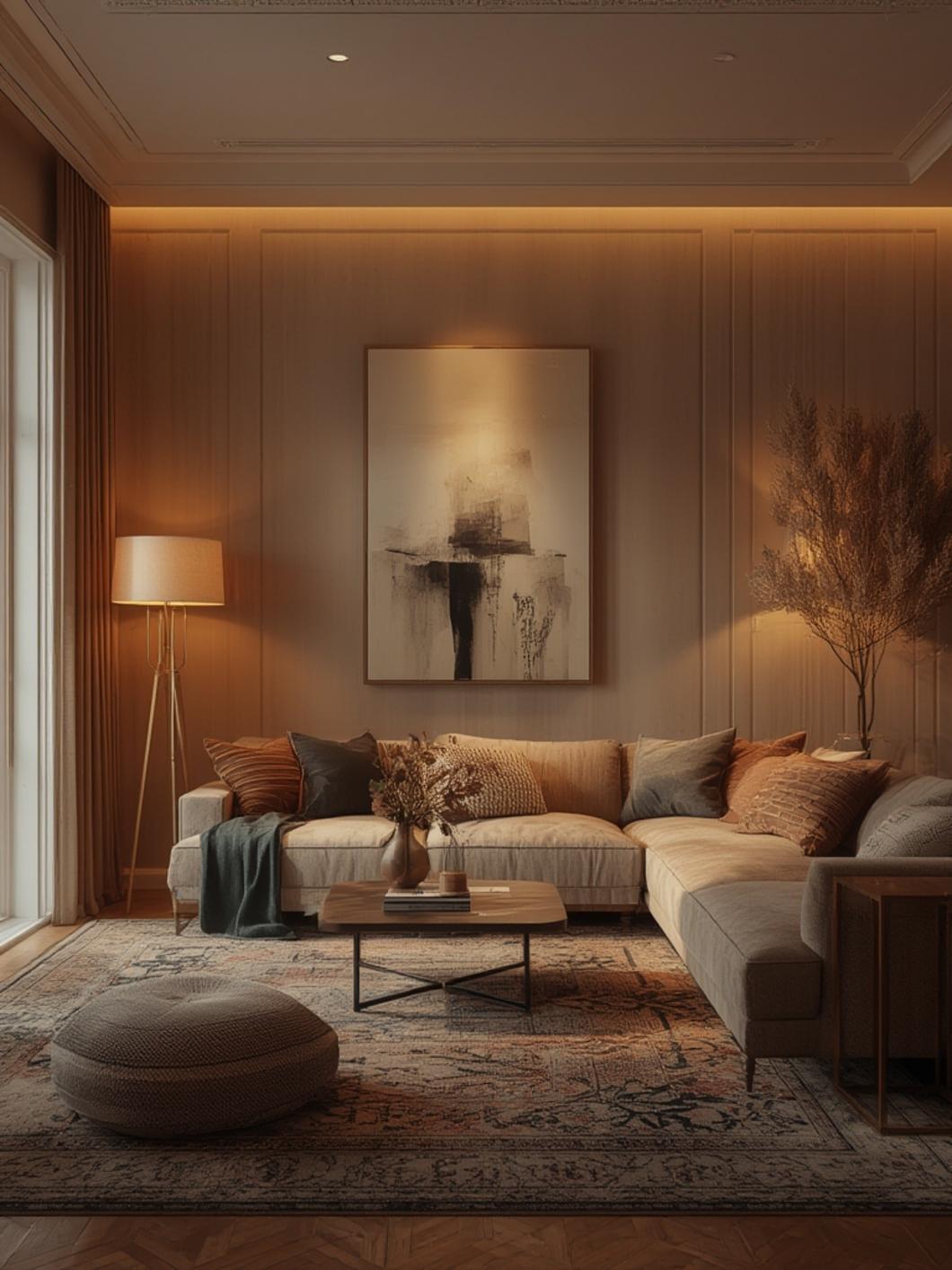
Even the best living room lighting design can be undermined by common errors. Here’s what to watch out for:
1. Relying on a Single Overhead Light: This creates harsh shadows and a flat, uninviting atmosphere. Solution: Always layer your light sources.
2. Wrong Bulb Temperature: Using cool, blue-toned bulbs (5000K+) in a living room feels clinical. Solution: Stick to warm white (2700K-3000K) for a cozy feel.
3. Ignoring Scale: A tiny fixture over a large sofa looks lost; a massive chandelier in a small room overwhelms. Solution: Measure your room dimensions and furniture before buying.
4. Poor Rug Sizing: A rug that “floats” in the middle of the floor chops up the furniture layout. Solution: Ensure at least the front legs of all furniture in the seating area sit on the rug.
5. Overlooking Dimmers: Lighting that is stuck on “full blast” limits versatility. Solution: Install dimmers on every circuit.
Maintenance & Upkeep Tips
To keep your space looking fresh and your lighting functioning well:
- Dusting Fixtures: Use a microfiber cloth to dust lampshades and bulbs monthly. Turn off power before cleaning hard-to-reach fixtures.
- Fabric Care: Vacuum rugs and upholstery weekly. Spot-clean spills immediately to prevent staining.
- Seasonal Updates: Swap out throw pillows and light curtains (heavy for winter, sheer for summer) to refresh the look without major changes.
- Bulb Check: LED bulbs last long but do degrade. Check your fixtures every 6 months and replace any bulbs that have dimmed or changed color temperature.
- Rearranging: Every 6-12 months, try shifting your furniture layout slightly. It’s a free way to breathe new life into the room and discover new interior styling possibilities.
Conclusion
Styling your home is a journey of self-expression. By mastering the balance of furniture layout, color palettes, and textures, you create a sanctuary that reflects your personality. The most impactful change you can make is investing in a thoughtful living room lighting design, as it dictates how every other element is perceived.
Start small, perhaps by adding a floor lamp or installing a dimmer, and watch how your space transforms. Try these living room lighting ideas today and share your stunning before-and-after photos with us we can’t wait to see your creativity shine!
FAQs
What is the best color temperature for living room lighting?
For a cozy and inviting atmosphere, aim for warm white bulbs between 2700K and 3000K. This temperature enhances home decor colors and reduces eye strain compared to cooler, bluer light.
How can I style a small living room on a budget?
Focus on vertical space for wall decor, use mirrors to reflect light, and choose multi-functional furniture. For lighting, floor lamps are great because they don’t take up surface area. Thrift stores offer affordable decor items that can be spray-painted to match your color palettes.
Do I need a professional electrician to install new fixtures?
If you are simply replacing an existing fixture with a similar weight and box, it’s often a DIY project. However, if you are adding new circuits, moving outlets, or installing heavy chandeliers, hiring a licensed electrician is recommended for safety and code compliance.
How do I choose the right rug size?
A common rule is that the rug should be large enough to fit under all the front legs of your sofa and chairs. In larger rooms, the entire furniture arrangement should sit on the rug. Measure your furniture layout with painter’s tape on the floor before shopping.
Can I mix metal finishes in my living room?
Yes! Mixing metals adds depth and interest. A good rule of thumb is to use one dominant metal (e.g., brushed nickel on the ceiling fixture) and one accent metal (e.g., brass on table lamps and picture frames). Keep the finishes consistent within the same lighting fixture.