
Have you ever walked into a room and felt something was missing, even when the furniture was expensive? The culprit is often the “blank canvas” syndrome those vast, undecorated walls that make a space feel cold and impersonal.
Transforming your walls is the secret weapon of interior styling, instantly adding personality and depth without a costly renovation. Whether you are looking to create a gallery focal point or simply add a touch of color, mastering the art of vertical design is essential. In this guide, we will explore the best living room wall decor ideas to help you curate a space that feels truly like home.
Materials & Decor Items
To achieve a professional-looking result, you need to gather the right supplies. Here is a breakdown of what you will need, from structural pieces to decorative accents:
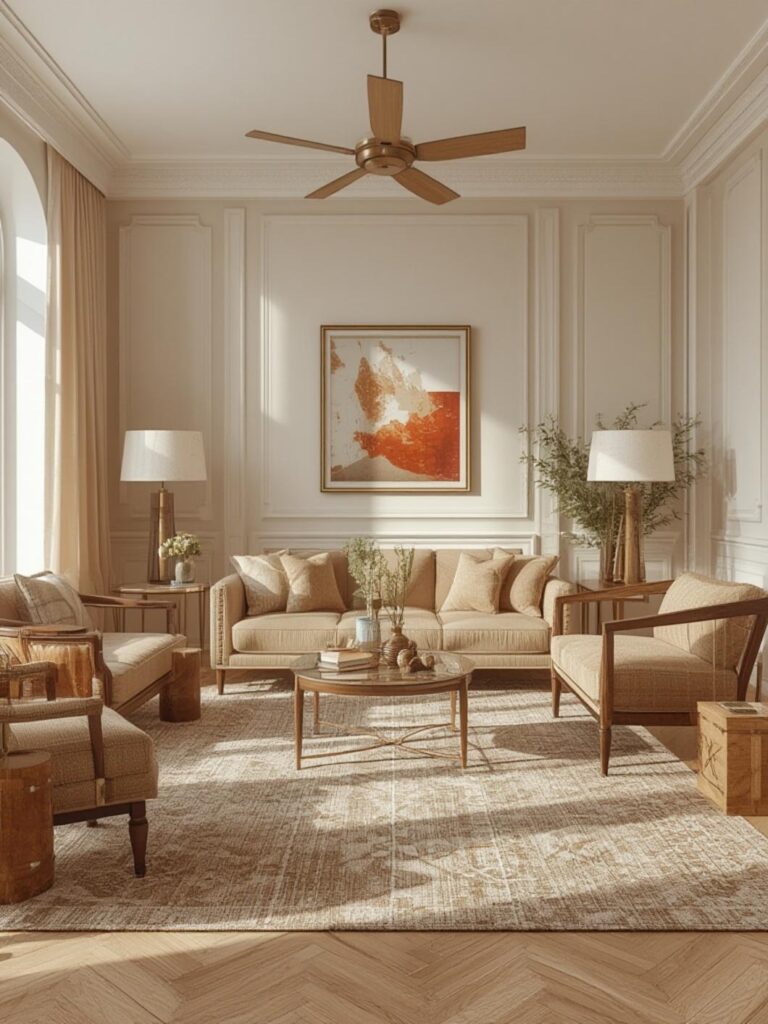
- Wall Art & Frames: This is the centerpiece. Options include large canvas prints, framed photography, or a mix of thrifted mirrors. For a cohesive look, stick to a consistent color palette within your art.
- Shelving: Floating shelves (wood or metal) allow you to display 3D objects like plants, books, and ceramics. Ledges are great for leaning art.
- Paint or Wallpaper: If you are up for it, an accent wall with a bold color or textured wallpaper creates instant depth.
- Hanging Hardware: Heavy-duty picture hooks, a level, painter’s tape, and a measuring tape are non-negotiable for safety and alignment.
- Textiles: Woven wall hangings or macramé add softness and texture, which is excellent for acoustics and warmth.
- Lighting: Sconces or directional track lighting to highlight specific pieces of art.
- Optional/Affordable Alternatives:
* Washi tape for creating temporary photo grids (rental-friendly).
* Thrift store frames painted in a uniform color.
* Fabric remnants stretched over canvas frames for custom abstract art.
Planning & Styling Timeline
Proper planning prevents a chaotic project. We’ve broken down the time commitment so you can decide if you need a weekend refresh or a month-long makeover.
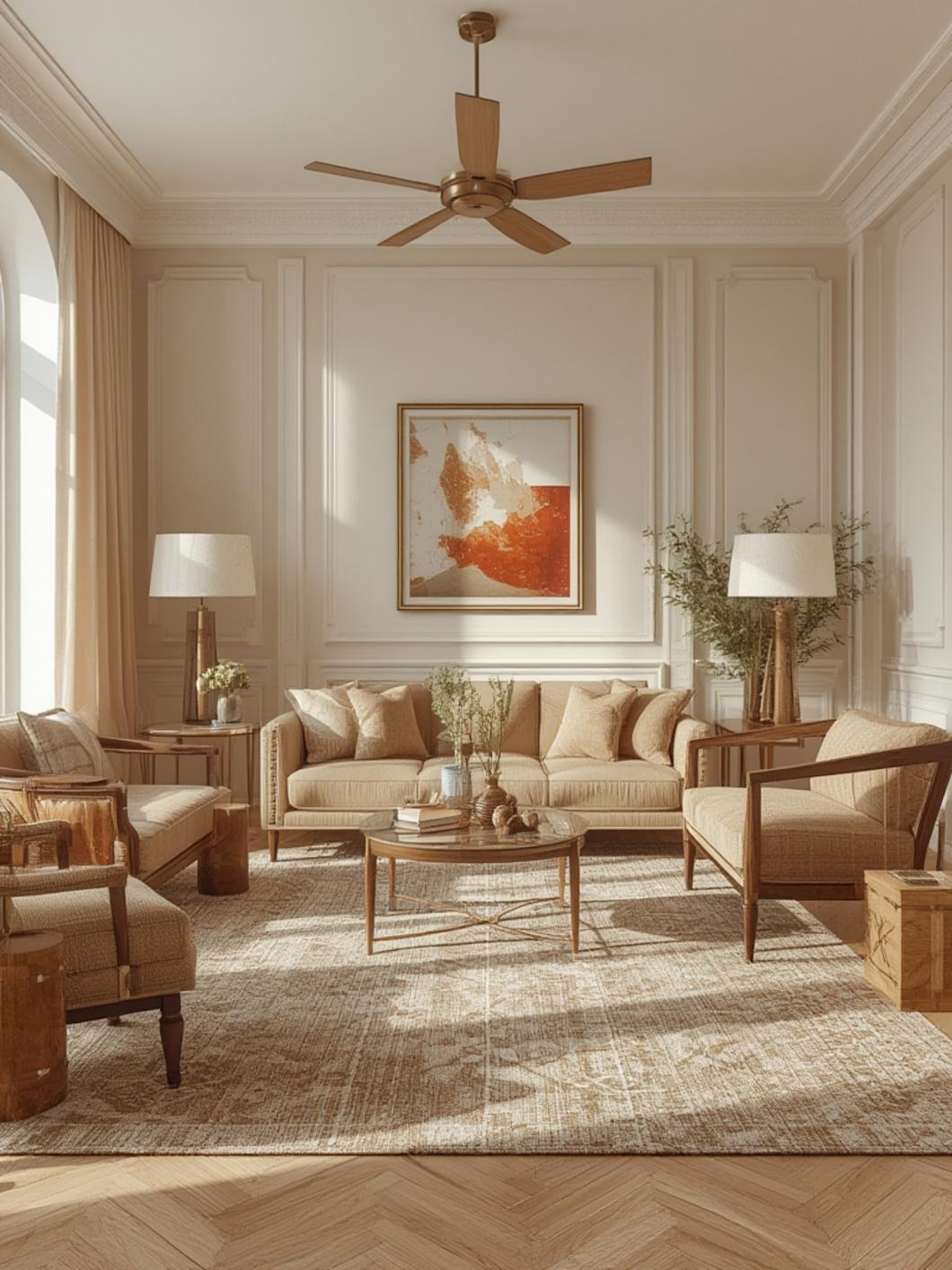
The Quick Refresh (3–5 Hours):
- Planning: 30 mins (measure walls, choose existing items).
- Shopping: 1 hour (pick up paint or a statement mirror).
- Execution: 2–3 hours (painting one wall or hanging a gallery cluster).
The Full Makeover (1–2 Weeks):
- Planning & Sourcing: 1 week (ordering custom art, sourcing vintage items).
- Prep: 2 hours (cleaning walls, patching holes).
- Installation: 4–6 hours (installing heavy shelving, sconces, and arranging layouts).
Tip: If you are unsure about a layout, cut out paper shapes of your art and tape them to the wall before hammering any nails.
Step-by-Step Instructions
Follow these steps to curate a wall that looks balanced and professionally styled. This process focuses on the principles of modern living room wall decor ideas, emphasizing symmetry and scale.
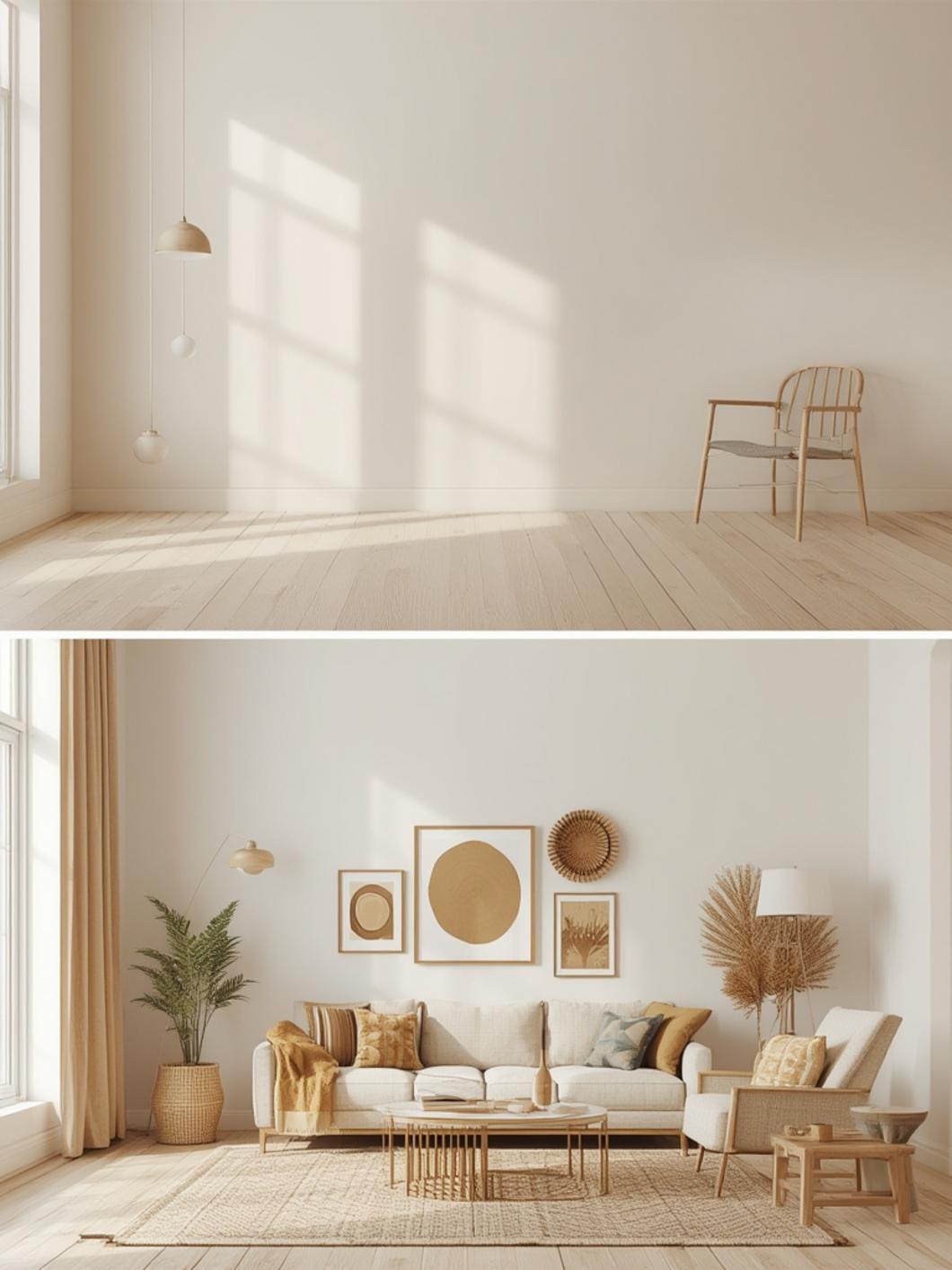
1. Measure and Map: Measure the width of your wall and the furniture below it. Your arrangement should generally be no wider than the furniture it hangs over. Use painter’s tape to mark the boundaries of your potential arrangement on the floor first.
2. Establish a Focal Point: Decide on your anchor piece. This is usually the largest item, such as a mirror or a large canvas. It should be hung at eye level (roughly 57–60 inches from the floor to the center of the art).
3. Create a Gallery Grid: If you are using multiple pieces, lay them out on the floor. To keep them looking unified, ensure there is a consistent gap (2–3 inches) between all frames.
4. Incorporate Texture: Don’t just use flat art. Install a floating shelf and layer a small framed print behind a vase or sculpture. This adds dimension to the modern living room wall decor ideas you are trying to achieve.
5. Lighting Integration: Place a directional lamp or sconce nearby. Good lighting is a crucial part of interior styling, as it prevents shadows and highlights the textures of your wall hangings.
6. Final Installation: Hammer your nails or install anchors. Use a level for every single piece to avoid a crooked look.
Benefits & Advantages
Why go through the trouble of styling your walls? The payoff is significant:
- Visual Expansion: Vertical lines in wall decor can make ceilings look higher and rooms feel larger.
- Personality Injection: Walls are the perfect place to tell your story without cluttering floor space with too much furniture.
- Mood Enhancement: The right colors and art can stimulate creativity or induce calmness, depending on the aesthetic.
- Acoustic Benefits: Using textiles, canvases, or shelving helps to break up sound waves, reducing echo in the room.
Tips, Alternative Styles, or Styling Advice
Not every wall decor style suits every home. Here are some variations to consider based on your space and needs:
- Scandinavian: Focus on white space. Use light wood frames, simple line art, and plenty of breathing room between pieces.
- Boho: Mix and match textures. Think macramé, rattan mirrors, and warm earth tones. Don’t worry about perfect symmetry.
- Maximalist: Embrace the “more is more” philosophy. Use bold wallpaper patterns and layer frames of various sizes.
- Small Spaces/Apartments: Utilize vertical space. Tall, narrow shelving units draw the eye upward. Use command strips for lightweight items to avoid damaging landlord property.
Common Decorating Mistakes to Avoid
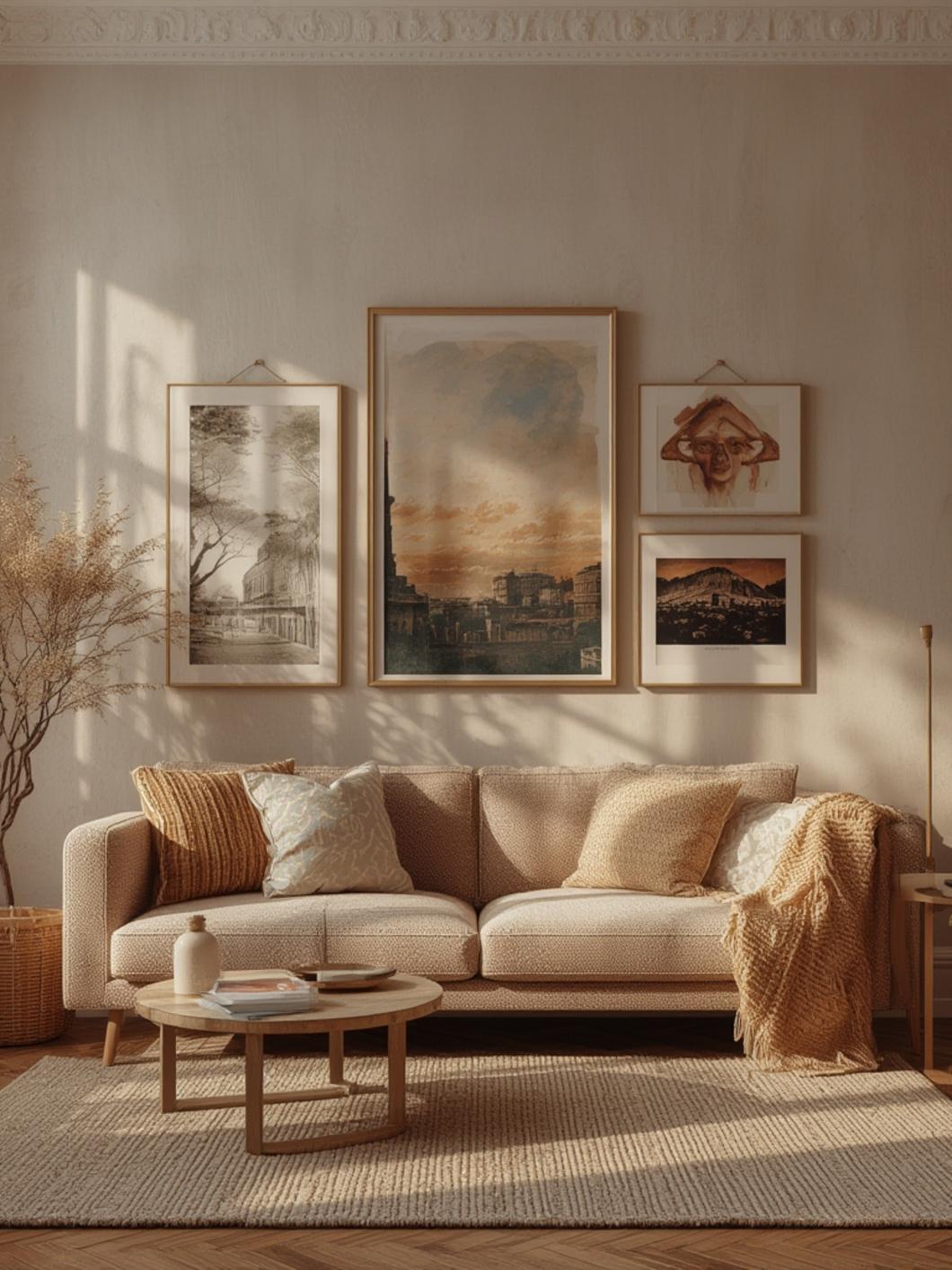
Even the best living room wall decor ideas can fail if executed poorly. Watch out for these pitfalls:
1. Hanging Art Too High: The most common mistake. If you have to look up, it’s too high. Keep the center of the art at eye level.
2. The “Floating Island”: When hanging a group of photos, anchor them together. Don’t scatter them randomly across the wall, which makes the room look disjointed.
3. Ignoring Scale: A tiny picture over a huge sofa looks lost. Aim for art that takes up about 2/3 to 3/4 of the width of the furniture beneath it.
4. Clashing Frames: Unless you are intentionally going for an eclectic look, stick to a maximum of two frame finishes (e.g., all black, or all natural wood).
Maintenance & Upkeep Tips
To keep your walls looking fresh and curated:
- Dusting: Use a microfiber cloth to dust frames and shelves weekly. Vacuum wall hangings gently to remove dust buildup.
- Rotation: Every season, swap out a few items. This keeps the room feeling new without spending money. Put away heavier textures in summer and bring them back in winter.
- Fading: If your walls receive direct sunlight, rotate artwork regularly to prevent uneven fading of the colors and fabrics.
- Hardware Check: Occasionally check that heavy frames are secure, especially in homes with pets or children.
Conclusion
Styling your walls is an impactful way to elevate your interior styling and transform a generic room into a personalized sanctuary. By balancing furniture layout, color palettes, and the right lighting, you can create a cohesive look that enhances the architecture of your home.
Remember to take your time with the planning phase and measure twice before hanging. Whether you are aiming for a gallery wall masterpiece or a single statement piece, the effort you put into your vertical spaces pays dividends in comfort and style. Start today by assessing your largest wall and visualizing its potential.
FAQs
How do I choose the right art for my wall?
Choose art that resonates with you emotionally. For a cohesive look, select pieces that share a common color or theme with your existing furniture and textiles.
Can I decorate a rental apartment without damaging the walls?
Absolutely. Use command strips for lightweight frames, washi tape for photo grids, and lean large mirrors or canvases against the wall on top of sturdy furniture.
What is the best height to hang a TV and art together?
Ideally, the center of the TV screen should be at eye level when seated (approx. 42 inches from the floor). If hanging art above the TV, ensure there is at least 6–8 inches of space between the top of the TV and the bottom of the frame to avoid a cluttered look.
How do I make my gallery wall look cohesive?
Stick to a limited color palette for the frames (e.g., all black and white, or all wood tones). Also, maintain a consistent spacing of 2–3 inches between all frames.
What if I have very high ceilings?
You have a great opportunity! Fill the vertical space by using tall bookcases, hanging curtains as high as possible (to the ceiling), or creating a multi-story gallery wall that draws the eye upward.