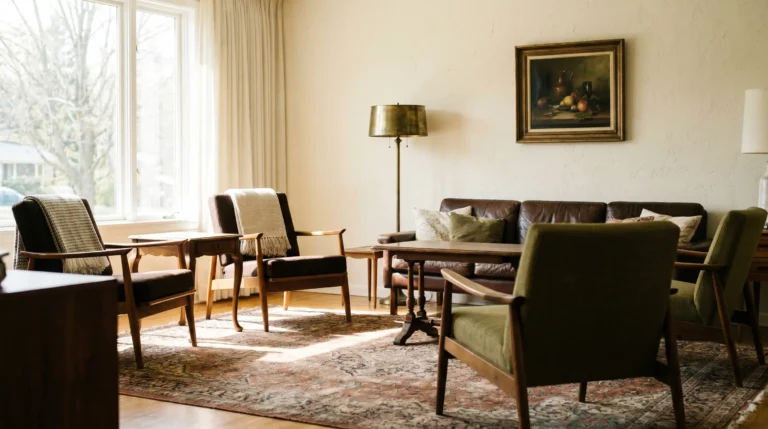
For most of the last decor, interior design chased one goal: clean, minimal, and matching. White walls, streamlined furniture, nothing out of place. That era is fading fast. In 2026, vintage home decor has moved from niche thrifting hobby to one of the most searched and most styled trends in interior design, and for good reason. Vintage pieces bring a level of craftsmanship, character, and warmth that mass-produced furniture simply can’t replicate.
This guide breaks down exactly what vintage home decor means today, why designers are calling it one of the defining looks of the year, and how to bring it into every major room of your home, from the bedroom to the living room to the kitchen.
What “Vintage Home Decor” Actually Means in 2026
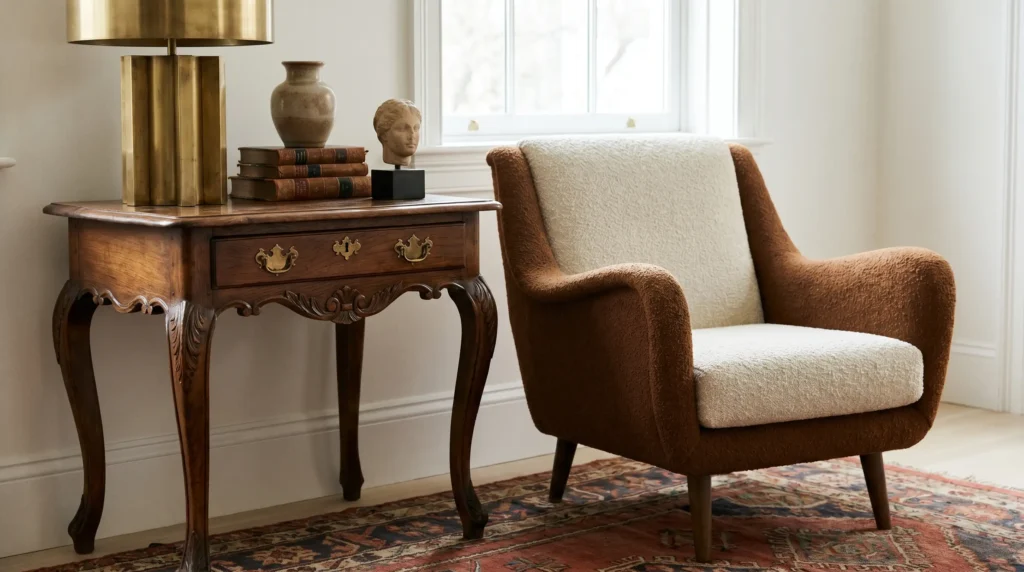
Vintage home decor isn’t about recreating a single decade. It’s a mixing philosophy: blending furniture, lighting, and accents from different eras into a space that feels collected over time rather than bought in one trip. A mid-century armchair, a Victorian mirror, and a 1970s glass lamp can all live in the same room if the proportions, materials, and colors are balanced thoughtfully.
What’s driving the renewed interest isn’t just nostalgia. Rising prices for new furniture have pushed many homeowners toward secondhand and antique pieces as a genuinely practical alternative, not just an aesthetic one. At the same time, design culture has shifted away from showroom-perfect spaces toward homes that feel personal, layered, and lived-in, which is exactly what vintage pieces deliver.
Why Vintage Is Replacing Minimalism
The End of the All-White Era
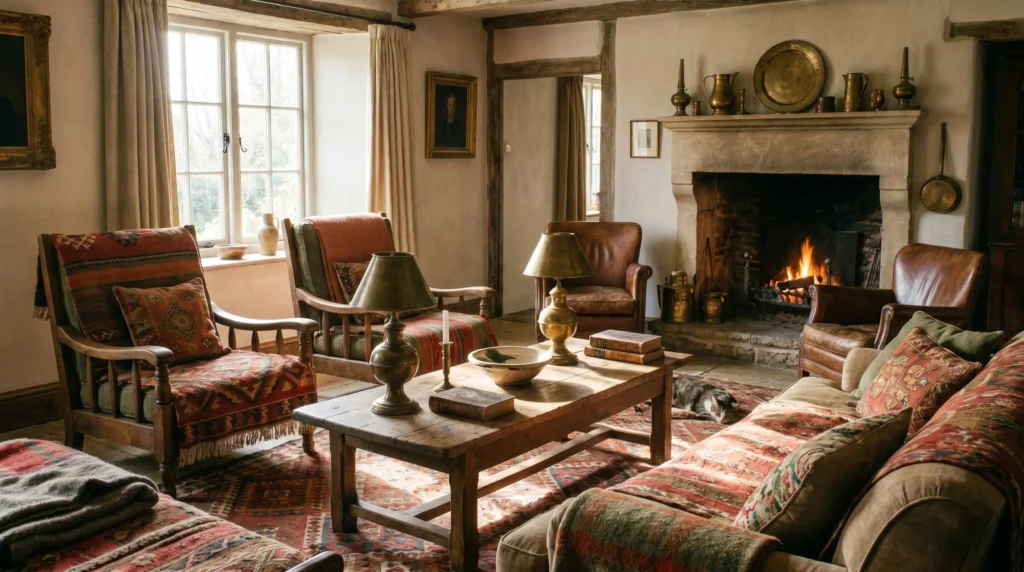
For years, an all-white, all-neutral palette was the safe default. Designers are now actively moving away from it, calling out sterile, overly curated rooms as the look to leave behind. Vintage decor fills that gap naturally: aged wood, patinated brass, and faded textiles introduce depth and warmth that flat white walls can’t.
Craftsmanship Over Mass Production
Older furniture was often built to last, with solid wood joinery, hand-finished details, and materials that simply aren’t used in budget furniture today. That difference is visible and tactile, which is part of why carved accents, beaded edges, and furniture-style cabinetry are making a comeback in kitchens and living rooms alike.
A Reaction to Trend Fatigue
Trend cycles move faster than ever, and many homeowners are tired of redecorating every time a new aesthetic goes viral. Vintage pieces sidestep that problem entirely. A well-chosen antique doesn’t go out of style, because it was never tied to a single trend in the first place.
Key Elements of Vintage Home Decor
Vintage Color Palettes
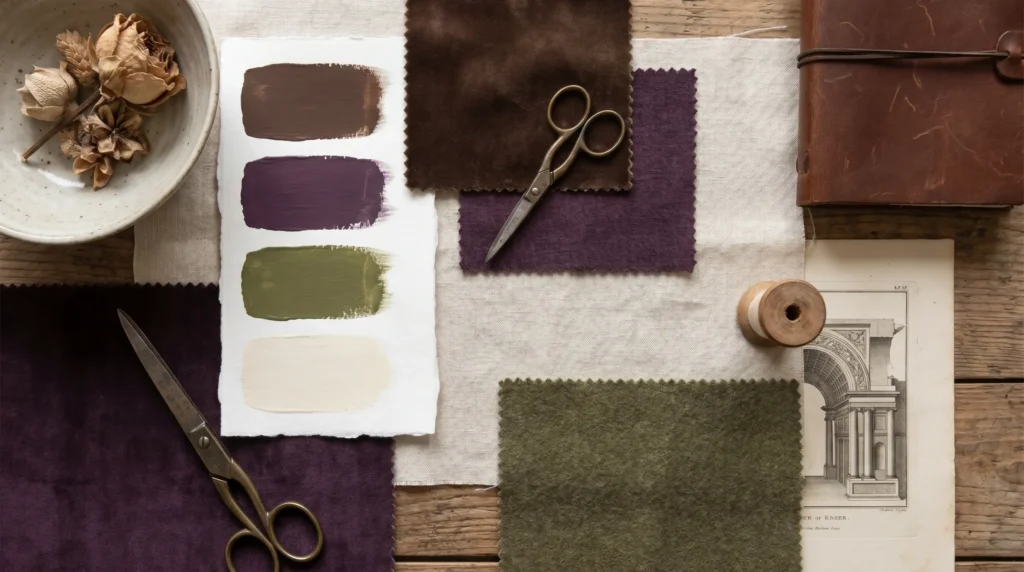
Vintage-inspired palettes lean warm and muted: steely blue, eggplant, forest and olive green, muddy browns, and creamy off-whites. Chocolate brown in particular has surged in popularity among design professionals, prized for its rich, moody, natural feel. These tones pair easily with the wood and brass finishes that define the look.
If you’re not sure where to start, our free color palette generator can build a vintage-friendly palette around a mood or seed color in seconds, complete with hex codes you can hand straight to a painter.
Vintage Furniture and Materials
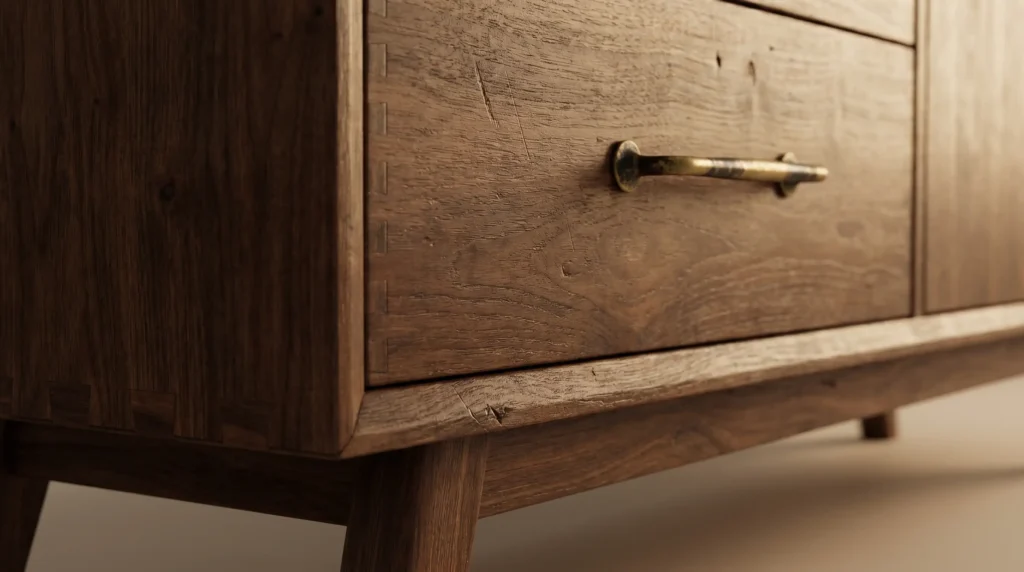
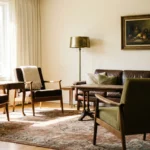
Mid-century modern remains the most consistently popular vintage furniture style, but darker, richer woods like mahogany and walnut are gaining ground after years of pale oak dominating the market. Look for solid wood construction, tapered legs, and hardware with real patina rather than artificially distressed finishes.
Vintage Lighting
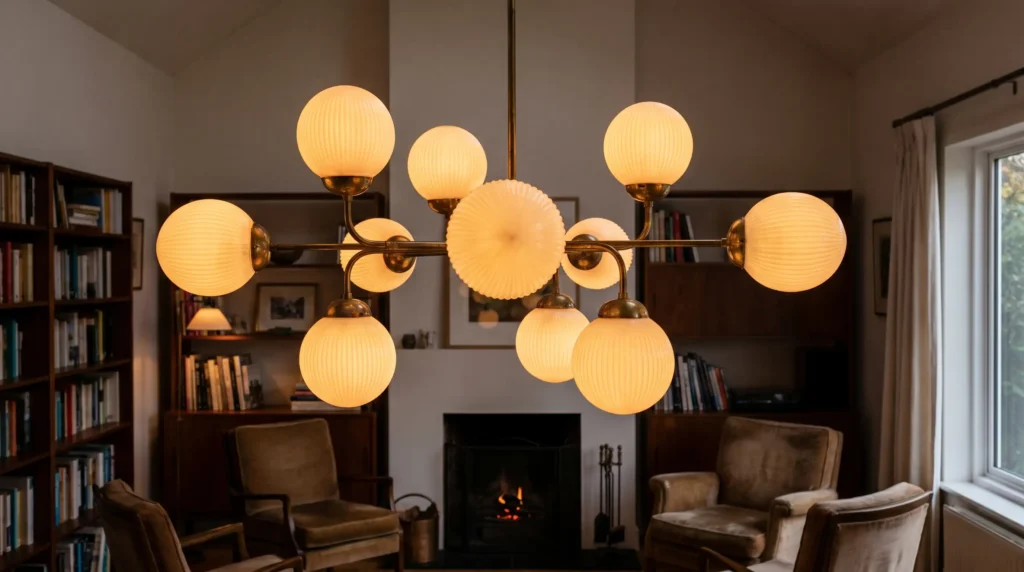
Lighting is one of the easiest ways to add vintage character without committing to a full furniture overhaul. Milk glass pendants, sculptural mid-century sconces, and antique chandeliers all add instant warmth and a sense of history to a room, whether it’s a kitchen, hallway, or living room.
Vintage Patterns and Textiles
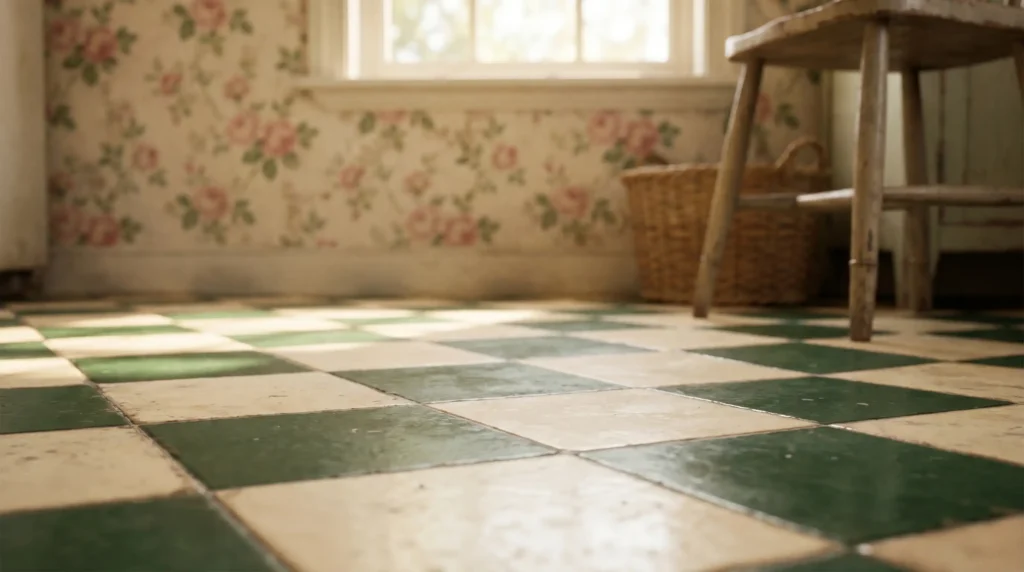
Florals, checkerboard motifs, and all-over pattern drenching on wallpaper are all having a moment. Searches for checkerboard flooring alone have grown significantly in the past year. These patterns work especially well layered with solid vintage furniture pieces, which keep a busy pattern from feeling overwhelming.
How to Style Vintage Decor Room by Room
Vintage decor looks different depending on the room, both in terms of which pieces work and how much of the look you want to commit to. Here’s how to approach the three rooms where it makes the biggest impact.
Bedroom
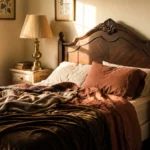
In the bedroom, vintage decor tends to center on textiles and a single statement furniture piece, like a carved headboard or an antique dresser. For a full room-by-room breakdown, see our guide to vintage home decor ideas for a cozy bedroom.
Living Room
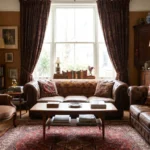
The living room is where vintage decor can go the furthest, mixing antique seating, collected accessories, and layered patterns into a space that feels curated rather than staged. Our full guide covers how to balance these elements: vintage home decor ideas for the living room.
Kitchen
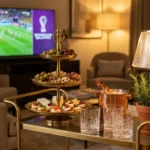
Kitchens benefit from vintage decor in smaller, more targeted doses: lighting, hardware, and a few standout accessories rather than a full overhaul. We’ve covered this in detail in 10 stunning vintage kitchen decor styles for every home, which walks through everything from farmhouse to industrial vintage looks.
Where to Find Vintage and Antique Pieces
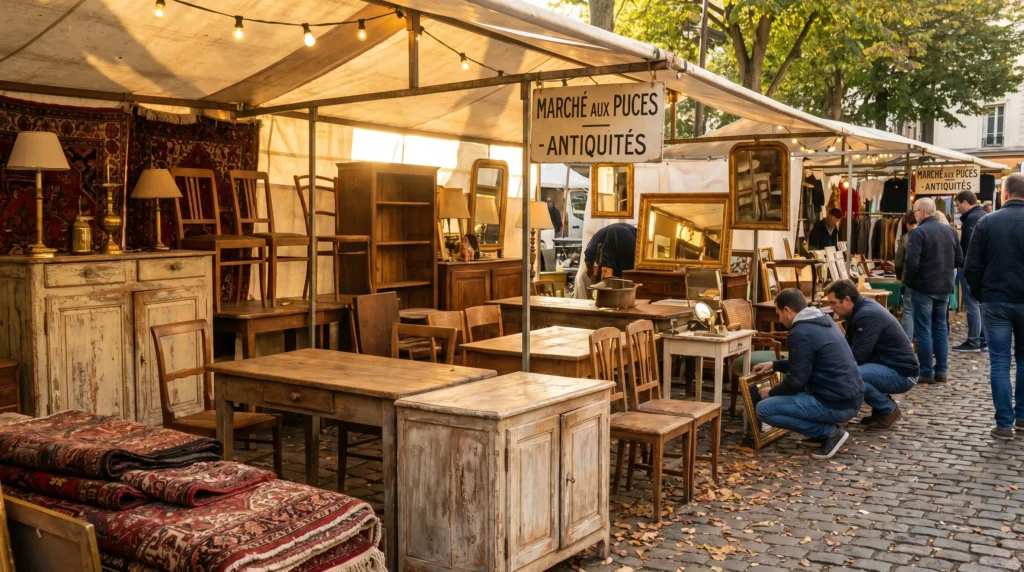
- Estate sales: Often the best source for genuine, well-made antique furniture and lighting at reasonable prices.
- Thrift and consignment stores: Reliable for smaller accent pieces, glassware, and the occasional furniture find.
- Online vintage marketplaces: Platforms like 1stDibs and Etsy specialize in authenticated vintage furniture and lighting, including pieces that may need professional rewiring.
- Local auctions: A good source for larger furniture pieces, often at a fraction of new retail prices.
Common Mistakes to Avoid
Going Full Theme Instead of Mixing Eras
A room furnished entirely from one decade can read more like a museum exhibit than a home. The strongest vintage interiors mix eras and styles, anchored by one or two standout pieces rather than a uniform look.
Ignoring Scale and Proportion
Vintage furniture was often built for smaller homes and different room layouts. Always measure before buying, especially for larger pieces like sofas, armoires, and dining tables.
Skipping Safety Checks on Vintage Lighting and Electronics
Antique lighting fixtures often need rewiring before they’re safe to use. Have a professional inspect any vintage lamp, sconce, or chandelier before installing it in your home.
Start Building Your Vintage Look
Vintage home decor works because it doesn’t ask you to follow a single rulebook. It rewards patience, a good eye, and a willingness to mix pieces from different eras until a room feels like yours. Start with one room, one statement piece, or even just a new color palette, and build from there.
Explore our room-specific guides for the bedroom, the living room, and the kitchen, or try our free interior design tools to start planning your palette today.