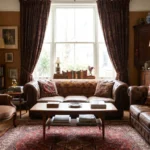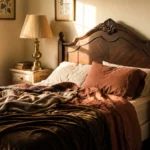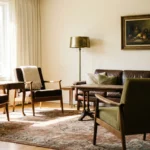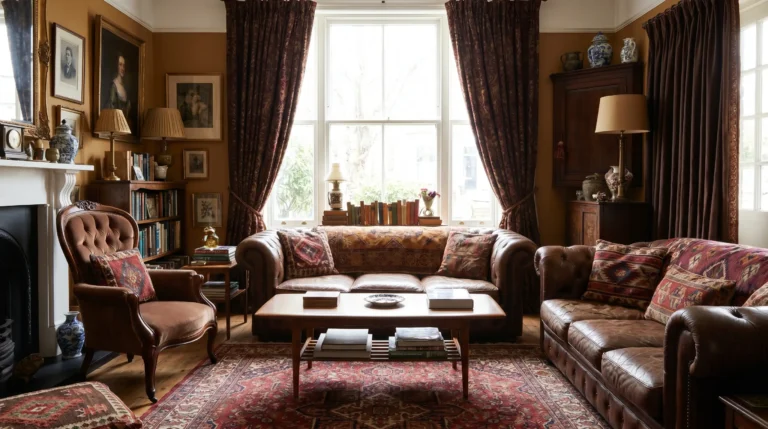
The living room is where vintage home decor can go the furthest. It’s the room guests actually see, the one that gets the most use, and the one with enough square footage to layer multiple eras, textures, and statement pieces without feeling cramped. Done well, a vintage living room feels collected rather than staged, like every piece has a story even if it was bought last month.
Here’s how to bring vintage home decor into your living room, from anchor furniture pieces to the small details that pull the whole look together.
Why the Living Room Is the Best Place to Go Bold With Vintage
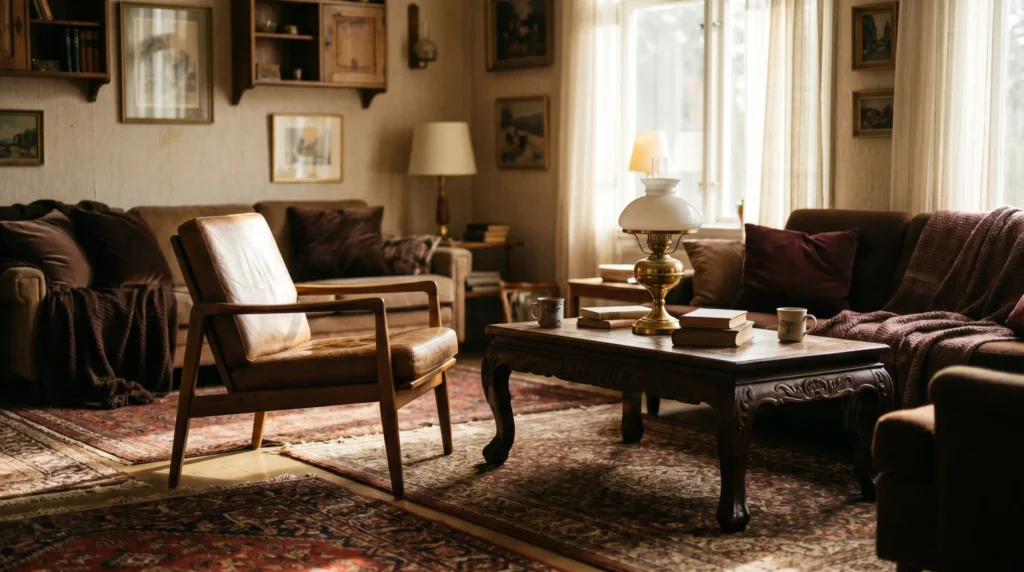
Unlike a bedroom, the living room has to function for more than one person and more than one purpose, which is exactly why it can support a more maximalist, layered vintage approach. Designers have been calling out a strong shift toward eclecticism and maximalism in living spaces this year, and vintage furniture is the easiest way to build that look without it feeling chaotic, since older pieces were often designed with a level of craftsmanship and proportion that keeps even a busy room feeling intentional.
For a broader look at where the room is trending overall, see our guide to 50 beautiful living room decor ideas in 2026, which covers styles vintage decor pairs well alongside.
Vintage Living Room Furniture Ideas
An Anchor Seating Piece
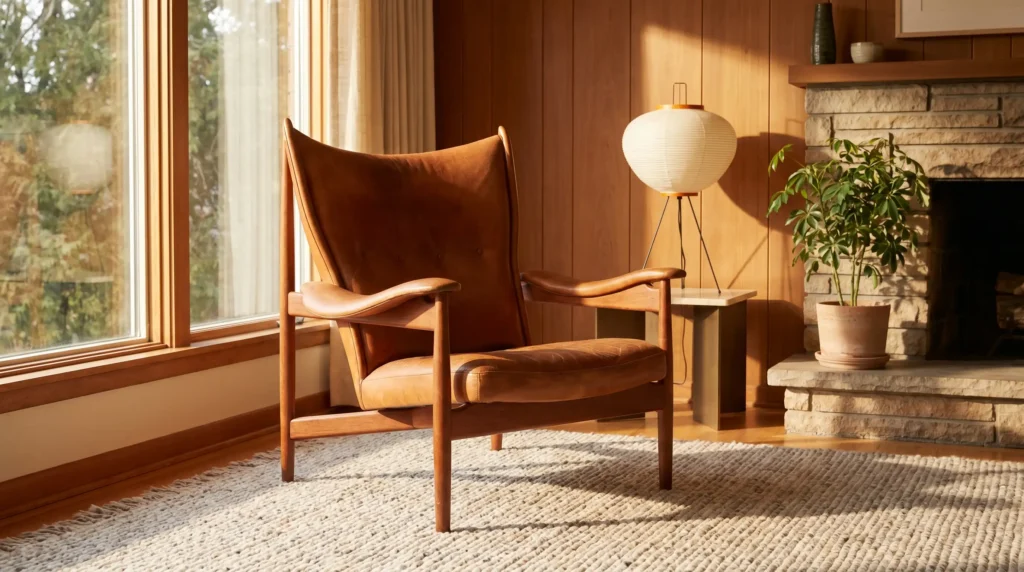
Every vintage living room needs one seating piece that does the heavy lifting: a mid-century lounge chair, a curved Chesterfield sofa, or a velvet wingback. Choose this piece first and build the rest of the room’s palette and materials around it, rather than trying to match it to furniture you already own.
A Vintage Coffee Table
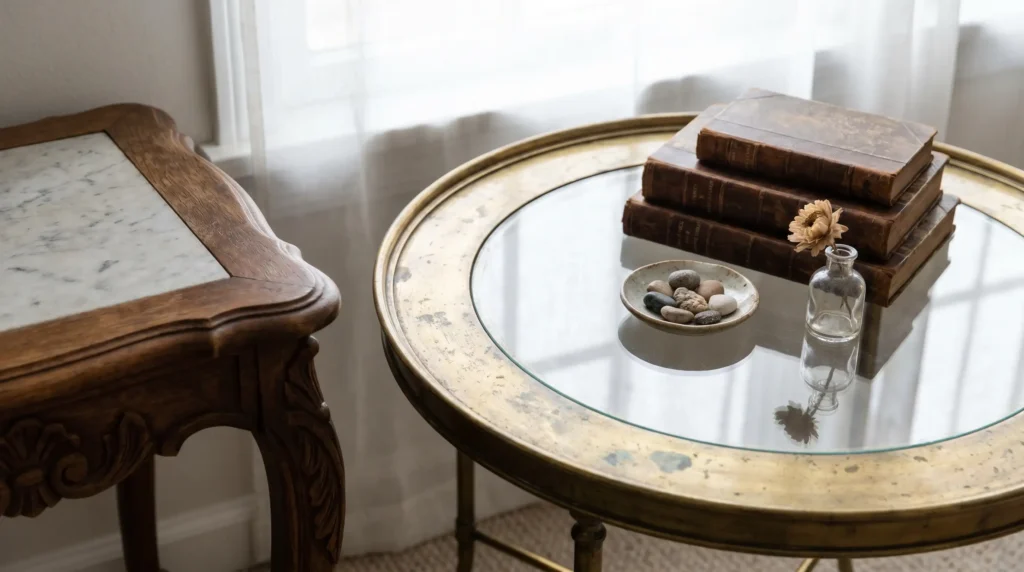
Coffee tables are one of the easiest vintage swaps because they’re a single, contained piece that doesn’t require coordinating with the rest of your seating. A carved wood table, a brass and glass mid-century design, or a marble-topped antique all add instant character to the center of the room.
Mixed Seating Instead of a Matching Set
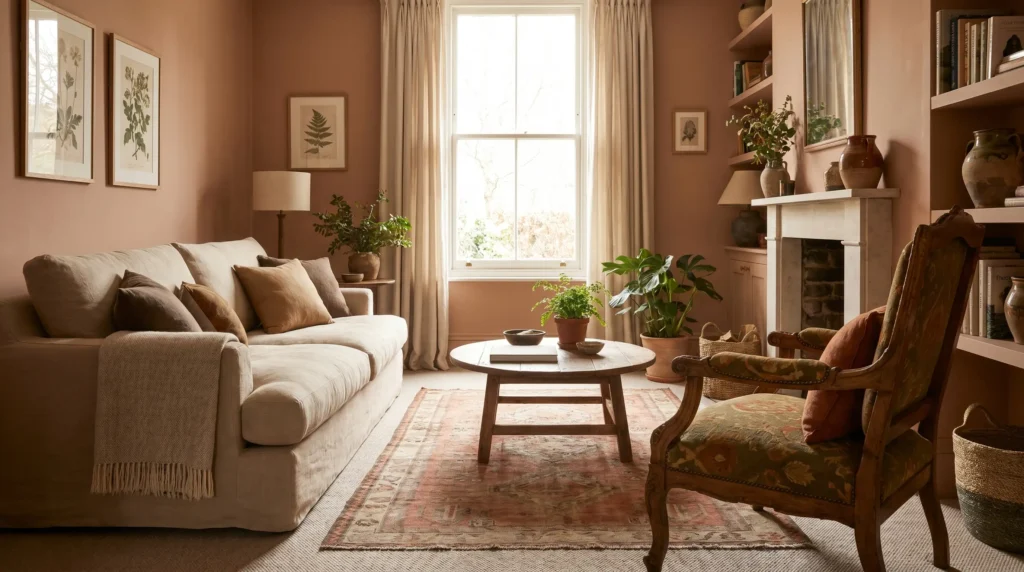
Skip the matching sofa-and-loveseat set. A vintage living room works best when seating is mixed: a newer, more comfortable sofa paired with one or two genuinely old accent chairs. This keeps the room livable while still delivering the collected, layered look that defines the style.
Living rooms can handle richer, deeper colors than bedrooms since they’re rooms for gathering rather than rest. Chocolate brown remains one of the most popular vintage-adjacent colors among designers right now, alongside deep burgundy, forest green, and warm olive. These tones work especially well on a single accent wall or as the base for upholstery, paired with cream or warm white to keep the room from feeling heavy.
Vintage Color Palettes for the Living Room
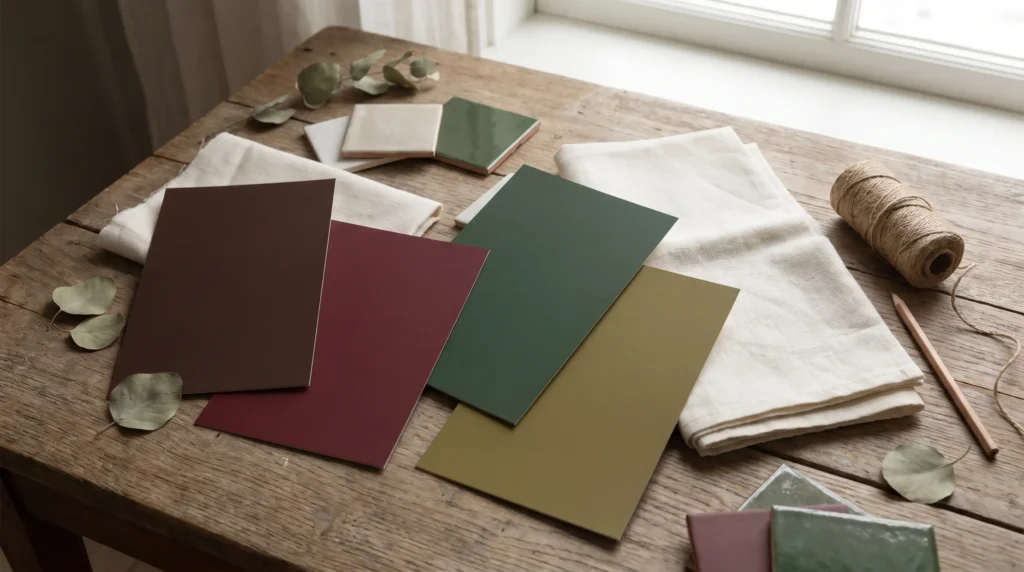
If you want to test a few combinations before committing, our free color palette generator can build a full vintage-leaning palette from a single color, complete with hex codes for paint and fabric shopping.
Layering Pattern and Texture
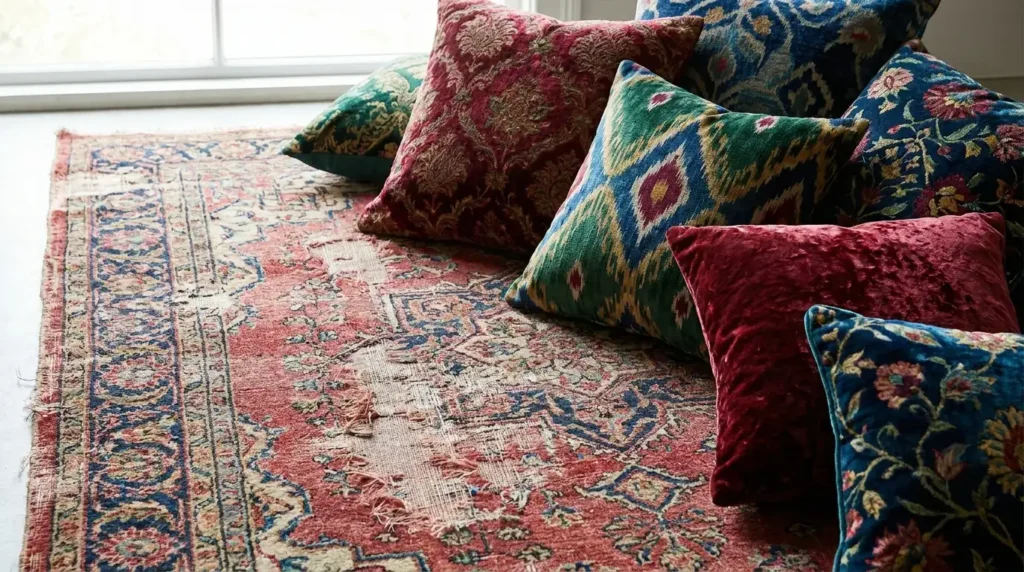
The living room is the best room in the house to layer pattern, and vintage style leans into this rather than away from it. A few combinations that work well together:
- Persian or vintage-style area rugs: A worn, faded rug grounds the room and adds instant age and warmth underfoot.
- Patterned wallpaper: Floral, botanical, or checkerboard wallpaper on a single wall adds depth without overwhelming the whole room.
- Velvet and chenille upholstery: These fabrics read as vintage almost immediately and pair well with both solid and patterned pieces around them.
- Throw pillows in mismatched but coordinated fabrics: Mixing two or three complementary patterns on a sofa is a fast way to add vintage texture without buying new furniture.
Vintage Lighting and Accessories
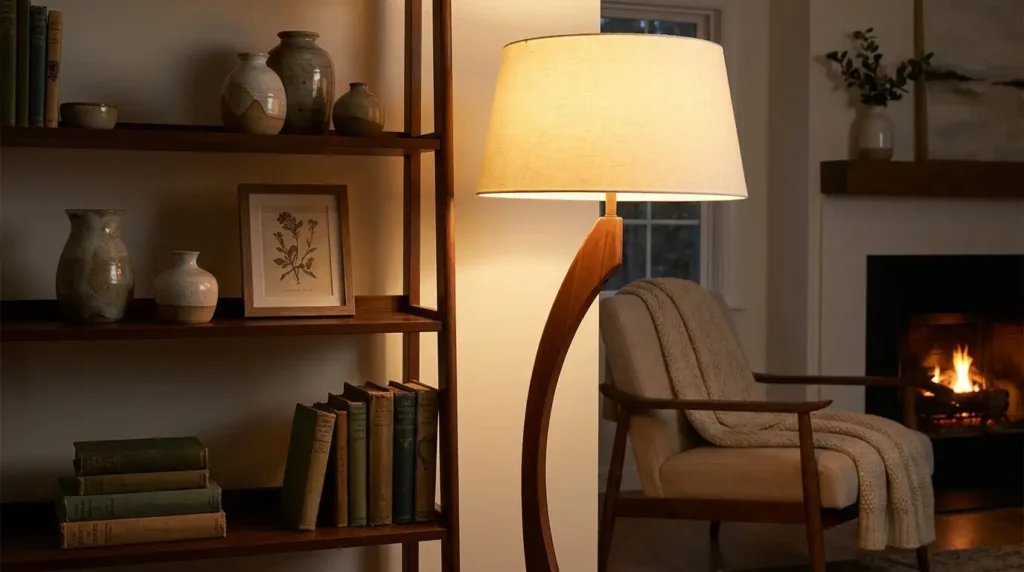
A sculptural floor lamp, a brass and glass table lamp, or an antique chandelier overhead can do more to set a vintage tone than almost any other single purchase. Pair lighting with smaller collected accessories: ceramic vases, framed art, old books, and small decorative objects displayed on shelves or the coffee table. The goal is a room that looks gathered over time, not staged in a single shopping trip.
For more ideas on dressing the walls around your vintage furniture, see our guide to living room wall decor ideas.
Avoiding the Theme Park Effect
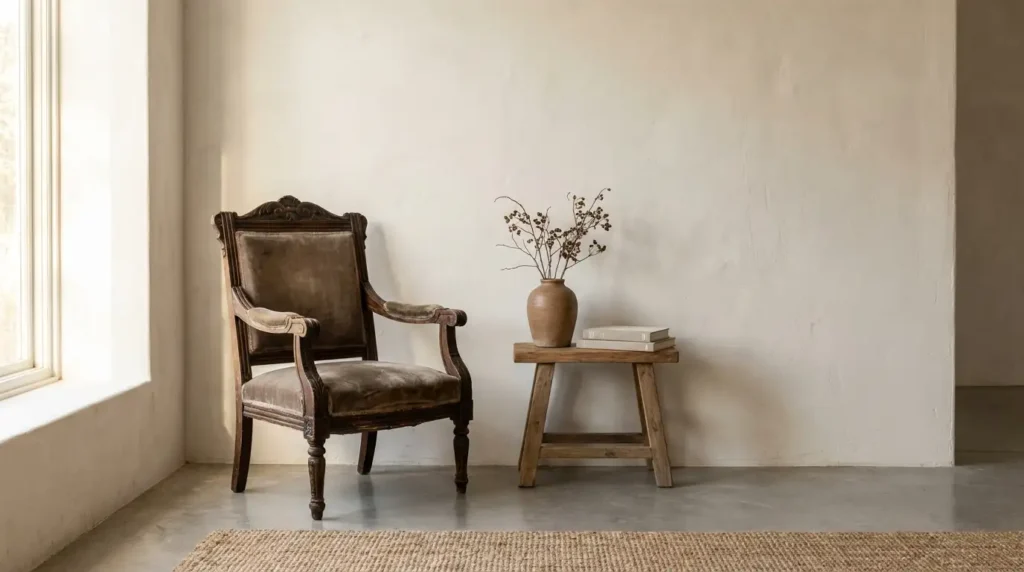
The biggest risk in a vintage living room is going too far in one direction and ending up with a room that looks like a period film set instead of a home. Keep the look balanced by mixing eras rather than committing to one decade, and by leaving some surfaces and walls simple so the standout pieces have room to breathe. One or two genuinely old, high-quality pieces will always read better than a room full of mass-produced “vintage style” furniture.
Bring the Look Together
Start with one anchor piece, whether that’s a sofa, a coffee table, or a single great chair, and build outward from there. The living room rewards patience more than any other room in the house, since the best vintage spaces are genuinely collected over months or years, not assembled in a weekend.
For the full picture of how this style works across your whole home, see our complete guide to vintage home decor, or explore the bedroom and kitchen guides next.