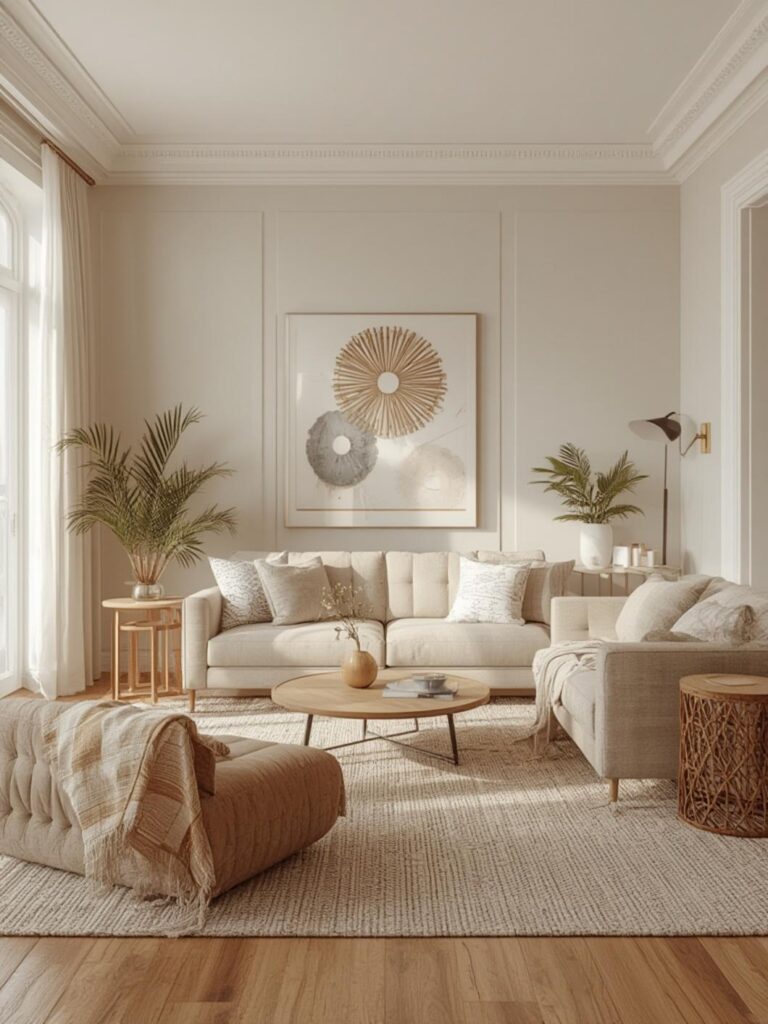
Does your living room feel more like a pass-through zone than a personal sanctuary? Imagine walking into a space that instantly calms your mind and impresses your guests a room where every texture, hue, and light source works in harmony. Transforming your home’s central hub isn’t just about aesthetics; it’s about enhancing your daily life.
Investing in your interior styling boosts mental well-being, increases property value, and creates a functional area for relaxation and entertainment. Whether you have a sprawling open floor plan or a cozy apartment nook, mastering a sophisticated luxury living room design is within reach. This guide breaks down the process into actionable steps, ensuring your space feels curated and high-end without the overwhelming stress.
Materials & Decor Items
To achieve a high-end look, focus on quality over quantity. Here’s a curated list of essentials for your room design:
Furniture:
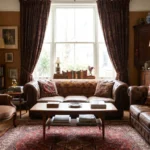
Sofa: A deep-seated velvet or linen sectional in neutral tones (cream, charcoal, or taupe). Affordable alternative:* Look for high-quality faux velvet on Wayfair or IKEA’s velvet collections.
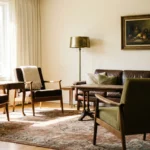
- Accent Chairs: One or two sculptural pieces, such as a mid-century modern leather chair or a boucle swivel chair.
Coffee Table: A marble-top table or a mirrored surface to reflect light. Alternative:* A sleek acrylic table for a modern, budget-friendly option.
- Console Table: For behind the sofa or against a wall; choose walnut or glass.
Lighting:
- Statement Chandelier: A crystal or modern gold fixture for ambient lighting.
- Floor Lamps: Arc lamps for drama or tripod lamps for texture.
- Table Lamps: Ceramic bases with linen shades for soft, warm pools of light.
Textiles & Rugs:
- Area Rug: A large, plush wool or silk-blend rug in a subtle pattern to anchor the furniture layout.
- Curtains: Floor-to-ceiling velvet drapes in a muted jewel tone or heavy linen for texture.
- Throw Pillows & Blankets: Mix velvet, faux fur, and knit textures in complementary color palettes.
Wall Decor & Accessories:
- Artwork: Large-scale abstract prints or framed photography.
- Mirrors: Oversized leaning mirrors to expand the visual space.
- Decorative Objects: Brass candlesticks, crystal vases, and hardcover coffee table books.
- Plants: Fiddle leaf figs or olive trees in ceramic pots for organic structure.
Planning & Styling Timeline
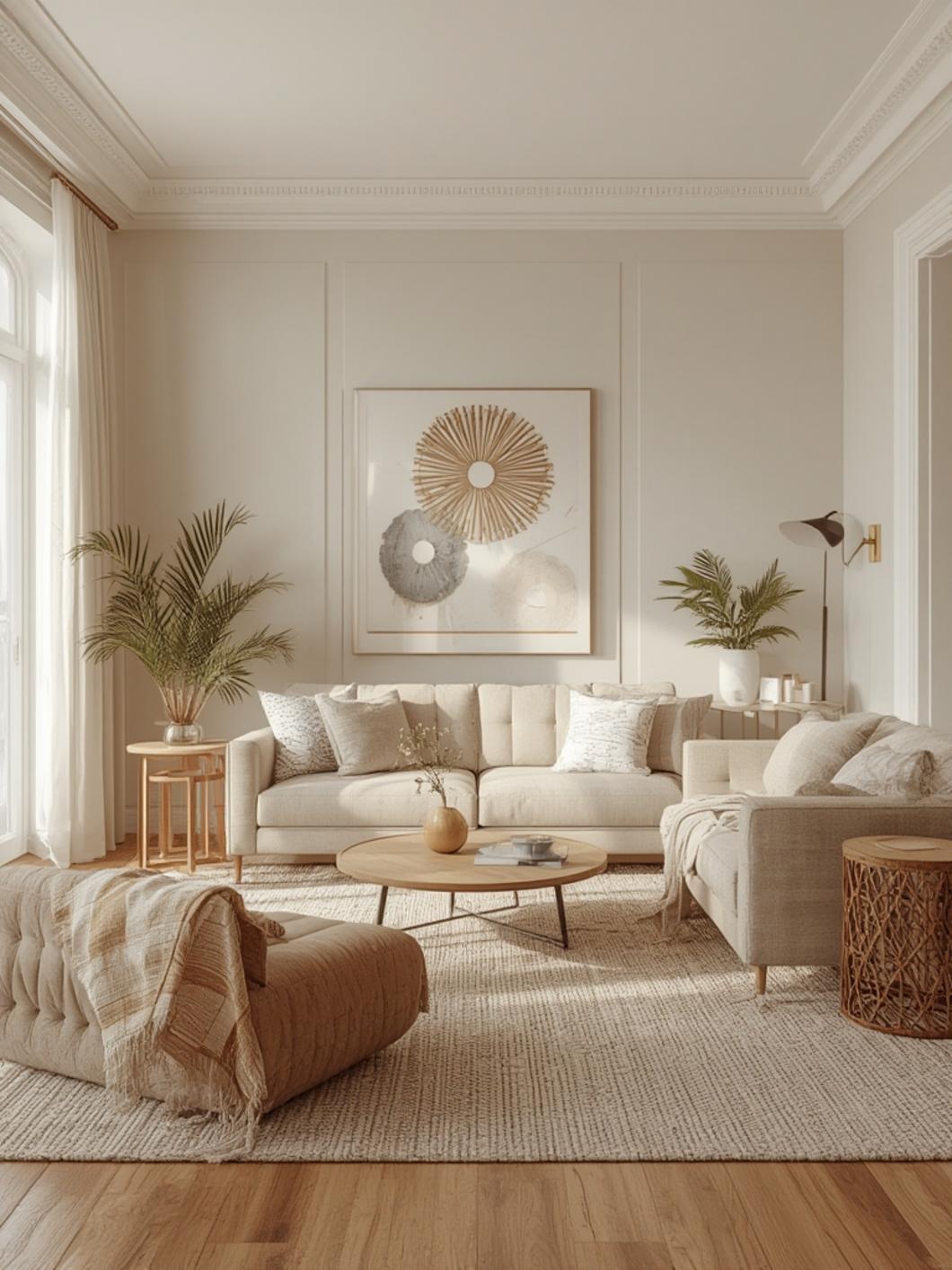
A successful project requires realistic time management. Here is a breakdown of the timeline:
- Preparation & Planning (1-2 Weeks): Measure your space, create a mood board (using Pinterest or Canva), and decide on your core color palette. This is where you visualize the furniture layout.
- Shopping (1-3 Weeks): Lead times for custom furniture can be long. For a luxury living room ideas execution, order big-ticket items first. Hunt for accessories at local thrift stores or vintage markets for unique pieces.
- Styling & Installation (1 Weekend): Once everything is in place, the actual styling takes about 8–10 hours. This includes hanging art, arranging pillows, and adjusting lighting.
Comparison:
Quick Refresh (1 Weekend):* Swap out pillows, add a rug, change lighting, and declutter.
Full Makeover (6–8 Weeks):* Renovation, custom furniture orders, painting, and professional installation.
Step-by-Step Instructions
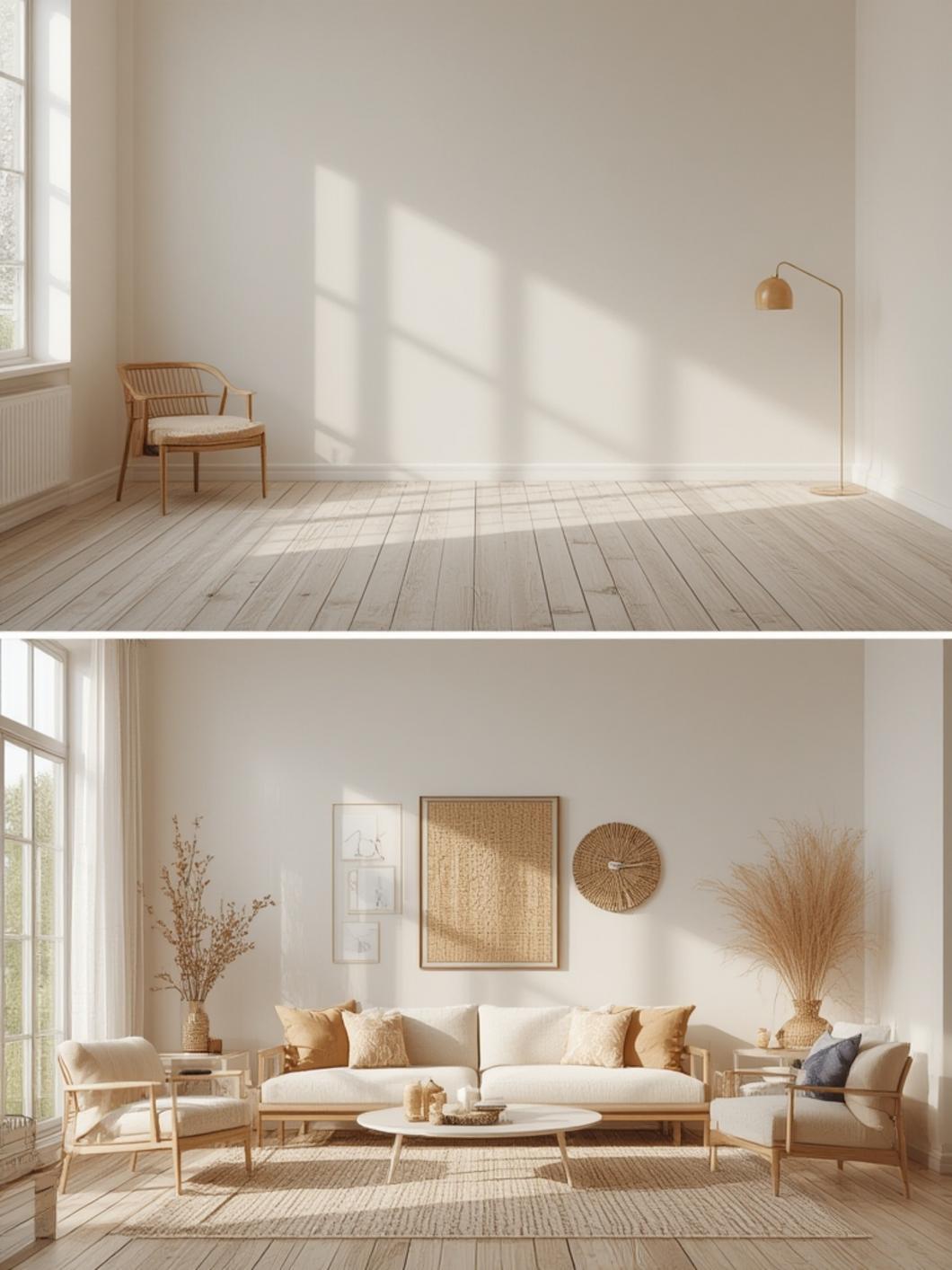
Follow these steps to curate a cohesive and elegant space:
1. Prep the Canvas: Clear the room completely. Deep clean floors and walls. If painting, choose sophisticated tones like warm greige, charcoal, or soft sage.
2. Establish the Layout: Place your largest piece (the sofa) first. Anchor it with the area rug, ensuring the front legs of all seating sit on the rug. Create a conversation circle within 8–10 feet.
3. Layer the Lighting: Combine three sources: ambient (chandelier/recessed), task (reading lamps), and accent (wall sconces or picture lights). Install dimmer switches for mood control.
4. Build the Foundation: Install window treatments. Hang curtains high and wide to make ceilings feel taller. Add the rug to define the zone.
5. Introduce Furniture: Arrange seating and tables. Leave negative space (breathing room) to avoid a cluttered look.
6. Add Texture & Softness: Layer throw blankets and pillows. Mix textures (e.g., smooth silk against nubby wool) to add depth.
7. Curate the Walls: Hang art at eye level (57–60 inches from the floor). Use mirrors to bounce light.
8. Style Surfaces: Decorate coffee tables and consoles in groups of three (odd numbers are visually pleasing). Include height (vase), nature (plant), and personal items (books).
Benefits & Advantages
Investing in a high-quality living room design offers more than just a pretty picture:
- Mood Enhancement: A harmonious environment reduces stress and promotes relaxation.
- Functionality: Proper zoning improves traffic flow and usability for different activities.
- Increased Home Value: A well-designed living area has a high ROI, appealing to future buyers.
- Personal Expression: It serves as a canvas for your style, making your house feel like a home.
Tips, Alternative Styles, or Styling Advice
- For Small Spaces: Use leggy furniture (raised on slender legs) to expose floor space, making the room feel larger. Opt for glass or acrylic pieces.
- Budget-Friendly: Hunt for vintage furniture and reupholster it. DIY wall art and shop end-of-season sales for textiles.
- Alternative Styles:
Modern Minimalist:* Stick to a monochromatic palette and clean lines.
Boho:* Add macramé, eclectic patterns, and abundant greenery.
Scandinavian:* Focus on light woods, functionality, and cozy hygge elements.
Common Decorating Mistakes to Avoid
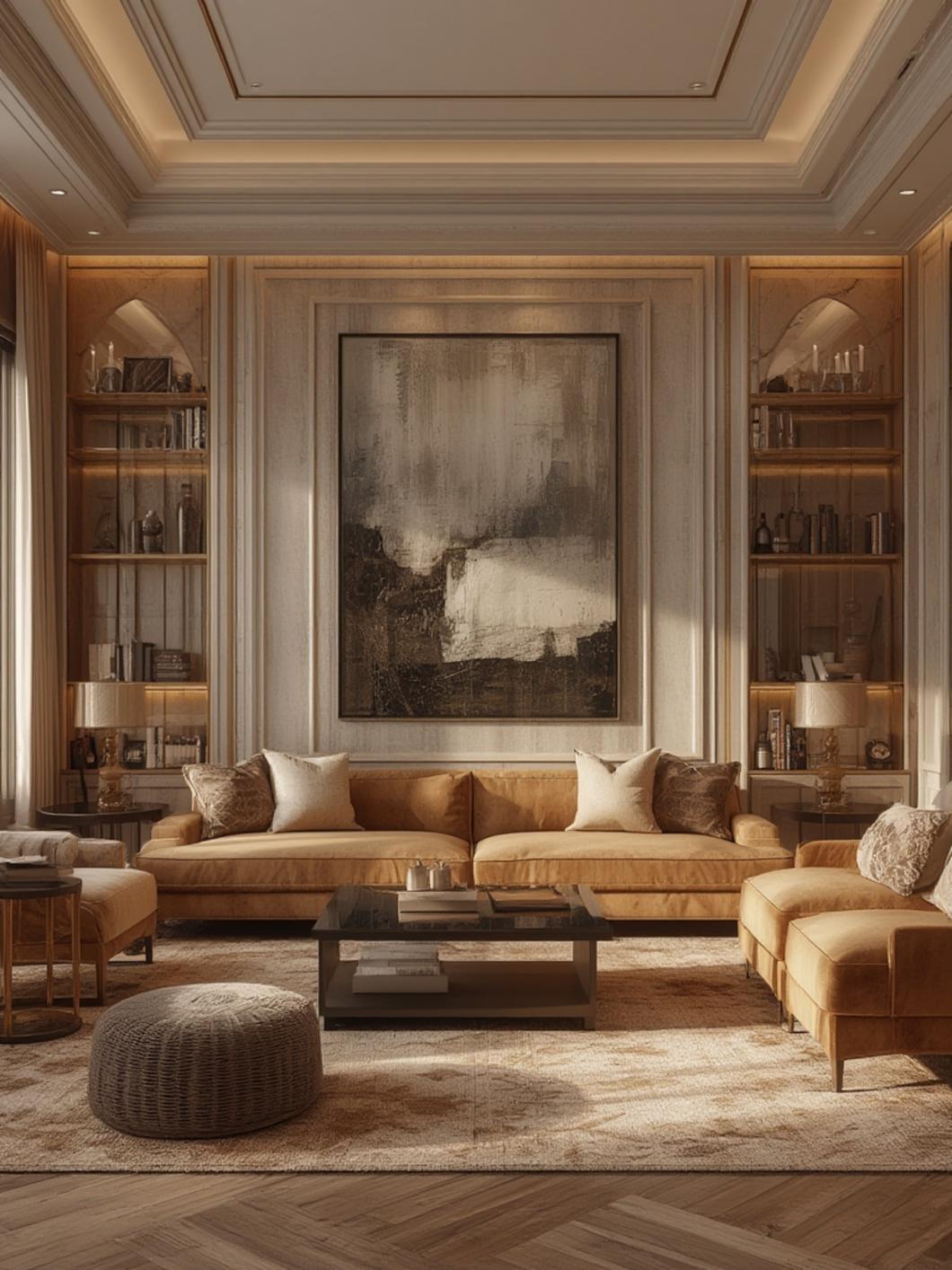
- Buying a “Matching Set”: Avoid purchasing a sofa, loveseat, and chairs all from the same set. It looks rigid. Mix styles for an eclectic, collected look.
- Ignoring Scale: A tiny coffee table next to a massive sofa looks awkward. Ensure pieces fit the room’s proportions.
- Poor Lighting: Relying solely on overhead lighting creates a flat, uninviting mood. Always add lamps at different heights.
- Wall Art Too High: Art hung near the ceiling disconnects it from the room. Keep it at eye level.
- Over-Accessorizing: Clutter kills luxury. Edit your decor down to the most meaningful and beautiful items.
Maintenance & Upkeep Tips
- Daily: Fluff pillows and fold throws. Keep surfaces free of clutter.
- Weekly: Vacuum rugs and upholstery using appropriate attachments. Dust surfaces, including baseboards and light fixtures.
- Monthly: Rotate rug placement to ensure even wear. Wash throw pillow covers and curtains according to fabric care labels.
- Seasonal: Swap heavy velvet drapes for lighter linens in summer; change throw blankets and floral arrangements to reflect the season.
Conclusion
Creating an inviting and sophisticated space requires vision, planning, and attention to detail. By following this guide, you can curate a space that balances luxury with livability. Whether you are starting from scratch or refreshing your current setup, the principles of proper lighting, texture layering, and strategic furniture layout are universal.
Don’t be afraid to start small; even minor updates can have a major impact. Try incorporating these luxury living room ideas into your home today, and watch your space transform. We’d love to see your results tag us in your photos or leave a comment below with your favorite tip!
FAQs
What is the best color palette for a luxury living room?
Neutral tones (creams, grays, taupes) serve as the best base, allowing for pops of color in accessories. Deep jewel tones like emerald green or navy blue add instant sophistication.
How can I achieve a luxury look on a budget?
Focus on lighting and textiles. Swap cheap builder-grade light fixtures for stylish lamps, and update throw pillows to high-quality fabrics. Thrift vintage furniture and refinish it.
Do I need a large space for a luxury design?
No. Luxury is about quality and cohesion, not square footage. Use mirrors to expand the visual space and choose multi-functional furniture to maximize a small footprint.
How do I choose the right rug size?
The rug should be large enough that all front legs of your sofa and chairs sit on it. This ties the furniture together and grounds the room design.
What are the most common mistakes in living room styling?
The top mistakes are mismatched lighting, ignoring scale, and cluttering surfaces. Ensure your lighting is layered and your furniture fits the room’s dimensions.